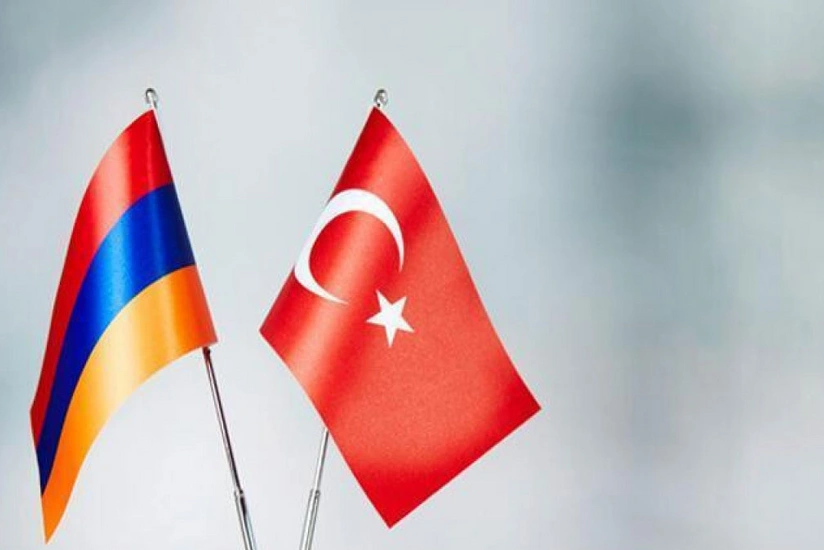
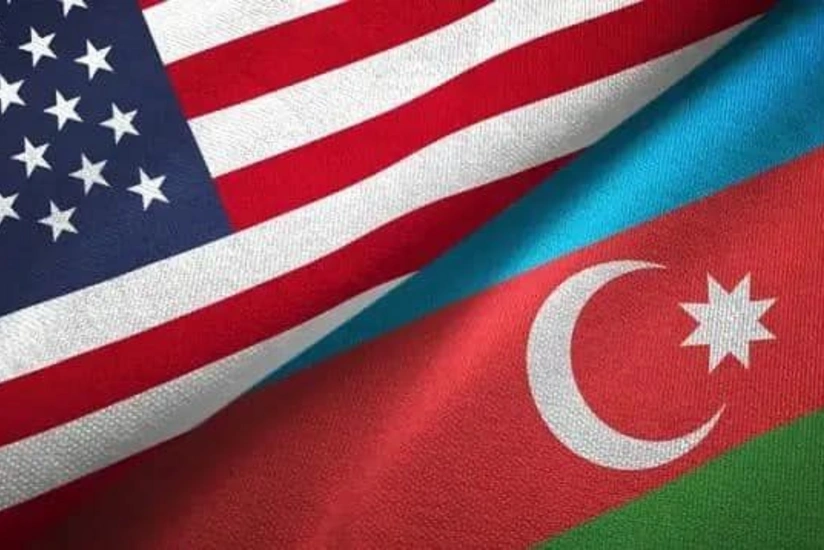
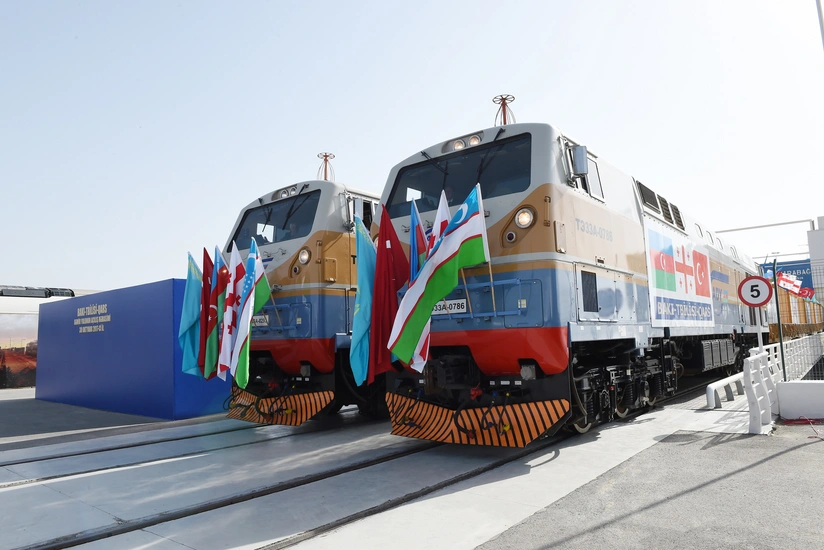
"The Trump Route" (officially — TRIPP, Trump Route for International Peace and Prosperity) is a strategic multimodal transport corridor approximately 43 kilometers (27 miles) long, passing through the territory of Armenia's Syunik (Zangezur) province. The project is designed to provide seamless land connectivity between the mainland of Azerbaijan and its exclave, the Nakhchivan Autonomous Republic, with further access to Turkey.
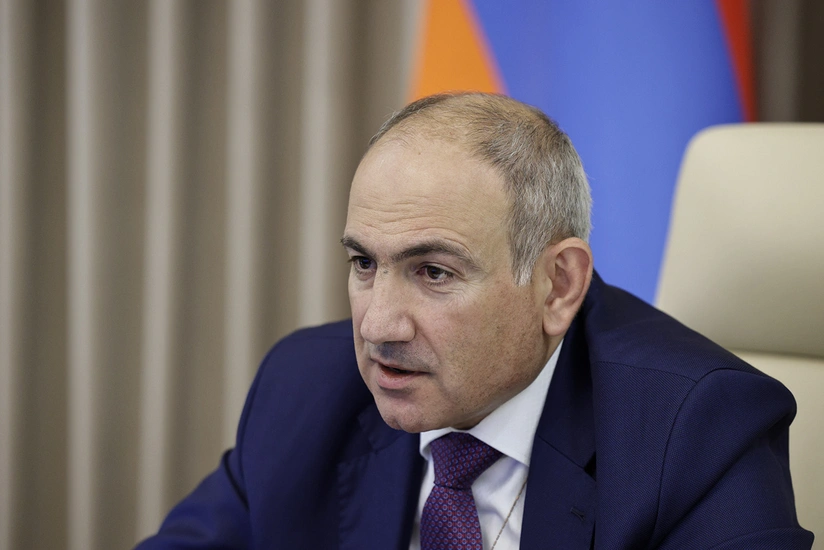
The creation of this route became a key element of the historic Washington Declaration, signed on August 8, 2025, by the leaders of Azerbaijan (Ilham Aliyev) and Armenia (Nikol Pashinyan) with the direct mediation of US President Donald Trump.
For a long time, the concept of a land connection through southern Armenia appeared in diplomacy as the Zangezur Corridor. This project was actively promoted by Baku following the Second Karabakh War, but faced Yerevan's concerns regarding the legal regime and sovereignty over the route.
American diplomacy, led by the Trump administration, proposed a creative compromise solution dubbed TRIPP ("Peace through construction").
Key infrastructure parameters:
Sovereignty: Armenia retains full sovereignty and administrative jurisdiction over the territory of the route.
Management and Investment: To implement the project, the TRIPP Development Company (TDC) was established. This is a joint venture in which a 74% stake belongs to an American consortium, and 26% to the Armenian government. The United States received a mandate to develop and manage the corridor for an initial period of 49 years (with the possibility of extension).
Infrastructure: The project involves laying modern highways and railways, fiber-optic communication lines, as well as the potential construction of energy bridges and pipelines for the export of hydrocarbons and critical minerals.
On the territory of Azerbaijan, the route will be seamlessly integrated with the Horadiz-Aghband railway currently under construction and the recovering infrastructure of Nakhchivan, the large-scale modernization of which began in December 2025. In January 2026, US Secretary of State Marco Rubio and the Armenian Ministry of Foreign Affairs approved a detailed framework program for the project's implementation.
The implementation of TRIPP radically changes the logistics map of Eurasia, bringing the region out of years of isolation and dependence on traditional routes.
Strengthening the Middle Corridor: TRIPP becomes the crucial missing link of the Trans-Caspian route, directly connecting Central Asia and the Caspian basin with Turkey and the markets of the European Union. Freight transit will become significantly faster and cheaper.
Logistics Diversification: The route allows for the uninterrupted transportation of goods bypassing the territories of Russia and Iran, which is especially important amidst global sanctions pressure.
American Presence: The agreement unprecedentedly strengthens US influence in the South Caucasus. In Washington, TRIPP is considered one of the main foreign policy achievements of Donald Trump's second term.
In the spring of 2026, the geopolitical situation surrounding the project escalated sharply. The large-scale military operation by the US-Israeli coalition against Iran's nuclear facilities (including strikes on the Taleghan complex) and the subsequent regime change in Tehran created serious challenges for regional security.
Iran had historically opposed extraterritorial corridors along its northern border, fearing the loss of its land connection to Armenia, and sharply condemned American participation in TRIPP as an "encroachment on the region." In March 2026, Armenian Prime Minister Nikol Pashinyan expressed concern that due to the war in neighboring Iran, the pace of practical implementation of the "Trump Route" might temporarily slow down.
Nevertheless, the strategic course of Baku and Washington remains unchanged. Azerbaijani President Ilham Aliyev recently confirmed that work on expanding the Middle Corridor through Armenian territory is actively continuing. Furthermore, the recent visit of US Vice President J.D. Vance to the region sent a clear signal: the White House views TRIPP as a guarantee of long-term peace and prosperity in the South Caucasus and does not intend to scale back this historic megaproject.

 Baku 29° C