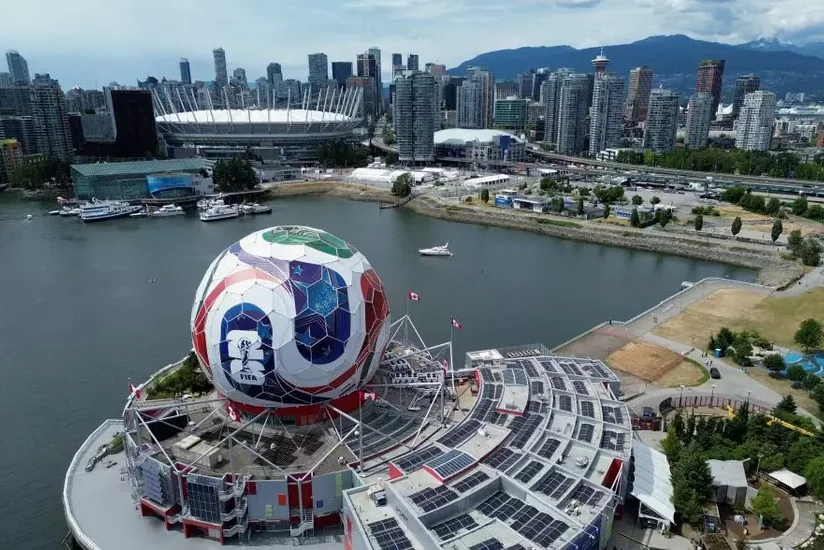
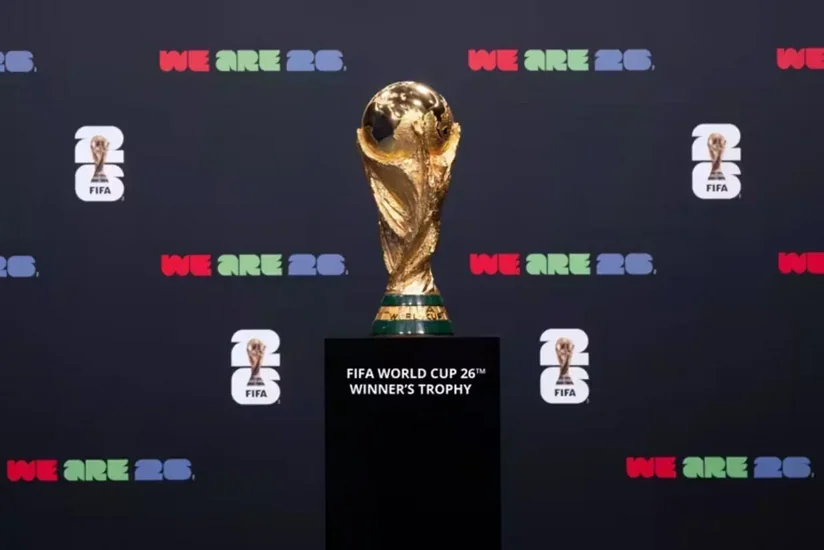
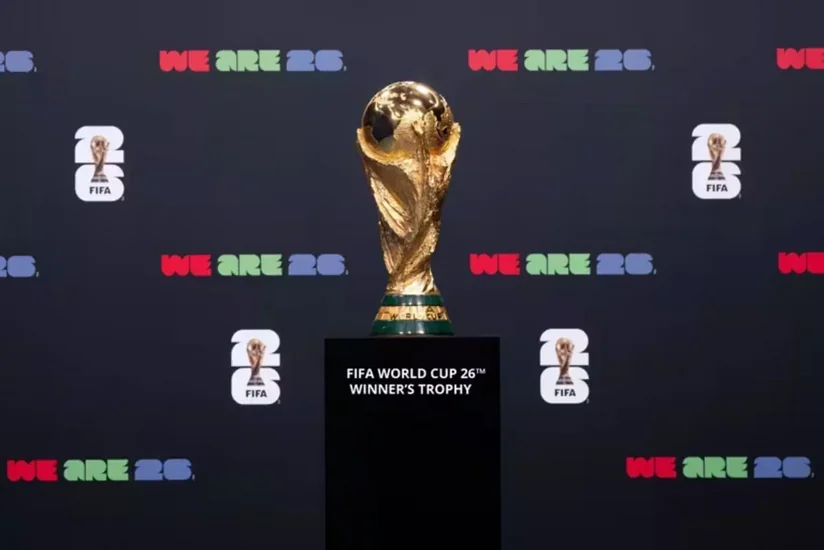
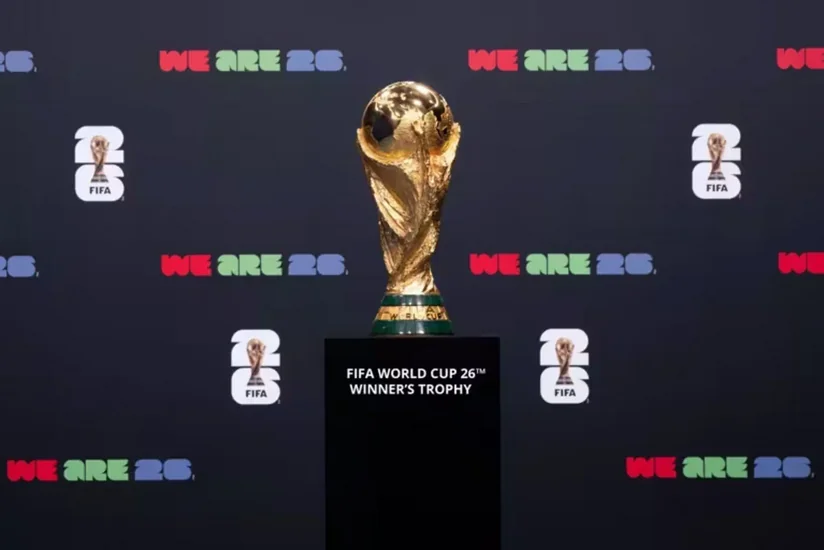
The 2026 FIFA World Cup (FIFA World Cup 26) is the 23rd tournament held under the auspices of FIFA, scheduled to take place from June 11 to July 19, 2026. As of this spring, world football stands on the verge of the most massive and commercially ambitious sporting event in history. For the first time, three nations (the USA, Canada, and Mexico) are hosting the tournament simultaneously, with match geography spanning 16 cities across four time zones.
The defining feature of the upcoming mundial is the radical expansion of the number of participants from the traditional 32 to 48 national teams. This decision by FIFA President Gianni Infantino, made several years ago, is taking real shape in 2026, opening the tournament doors to debutants from Asia, Africa, and CONCACAF.
Tournament Element Classic Format (until 2022) New Format (2026 World Cup) Number of Teams 32 48 Group Stage 8 groups of 4 teams 12 groups of 4 teams Knockout Stage Qualification Top 2 from each group (Round of 16) Top 2 + 8 best third-placed teams Knockout Stage Starts from the Round of 16 (16 teams) Starts from the Round of 32 (32 teams) Total Matches 64 104The expanded format means that the winning team (the final will be held on July 19 at MetLife Stadium in New Jersey) will have to play 8 matches instead of the customary 7 to lift the World Cup trophy.
For FIFA, the North American tournament is, first and foremost, a financial triumph. The organization projects record revenues exceeding $11 billion for the four-year cycle, the lion's share of which will be generated from broadcasting rights, sponsorship contracts, and the sale of VIP suites at massive NFL stadiums in the US.
However, Report.az analysts highlight several significant challenges the organizers face just months before the opening whistle:
Cross-Border Logistics: Moving millions of fans between three countries requires an unprecedented coordination of visa regimes. Despite promises to create simplified corridors (similar to the Fan ID system), crossing the land borders between the US and Mexico under the strict security measures of 2026 remains a risk factor for tournament logistics.
The Climate Factor: Matches in the central and southern US states, as well as in Mexico (Monterrey, Guadalajara), will take place under conditions of extreme summer heat. This has already forced FIFA to adjust the kickoff times for many games in favor of evening slots.
Security: Amidst a tense global geopolitical environment, the US is allocating unprecedented budgets for the anti-terrorist protection of stadiums and fan zones, deploying National Guard units and advanced cyber defense systems.
Although the Azerbaijan national team was unable to make it through the rigorous European qualifying cycle and will not participate in the 2026 World Cup, domestic interest in the tournament remains colossal.
For the Azerbaijani sports and media market, the mundial generates significant activity:
Television Rights and Advertising: Local broadcasters are preparing for a marathon of transmissions. Due to the time difference (North America and Baku), most matches will be broadcast late at night and into the early morning hours, which shifts prime time and alters the structure of television ad placements.
Supporting Fraternal Nations: In the absence of their own national team, the sympathies of Azerbaijani fans traditionally center around the performance of the Turkish national team (if qualified), as well as teams demonstrating spectacular, attacking football.
Sports Tourism: Despite the long flight distance and visa complications, there is a steady interest from the affluent segment of Azerbaijani fans in purchasing tour packages for the playoff matches in the US.
The 2026 World Cup will forever change the landscape of international football. The transformation from an elite tournament for a select 32 into a global festival for 48 nations is FIFA's step toward maximum commercialization. The coming months will reveal how effectively the North American infrastructure can handle the influx of the global football community

 Baku 25° C