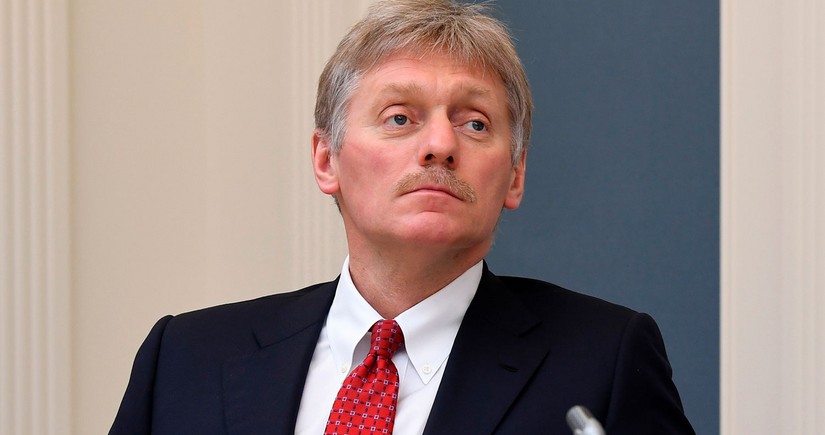
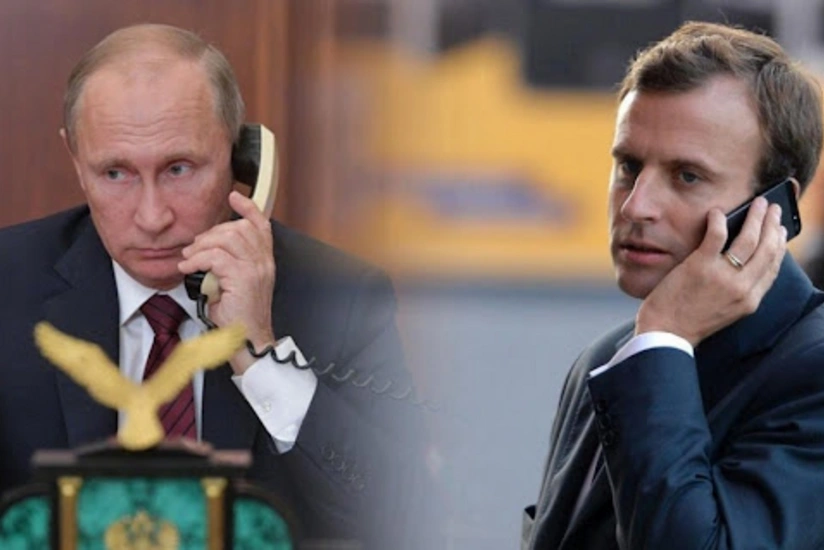
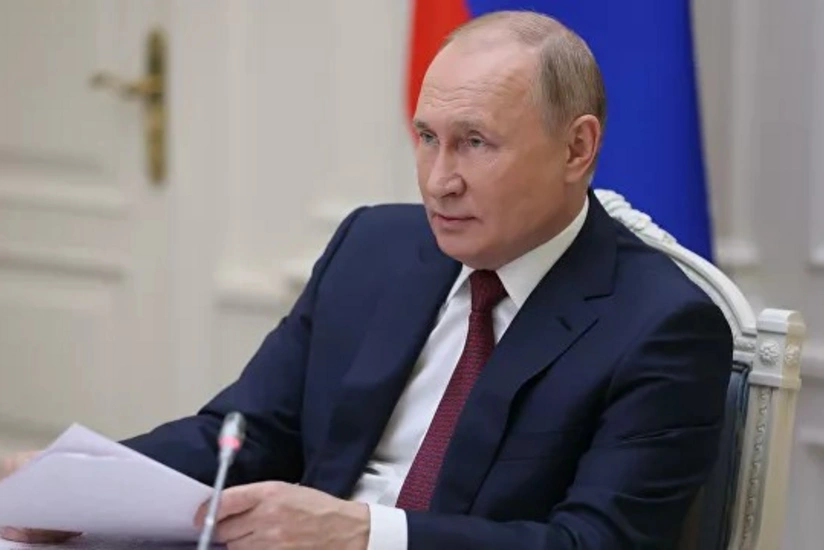
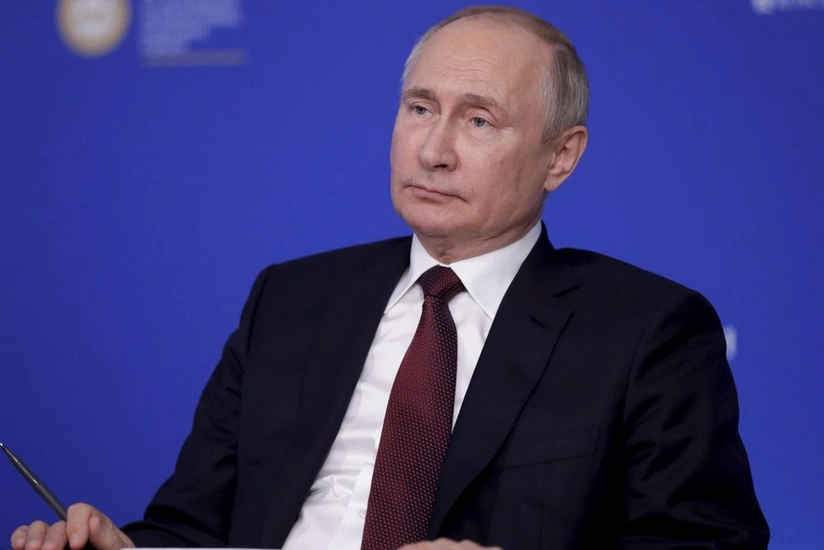
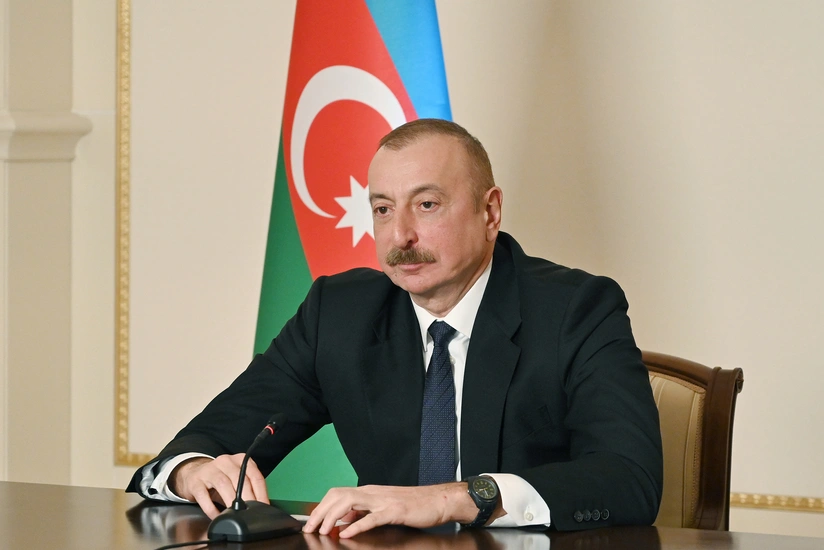
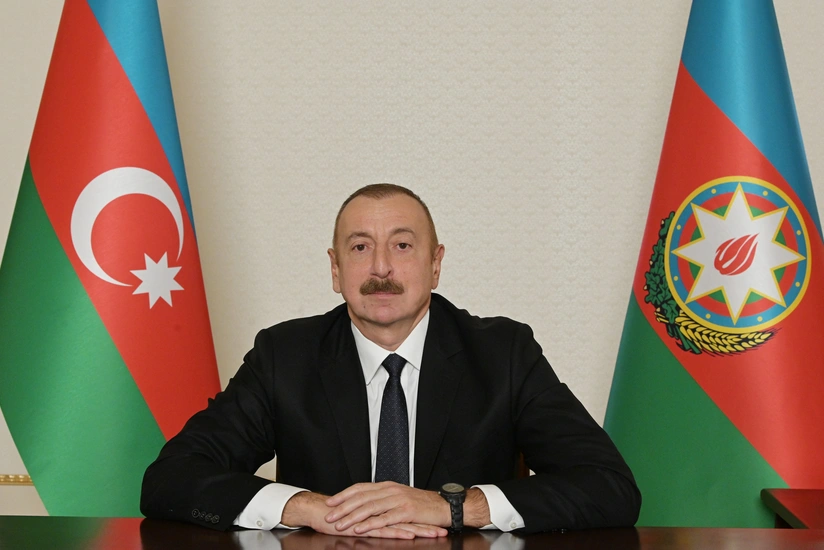
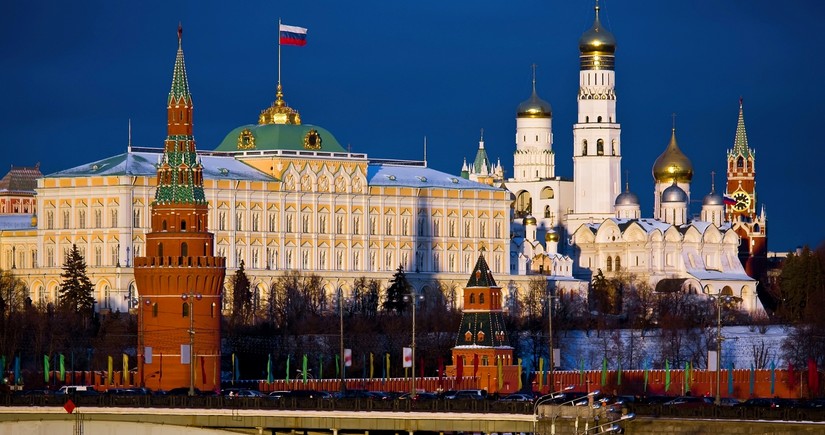
Vladimir Vladimirovich Putin (born October 7, 1952, Leningrad, USSR) is a Russian state and political figure, the incumbent President of the Russian Federation, and the Supreme Commander-in-Chief of the Russian Armed Forces. He is one of the most influential and discussed figures in modern global politics. His long tenure in power has had a defining impact on shaping Russia's modern history and transforming the international relations system.
Vladimir Putin was born into a working-class family in Leningrad (now St. Petersburg). In 1975, he graduated from the Law Faculty of the A.A. Zhdanov Leningrad State University (LSU). During his studies, he joined the Communist Party of the Soviet Union (CPSU).
Upon graduation, he was assigned to work in the Committee for State Security (KGB) of the USSR. From 1985 to 1990, he served in territorial intelligence in Dresden (GDR), working undercover as the director of the USSR-GDR Friendship House. In 1990, holding the rank of lieutenant colonel, he returned to Leningrad.
Vladimir Putin's political career began in the 1990s at the St. Petersburg Mayor's Office, where he worked under the leadership of Anatoly Sobchak, serving as Chairman of the Committee for External Relations and later as First Deputy Mayor. During this period, he oversaw the attraction of foreign investment and international cooperation.
In 1996, following Sobchak's electoral defeat, Putin moved to Moscow, where his rapid career advancement in federal government structures began:
1996–1997: Deputy Chief of the Presidential Property Management Directorate.
1998–1999: Director of the Federal Security Service (FSB) of the Russian Federation, concurrently serving as Secretary of the Security Council.
August 1999: Appointed Chairman of the Government of the Russian Federation (Prime Minister).
On December 31, 1999, following the voluntary resignation of Boris Yeltsin, Vladimir Putin became the Acting President of the Russian Federation.
As head of state, Putin initiated large-scale reforms aimed at centralizing power, strengthening the vertical of administration, and stabilizing the economy after the crises of the 1990s.
His first two presidential terms (2000–2008) were characterized by dynamic GDP growth, driven by high global hydrocarbon prices and the implementation of tax, land, and pension reforms. In subsequent years (after his return to the presidency in 2012), the economic course shifted towards import substitution, the creation of sovereign financial infrastructure, and defense against external sanctions pressure.
In 2020, on the president's initiative, sweeping amendments to the Constitution of the Russian Federation were adopted. These amendments not only enshrined new social guarantees and the priority of national law over international law but also allowed Vladimir Putin to run for new presidential terms.
Vladimir Putin's foreign policy doctrine has undergone significant evolution. From attempts to build partnership relations with the West in the early 2000s, Russia transitioned to the staunch defense of its national interests.
A significant turning point was Putin's Munich speech in 2007, where he harshly criticized the unipolar world model and the eastward expansion of NATO. In the modern geopolitical reality, the Kremlin's strategy focuses on:
Countering Western dominance and protecting geopolitical sovereignty.
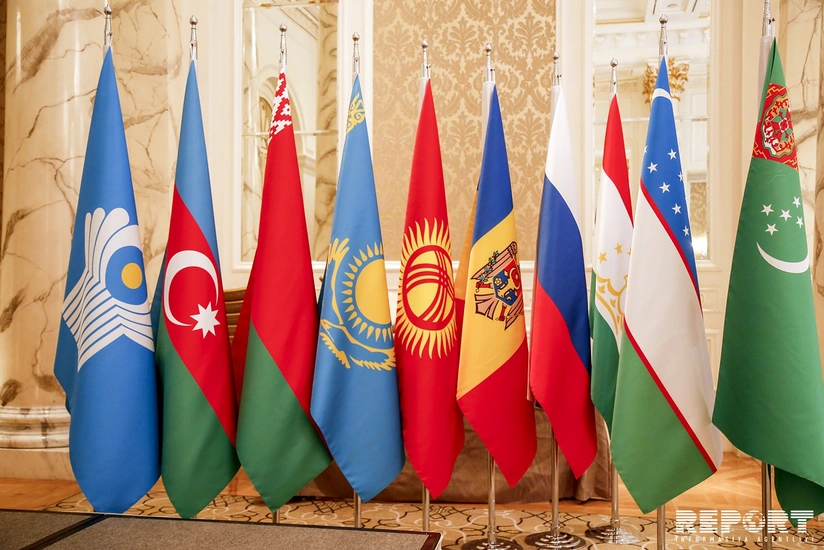
Strengthening integration processes in the Eurasian space (EAEU, CSTO, CIS).
Pivot to the East and South: expanding strategic partnerships with China, India, and countries in the Middle East and Africa within the framework of BRICS and the SCO.
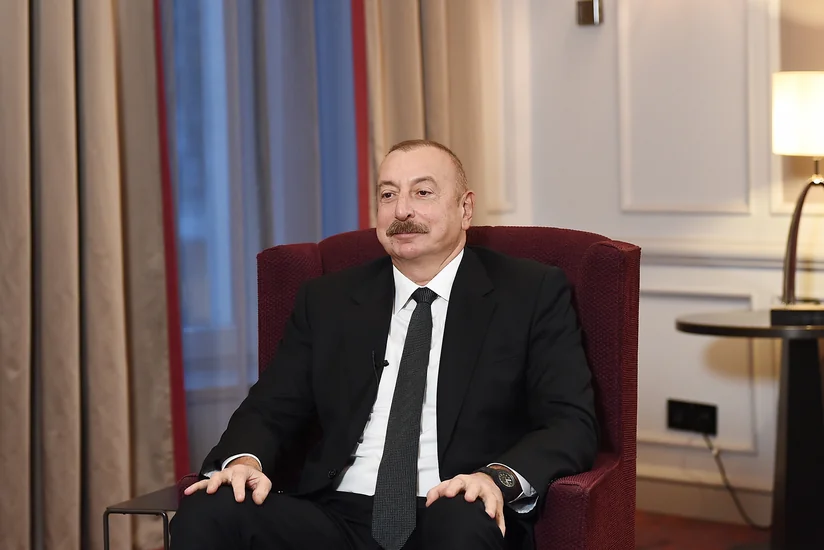
For the audience of Azerbaijan and the CIS countries, the Kremlin's regional policy is of particular importance. Relations between the Russian Federation and the Republic of Azerbaijan under Vladimir Putin and Ilham Aliyev have reached the level of allied interaction.
The key milestones of bilateral cooperation are:
Declaration on Allied Interaction: Signed on February 22, 2022, in Moscow, this document consolidated the strategic partnership between the two countries in the political, economic, and military spheres.
Economic Partnership: Russia traditionally ranks among Azerbaijan's main trading partners. Trade turnover between the countries is steadily growing, with large-scale joint projects being implemented in energy, mechanical engineering, and pharmaceuticals.
INSTC "North-South": Vladimir Putin has repeatedly emphasized the strategic importance of the International North-South Transport Corridor, in which Azerbaijan plays the role of a key land transit hub connecting the Russian Federation with Iran and India.
Regional Security: Moscow acts as one of the main moderators of the peace process in the South Caucasus, supporting steps to normalize relations between Azerbaijan and Armenia based on mutual recognition of territorial integrity.
Vladimir Putin's political agenda continues to exert a colossal impact on the global economy and security architecture, remaining a focal point for leading analytical centers and world media.

 Baku 23° C