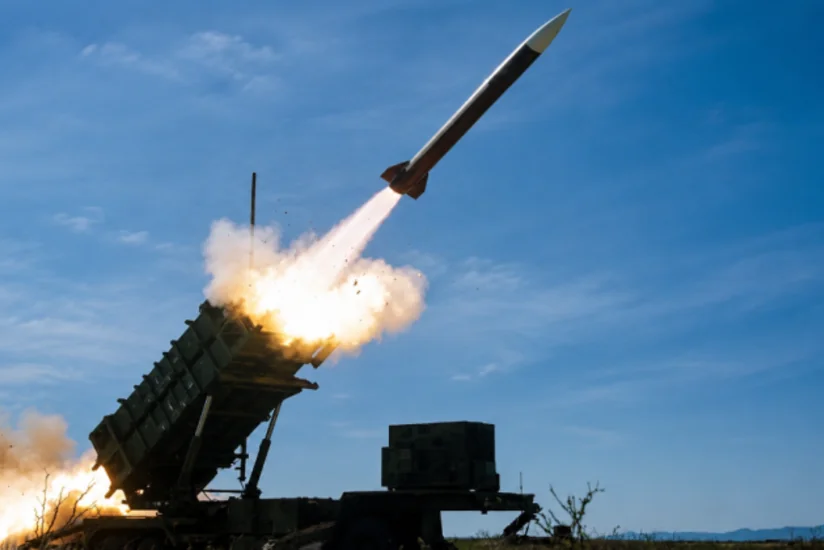
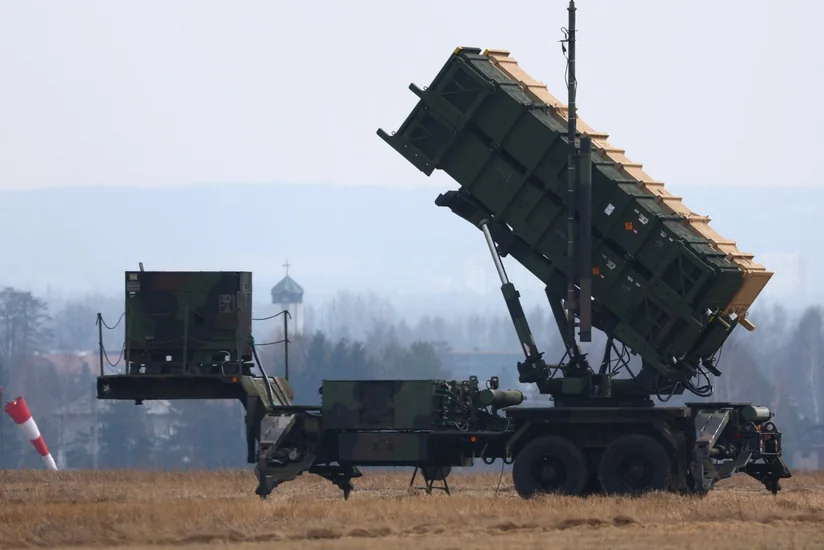
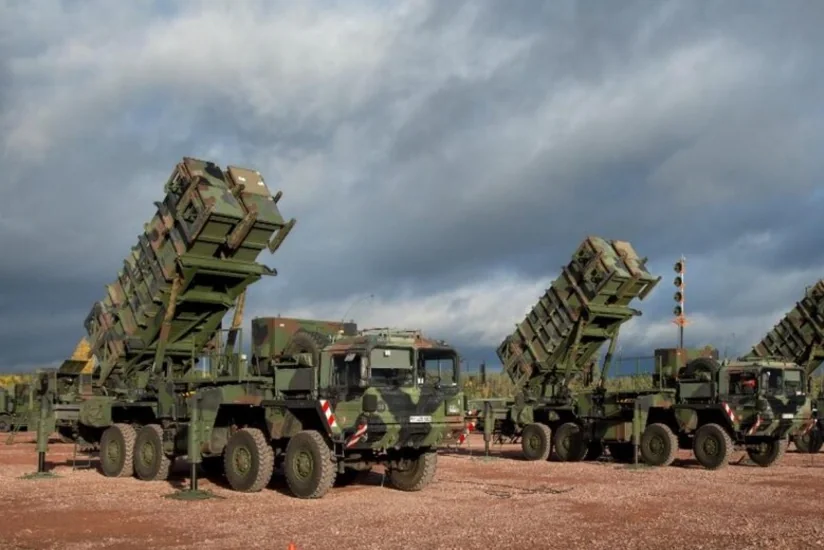
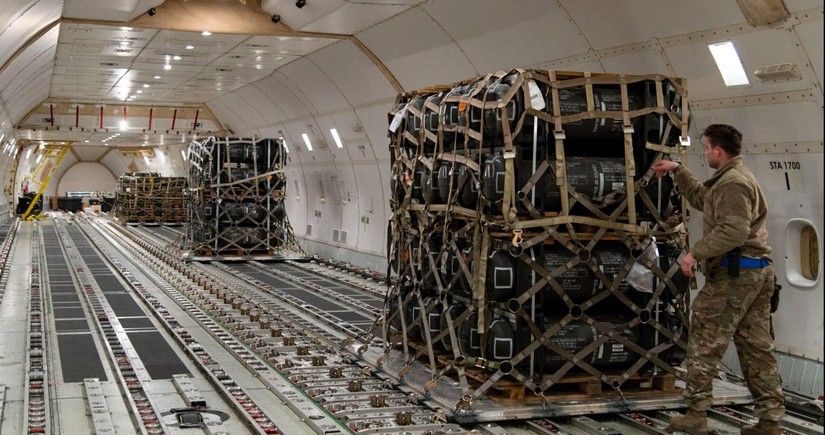
The MIM-104 Patriot is an American all-weather, long-range surface-to-air missile (SAM) system developed by Raytheon with the participation of Lockheed Martin. Originally designed to intercept aerodynamic targets (aircraft and cruise missiles), by the spring of 2026, the complex has evolved into one of the world's most reliable anti-ballistic missile (ABM) systems, capable of destroying tactical ballistic missiles using "hit-to-kill" kinetic interception technology.
Amidst global instability and the March escalation in the Middle East, Patriot systems have become more than just weapons; they are a key strategic asset determining the survivability of military and civilian infrastructure for entire nations.
The events of February and March 2026 served as the most massive stress test for American air defense systems in their entire history. In response to the Israeli-American Operation "Roaring Lion," Iran launched a massive barrage of over 1,200 ballistic and cruise missiles.
Within this architecture, Patriot SAMs (PAC-3 modifications) deployed at US military bases in the Persian Gulf (Qatar, UAE, Bahrain) and integrated into Israel's multi-layered defense played a critical role:
Interception of Ballistic Targets: PAC-3 MSE interceptor missiles demonstrated high effectiveness against Iranian medium-range missiles, destroying them in the terminal phase of their trajectory (during their descent toward the target).
Network-Centric Warfare: The most crucial factor for success in 2026 was the use of the IBCS (Integrated Battle Command System), which allowed Patriot batteries to receive real-time target designations from satellite constellations and radars on Aegis-equipped ships.
The modern Patriot has little in common with the systems used during Operation Desert Storm in 1991. Today, the foundation of the complex is the PAC-3 MSE (Missile Segment Enhancement) missile and modernized radars.
Characteristic PAC-3 MSE Specifications Principle of Destruction Kinetic impact (Hit-to-kill) — direct collision with the target without the use of an explosive warhead. Maximum Interception Range Up to 120 km (aerodynamic targets), up to 35–40 km (ballistic missiles). Maximum Engagement Altitude Up to 30 km. Radar Station AN/MPQ-65 (and the latest LTAMDS radars with 360-degree coverage). Capable of simultaneously tracking up to 100 targets. Launcher Ammunition Capacity Up to 12 PAC-3 MSE missiles per launcher (compared to 4 missiles in the older PAC-2 modifications).The sharp spike in demand for reliable missile defense has led to an unprecedented shortage of Patriot systems on the global market. Lockheed Martin factories in the US have shifted to a 24/7 operational schedule, but the waiting list for clients (European countries, Taiwan, Middle Eastern states) stretches years into the future.
For Azerbaijan and the countries of the South Caucasus, the experience of utilizing the Patriot in 2026 holds significant analytical value. Against the backdrop of Russian S-300 and S-400 systems demonstrating vulnerability to modern electronic warfare (EW) and stealth aviation during the strikes on Iran, Report.az military experts confirm the absolute correctness of Baku's strategy. Azerbaijan's choice to integrate advanced Israeli air defense systems (such as the Barak-8) and diversify its suppliers of defense technologies has fully justified itself in the conditions of the new technological arms race.
The 2026-model Patriot SAM is the pinnacle of engineering in the field of air defense. However, the exorbitant cost per shot (approximately 4 to 5 million US dollars per PAC-3 MSE missile) forces military strategists to seek new, cheaper methods for intercepting mass threats (such as drone swarms), reserving the Patriot exclusively for defense against high-value ballistic missiles.

 Baku 32° C