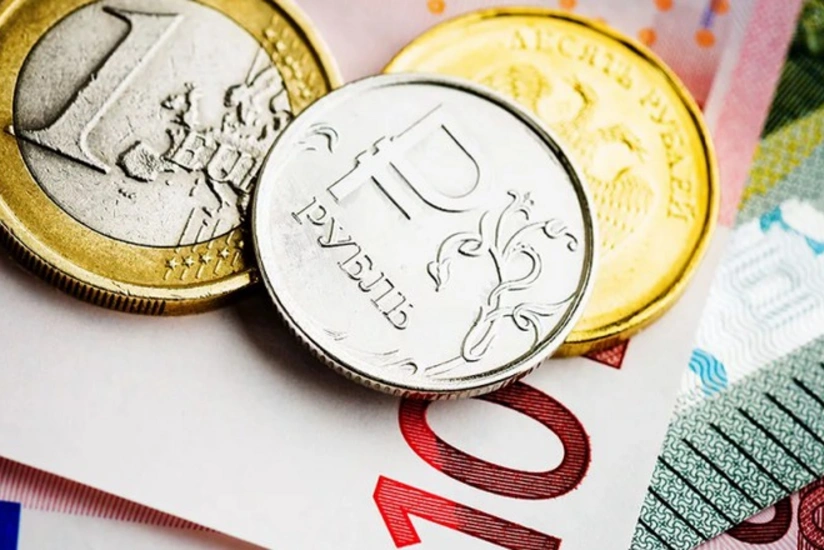
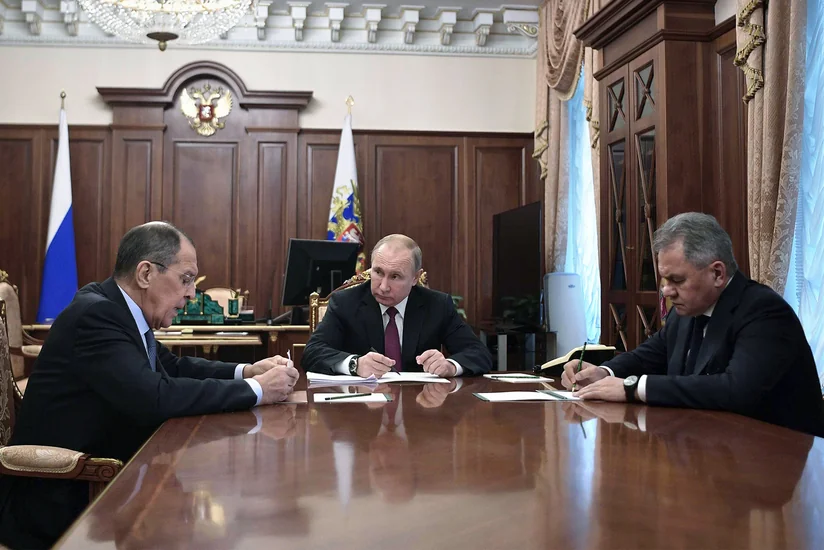
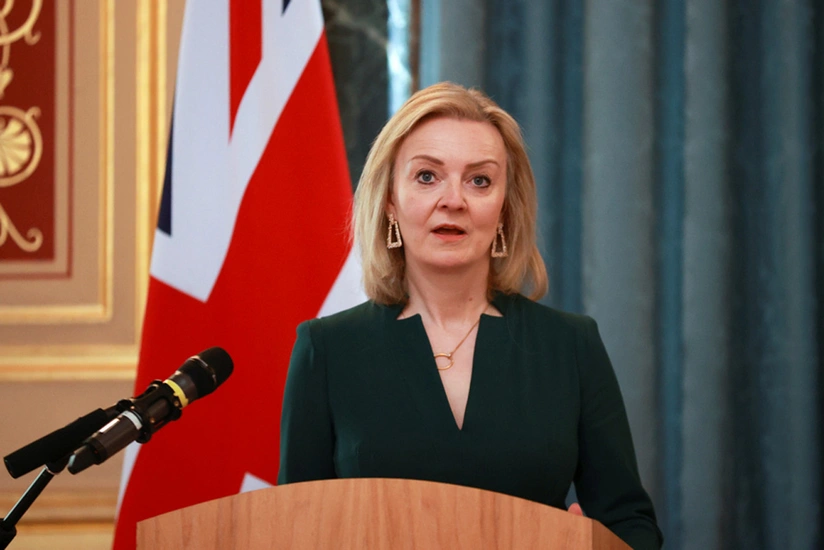
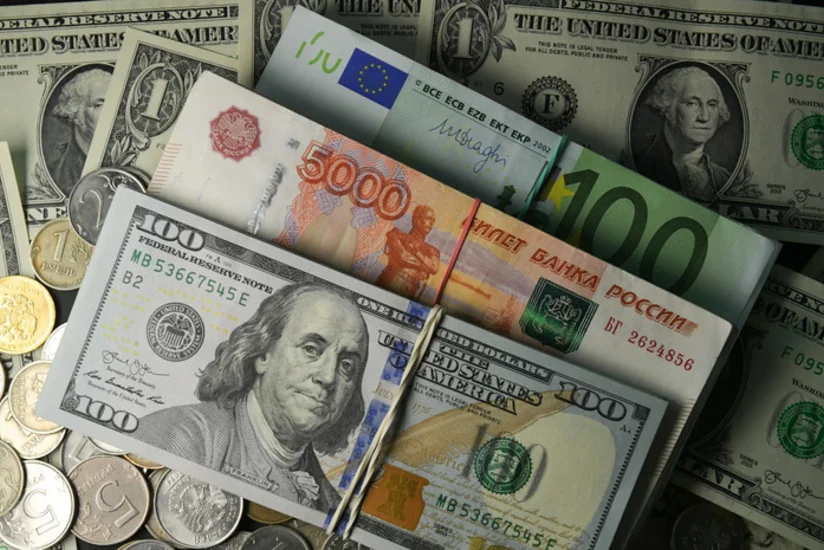
Anti-Russian sanctions encompass a massive complex of political, economic, financial, and technological restrictions imposed by a coalition of states (including the US, the European Union, the UK, Japan, and others) against the Russian Federation.
While the first packages of restrictions were activated back in 2014, an unprecedented sanctions regime in world history was deployed in 2022. By the spring of 2026, Russia remains the most heavily sanctioned country in the world, subjected to a record number of personal and sectoral restrictions that have fundamentally altered the architecture of global trade and logistics.
The West's sanctions policy is implemented through the sequential adoption of restriction "packages" that cover virtually all critical sectors of the Russian economy.
The first and most powerful blow was the isolation of the Russian financial system from international markets:
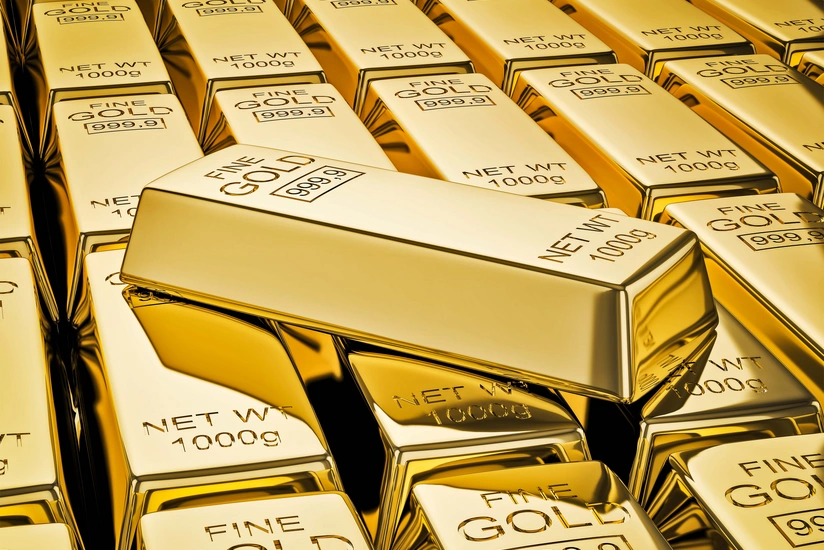
Freezing of Reserves: Approximately $300 billion in gold and foreign exchange reserves belonging to the Central Bank of the Russian Federation, held abroad, were frozen. By 2026, Western countries are actively using the windfalls from these assets to provide financial support to affected regions in Eastern Europe.
SWIFT Disconnection: Major Russian banks were disconnected from the international financial messaging system, critically complicating cross-border transfers.
Exit of Payment Systems: International giants Visa and Mastercard left the Russian market, making it impossible to use Russian-issued cards abroad.
Energy has traditionally been the primary source of Russia's export revenues. Sanctions in this sphere include:
The EU's refusal to import Russian crude oil and petroleum products by sea.
The introduction of a "Price Cap" mechanism by G7 countries, which prohibits Western companies from insuring and transporting Russian oil if it is sold above an established limit.
A radical reduction in pipeline gas supplies to Europe, forcing Russia to redirect its gas flows to the domestic market and Asian countries.
The West imposed a strict embargo on the export of high-tech products to the Russian Federation. The ban affected the supply of microchips, semiconductors, software, as well as parts for civil aviation. The fleets of Russian airlines, consisting primarily of Boeing and Airbus aircraft, were deprived of official maintenance and technical support.
Contrary to initial forecasts of a rapid collapse, the Russian economy demonstrated a certain margin of resilience by transitioning to a mobilization economy model.
The main instrument of adaptation became the legalization of parallel imports—the importation of original foreign goods without the consent of the copyright holders through third countries. Furthermore, a massive "pivot to the East" occurred. China and India became Moscow's primary trading partners, purchasing Russian energy resources (albeit at a discount) and supplying cars, electronics, and industrial equipment in return.
Nevertheless, in 2026, the Russian economy faces severe systemic challenges: a shortage of qualified personnel, inflation, a technological lag in complex industries, and the looming threat of secondary sanctions. Due to this threat, banks in friendly nations (such as China, Turkey, and the UAE) are increasingly refusing to process payments for Russian counterparties.
For Azerbaijan and the CIS countries, the global sanctions war has created both new risks and unprecedented economic opportunities.
Strict compliance requirements and the threat of secondary sanctions have forced Azerbaijan's banking sector to thoroughly vet any transactions related to Russian businesses. Baku strictly adheres to the norms of international financial law, preventing its jurisdiction from being used to bypass sanctions.
At the same time, the closure of traditional transit routes through Russian territory has led to an explosive growth in the significance of the Trans-Caspian International Transport Route (Middle Corridor). Azerbaijan has solidified its position as an irreplaceable logistical hub connecting the markets of China and Central Asia with Europe, completely bypassing sanctioned territories. By 2026, the Baku International Sea Trade Port and the Baku-Tbilisi-Kars railway are operating at peak capacity, bringing substantial transit revenues into the country

 Baku 27° C