 Baku 25° C
Hungary and Slovakia block 20th EU sanctions package against Russia
- 23 February, 2026
- 19:32
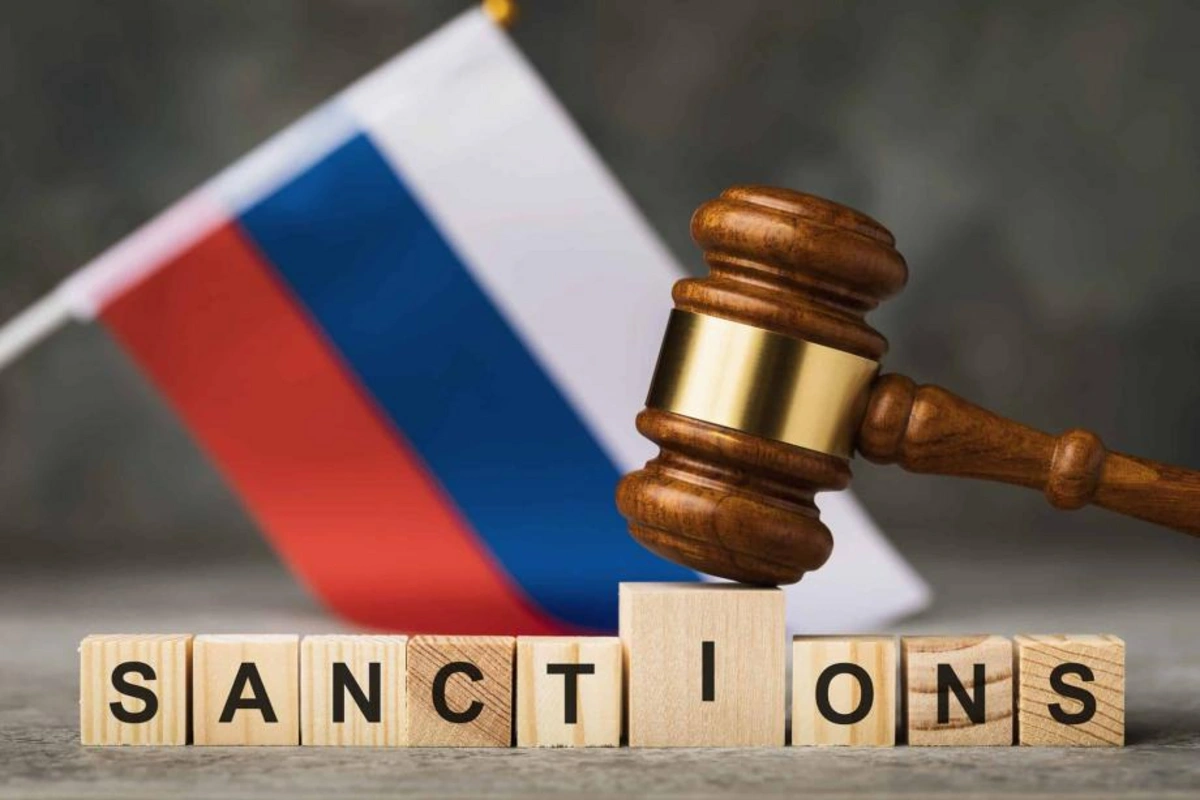
Hungary and Slovakia have vetoed the adoption of the 20th sanctions package against Russia, which EU member states had planned to approve to mark the fourth anniversary of the Russian-Ukrainian war.
According to the European bureau of Report, the issue was one of the key items on the agenda of today's meeting of the EU Foreign Affairs Council.
Bulgaria's Foreign Minister Nadezhda Nevska said Hungary's representative presented the arguments underlying the veto.
"The discussion of the new sanctions package was particularly significant in the context of the fourth anniversary of the start of Russian aggression against Ukraine. We support it, but at this stage it has been blocked by Slovakia and Hungary. We will see how events unfold," she told reporters after the meeting.
The minister noted that Russia's attempts to maintain its presence in Ukraine by destroying energy infrastructure are, in effect, acts of genocide against the civilian population. She added that for the EU, the war in Ukraine is not only a matter of solidarity and humanitarian concern but also a question of European security, requiring the pursuit of a durable and sustainable peace.
Slovenia's Minister of Foreign and European Affairs Tanja Fajon described discussions around the 20th sanctions package as "quite heated."
"Each side presented its position, including Hungary, Slovakia, and Ukraine. As I understand it, negotiations are ongoing with both countries that issued vetoes to reach an agreement. I also urge that an accord be reached as soon as possible," Fajon said.
She added that an increasing number of EU countries see the need to resume negotiations with Russia, but only after agreeing on a unified approach-determining with whom to negotiate, about what, and who will represent the Union.
"First and foremost, Europe must have a clear position when it expresses a desire to be at the negotiating table. If you want to be at the table, there are two parties present-the aggressor and the victim. Europe"s participation means it must engage with both sides," Fajon emphasized.
Author