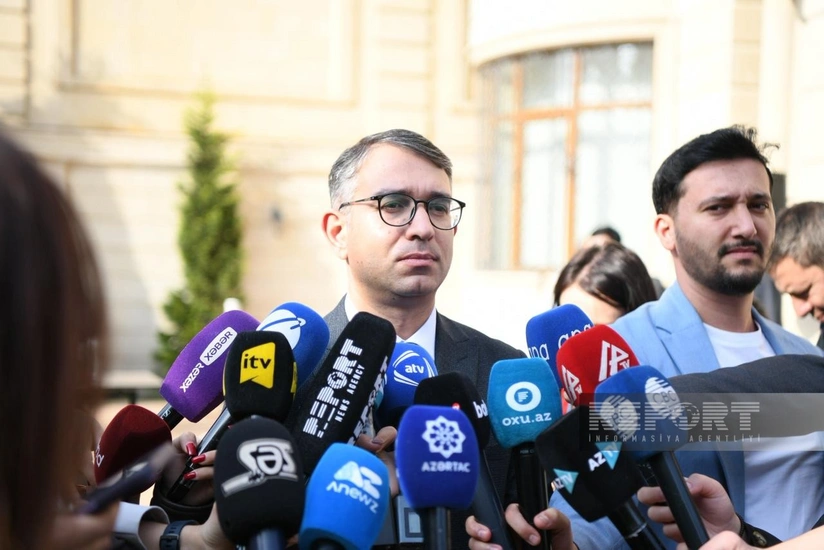
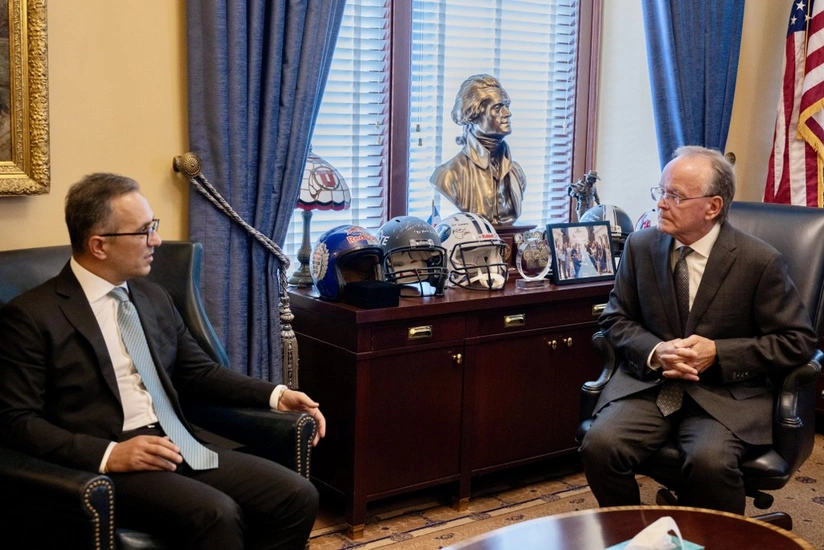
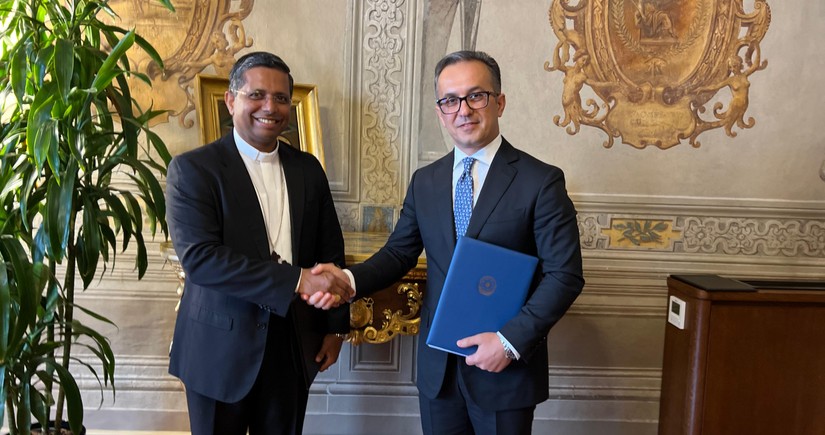
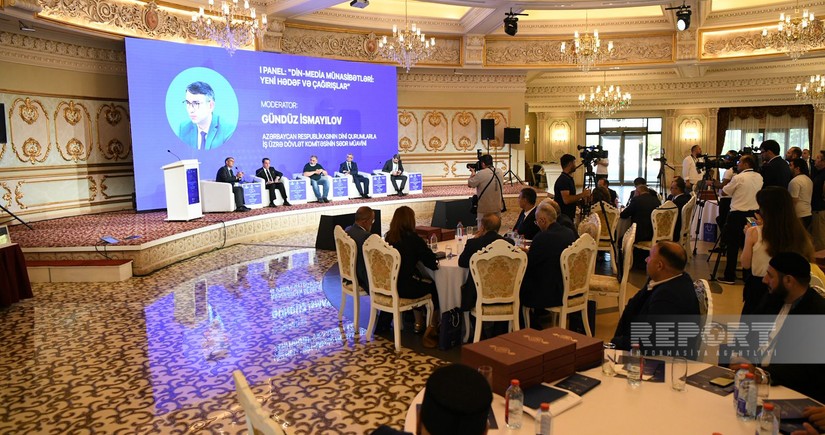
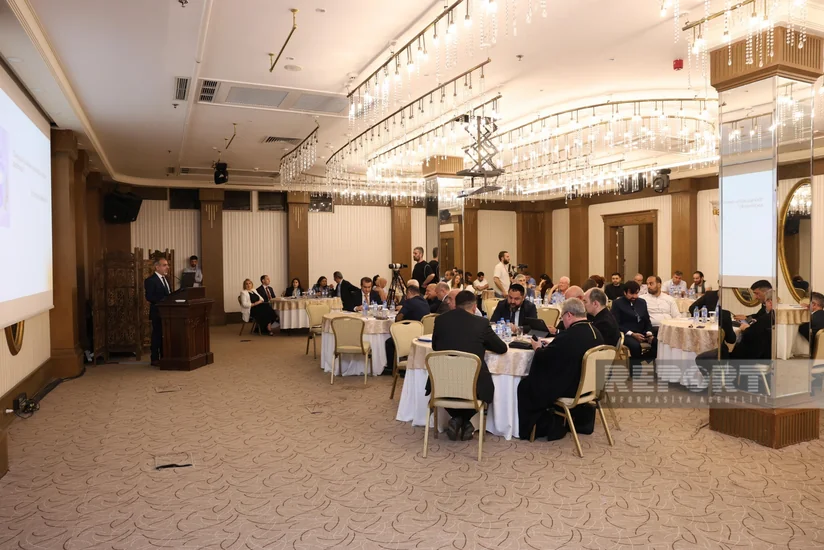
The State Committee on Affairs with Religious Associations of the Republic of Azerbaijan (SCARA) is the central executive body responsible for ensuring the implementation of state policy in the field of religion. Acting as the primary bridge between the secular state and the country's diverse confessional community, the Committee plays a critically important role in maintaining internal stability and civil harmony.
Established on June 21, 2001, by the decree of National Leader Heydar Aliyev, the agency has become the foundation for the formation of the unique Azerbaijani model of interreligious dialogue, which is today studied and adopted worldwide.
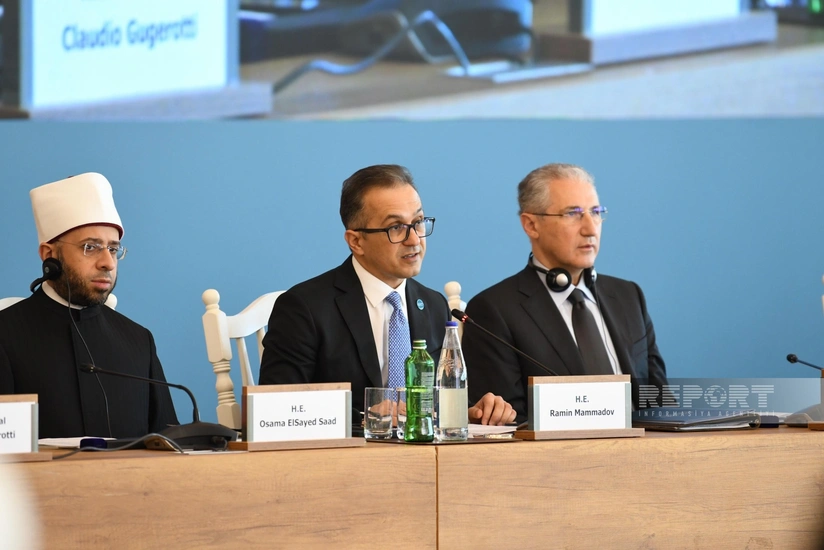
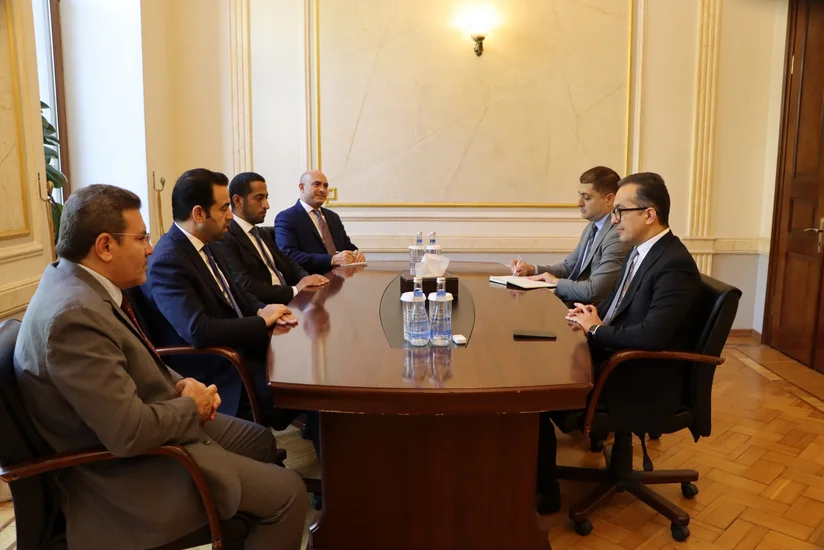
Since the spring of 2024, the agency has been headed by Chairman Ramin Mammadov. Under his leadership, by 2026, the Committee has significantly expanded the scope of its activities, shifting its focus from purely internal regulation to the global positioning of Azerbaijan as a worldwide center of tolerance.
The agency acts as one of the key initiators of dialogue on major international platforms, including the UN Alliance of Civilizations (UNAOC) and Global Summits of Religious Leaders. A notable example is the Committee's active participation in climate initiatives, where religion is viewed as a tool to unite humanity in protecting the planet's ecology ("World Religions for a Green Planet").
The activities of the State Committee are strictly regulated by Azerbaijani legislation, primarily the Law "On Freedom of Religious Belief." Its work encompasses the following fundamental areas:
Registration and Legal Control: The Committee carries out the official state registration of Islamic and non-Islamic religious communities. The agency's specialists ensure that the charters and daily activities of these structures do not contradict the Constitution and the principles of a secular state.
Preventive Fight Against Radicalism: In close coordination with law enforcement agencies, the Committee suppresses any attempts to spread religious extremism, radicalism, and non-traditional destructive movements that threaten national security.
Expertise of Religious Literature: To prevent the import and spread of hate propaganda, the agency conducts strict religious expertise and licensing of all spiritual literature, audio, and video materials.
Education and Promotion: Organizing international conferences, educational seminars in the regions, and publishing educational materials aimed at strengthening national-spiritual values and interreligious harmony.
In 2026, Azerbaijan remains a state where mosques, Orthodox and Catholic churches, as well as Jewish synagogues, peacefully coexist in conditions of absolute mutual understanding.
It is important to understand a key distinction in the country's religious administration architecture: internal canonical affairs and the appointment of imams are managed by a historical institution—the Caucasus Muslims Board (CMB). The State Committee, in turn, does not interfere in ritual activities; instead, it regulates the administrative, legal, and social aspects of the interaction between religions and the state.
Despite the fact that religion in Azerbaijan is legally separated from the state, the government provides systemic support to all confessions. Annually, financial grants are allocated from the state budget to both Islamic and non-Islamic communities (including the communities of Mountain and Ashkenazi Jews, Christian Udis, and the Russian Orthodox Church) for the repair of places of worship and the celebration of significant religious holidays.
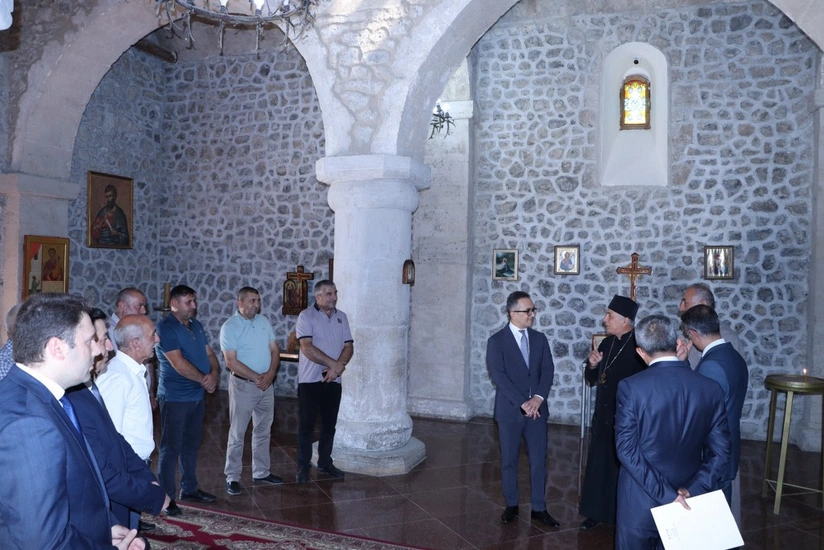
A separate, historically significant vector of the Committee's work in recent years has been the integration of the liberated territories of Karabakh and East Zangezur. Together with the Heydar Aliyev Foundation and other state structures, an unprecedented process of restoring the religious heritage damaged during decades of occupation is underway.
This extensive restoration covers not only ancient mosques in Shusha, Aghdam, and Fuzuli but also the unique Christian monuments of Caucasian Albania (for example, in Kalbajar and Lachin). This process serves as clear proof of Azerbaijan's unwavering commitment to protecting universal spiritual values, regardless of their confessional affiliation.

 Baku 20° C