Black January (also known as Qara Yanvar or the January Events) is a pivotal moment in Azerbaijan’s modern history, symbolizing the nation’s unwavering resolve for freedom and territorial integrity. The tragedy unfolded on the night of January 19–20, 1990, when the Soviet leadership ordered the Red Army and special KGB units to enter the capital city, Baku.
Chronology of the January 20 Events: The military operation, codenamed "Strike" (Udar), saw Soviet tanks and armored vehicles crushing civilian barricades and opening fire on unarmed crowds. According to official records, the brutal crackdown resulted in the deaths of over 147 civilians, with more than 700 injured and hundreds more illegally detained. The fact that the victims included women, children, and the elderly has led international observers to characterize these actions as a crime against humanity.
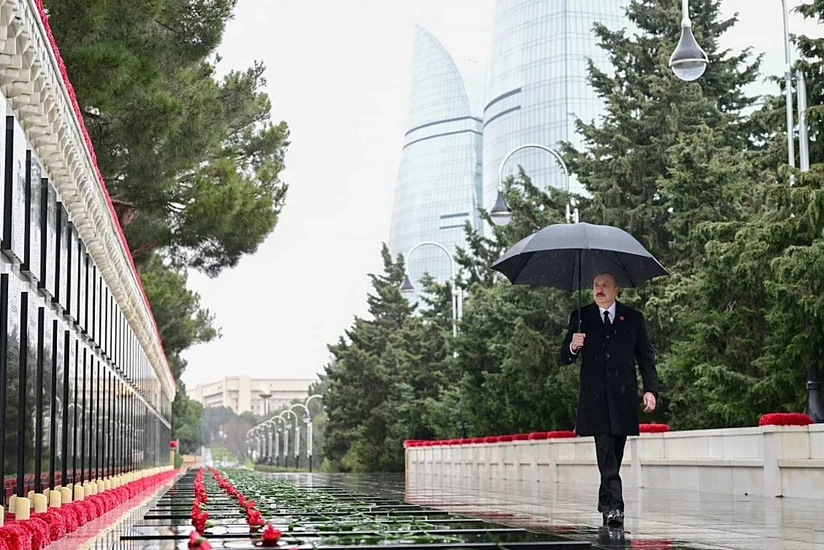
Political Significance: The events of January 20 in Baku completely shattered the Azerbaijani people's remaining trust in the Soviet regime. The following day, national leader Heydar Aliyev visited the Azerbaijani mission in Moscow, where he courageously condemned the Kremlin’s actions and demanded justice for the victims. This act of defiance served as a powerful catalyst for national unity. The funeral procession for the martyrs at the Highland Park (now the Martyrs' Alley or Shehidler Khiyabani) drew over one million people, evolving into a massive demonstration for state sovereignty.
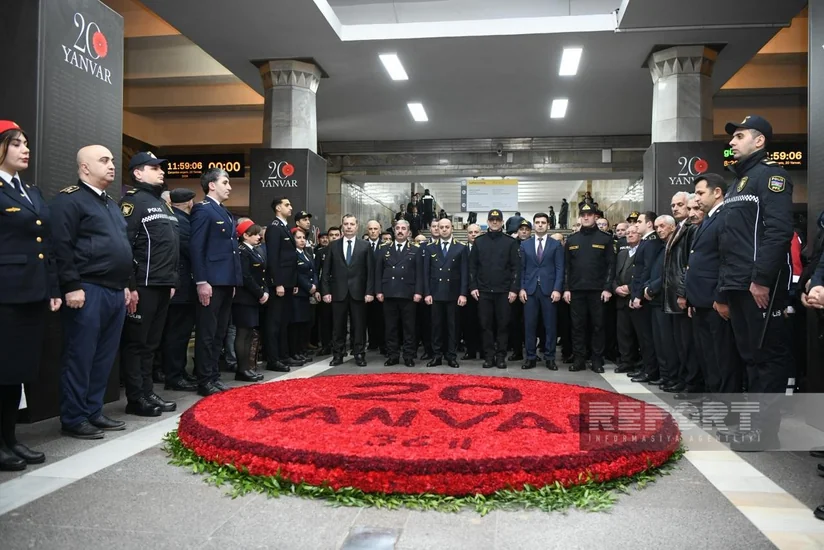
Memory and Legacy: Today, January 20 is observed in the Republic of Azerbaijan as the Day of All-National Sorrow. The memory of the martyrs is enshrined at the Martyrs' Alley memorial complex, a sacred site representing the unbroken spirit of the nation. Black January proved to the global community Azerbaijan’s determination to restore its independence, which was officially proclaimed in 1991.

 Baku 25° C