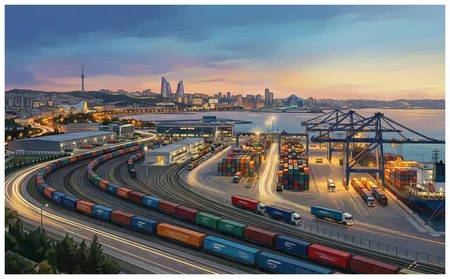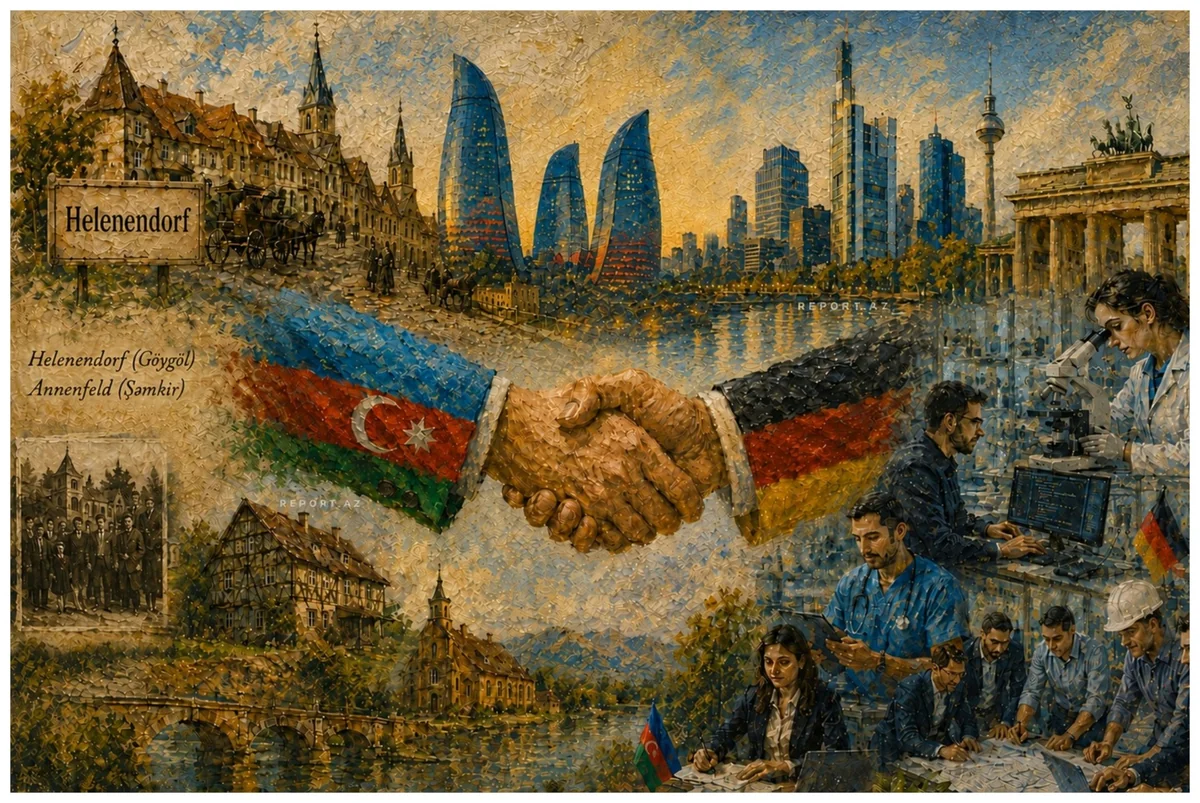

Relations between Azerbaijan and Germany have expanded across multiple fronts in recent years, taking on greater depth and broader strategic significance.
Relations between Azerbaijan and Germany have in recent years developed across various directions, acquiring new substance and broader strategic dimensions.
At the same time, relations between the two countries were not formed only in recent years; they have a centuries-old foundation. Historical and humanitarian ties that emerged in the 19th century, along with the carefully preserved German heritage in Azerbaijan, have become the basis for shaping special relations between the two peoples. Today, cooperation between Azerbaijan and Germany draws attention as a model of long-term partnership built not only on political and economic interests, but also on shared historical memory.
Traces of shared history
German families who settled in the South Caucasus in the early 19th century played a significant role in the social and economic development of Azerbaijan. As part of the Russian Empire's resettlement policy, these communities established themselves primarily in what are now the Goygol, Shamkir, Tovuz and Aghstafa districts, founding a number of new settlements.
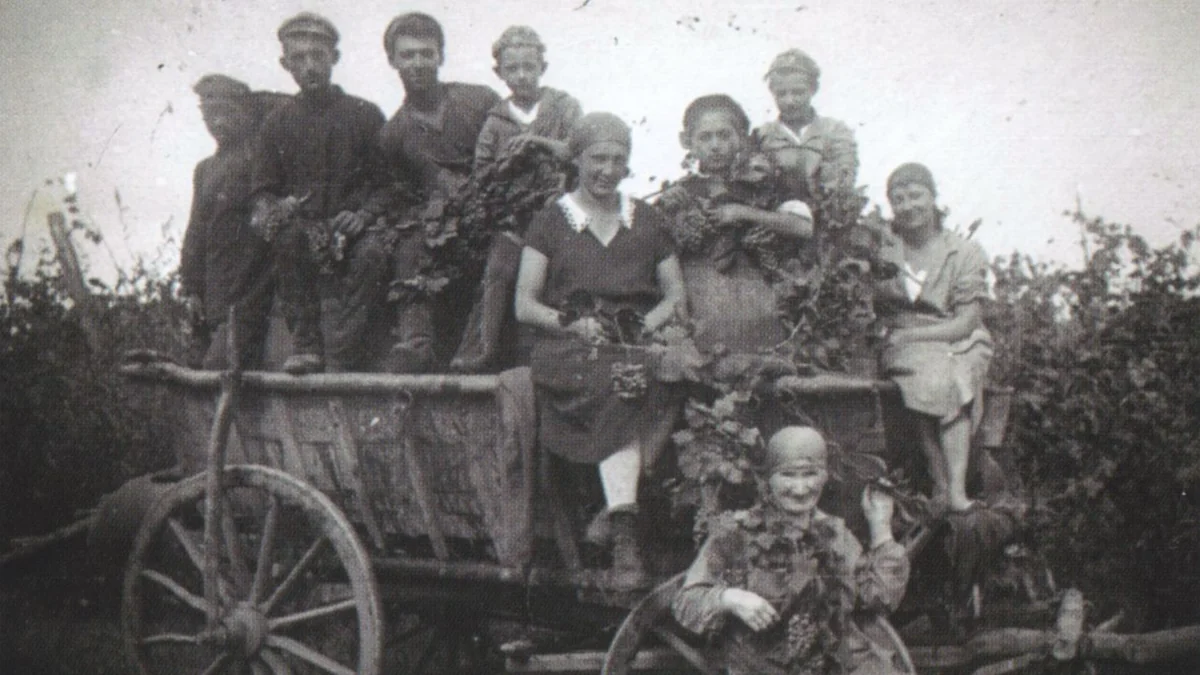
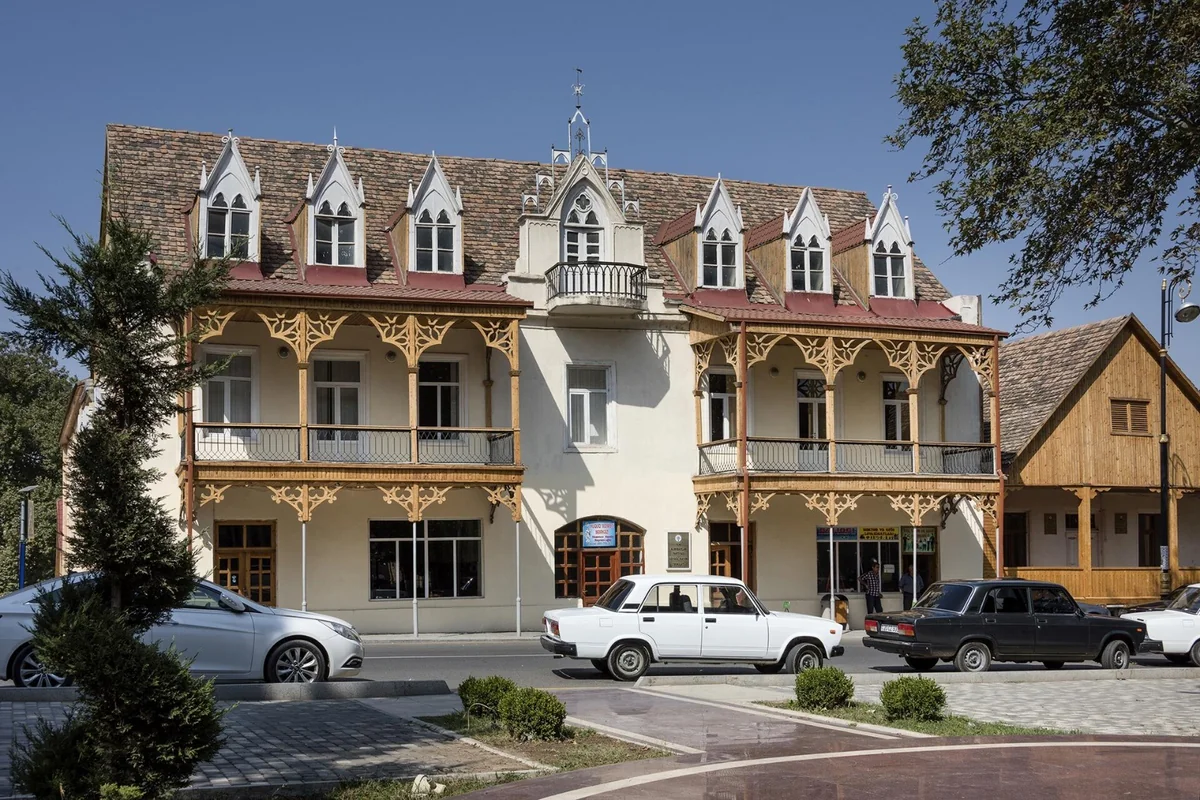
The establishment of the first German settlement, Helenendorf (present-day Goygol), founded in Khanarhlar village some 7-8 kilometers from Ganja, helped transform the region into a center of viticulture, winemaking and agricultural production. The settlers brought with them European farming traditions, new technologies and a distinct work ethic, making a substantial contribution to the local economy. In the decades that followed, the creation of additional settlements-including Annenfeld in present-day Shamkir District (35 kilometers north-west of Ganja), Georgsfeld in Chinarlo, Eigenfeld in Irmashli, Traubenfeld in Tovuz District, Yelizavetinka in Aghstafa, Grunfeld in Vurgun and Alekseevka in Hasansu-further accelerated the region's development.
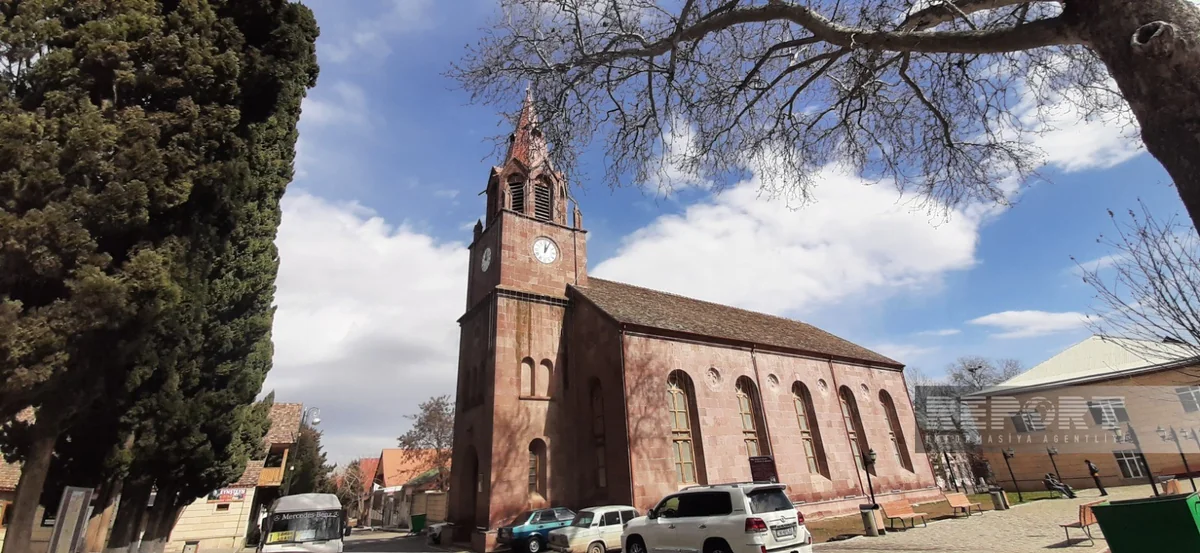
The German communities in Azerbaijan primarily spoke Swabian and Alemannic dialects. The Swabians are one of Germany's historic ethnic groups, traditionally originating from the regions of Württemberg and Swabia. During their 123 years in Azerbaijan, their vocabulary absorbed a considerable number of Russian and Azerbaijani words.
During this period, German settlers built factories, schools, pharmacies, medical centers, theaters, hotels, libraries and churches, while also introducing telephone lines. The German company Siemens & Halske constructed a hydroelectric power plant and laid railways and oil pipelines.
According to statistics, by the end of the 19th century Siemens & Halske accounted for 75% of the market in sectors such as the production of electrical equipment, railway transport and household appliances. Between 1905 and 1907, the company's operations employed between 6,000 and 8,000 workers.
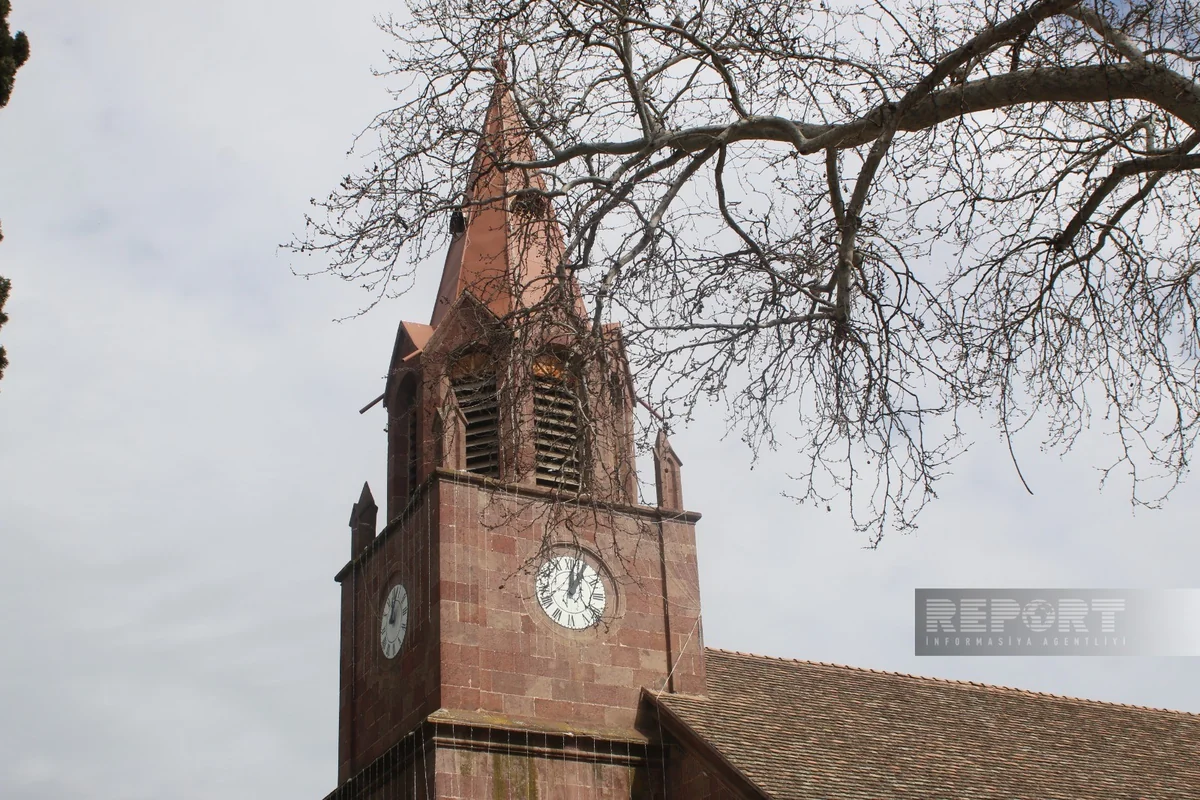
The German community left a lasting imprint on agriculture, architecture, craftsmanship, education and public life in Azerbaijan. Today, these settlements are regarded as an important chapter in the country's multicultural history. Historic buildings, churches and settlements that reflect this German heritage remain preserved in the Goygol and Shamkir regions, serving as living reminders of that era.
German settlements were also known for their orderliness, cleanliness and exemplary organization. Researchers who studied the daily life of Azerbaijan's German communities often described these settlements as functioning like a well-organized and self-sustaining social organism.
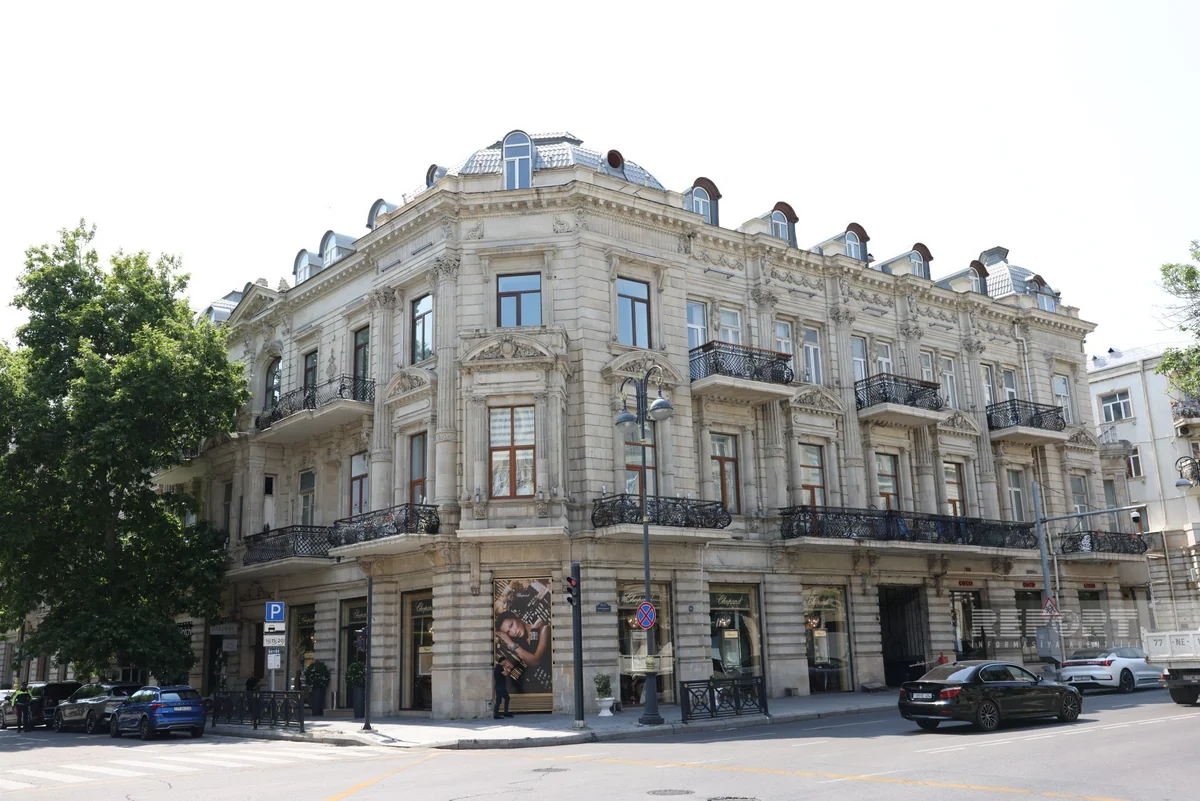
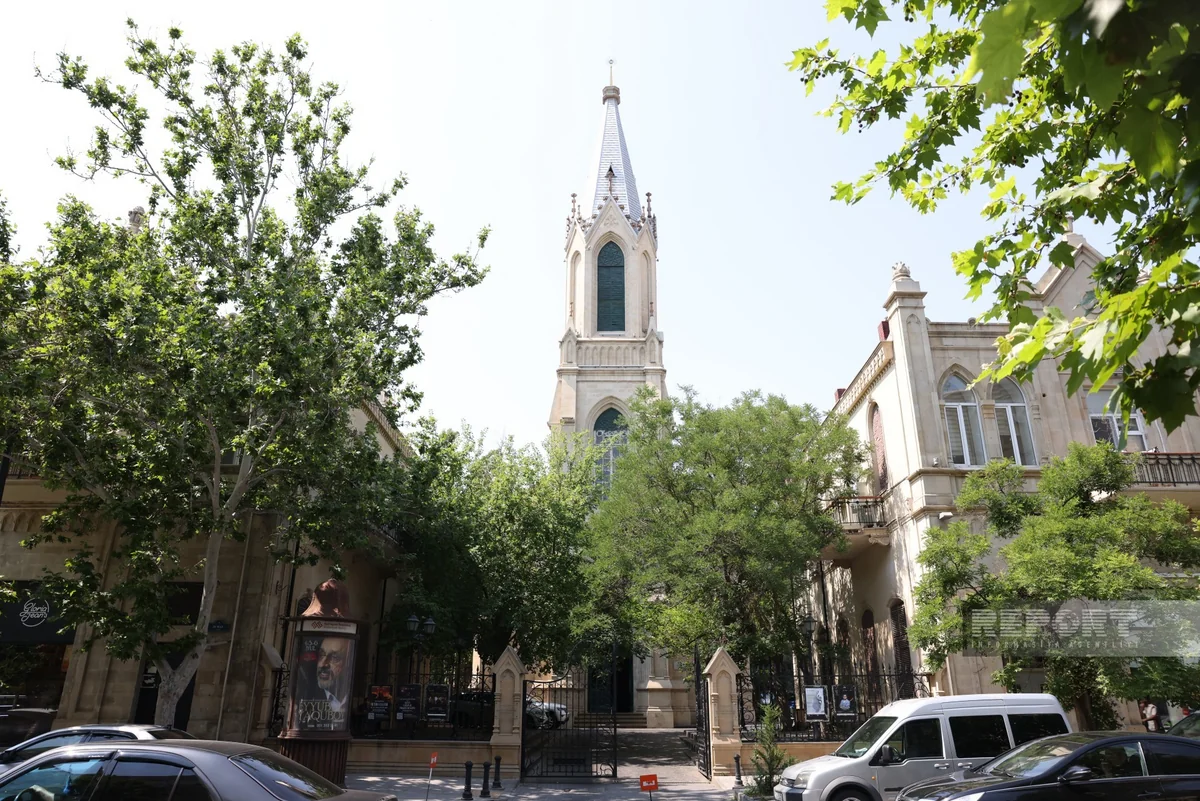
The oil boom of the late 19th and early 20th centuries attracted many architects to Baku. German architects such as Nikolai von der Nonne, Johann Edel, Karl Gippius, Adolf Eichler, and Paul Stern also played an active role in the city"s development. Buildings designed by these architects still decorate Baku today.
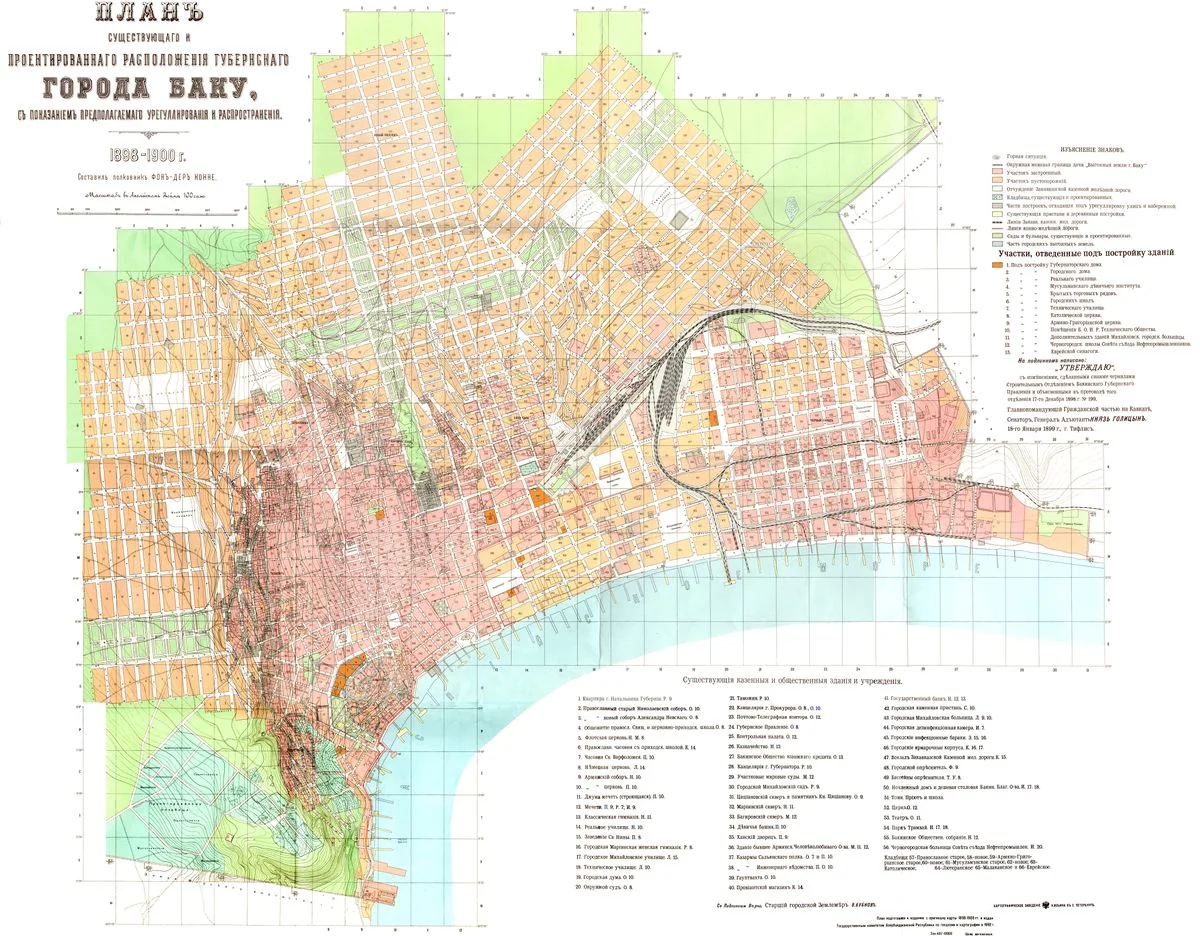
In the history of Baku, Nikolai von der Nonne is remembered as the author of the city"s first general master plan. He also became Baku's first city engineer, actively addressing sanitation issues and developing a project for a citywide sewage system.
In Gedabek, during the second half of the 19th century, the Siemens brothers were actively engaged in copper mining and processing. Siemens remains associated with this legacy. Bridges built by the Siemens brothers for ore transportation still survive in the region.
It is therefore no coincidence that, by order of President Ilham Aliyev, the 200th anniversary of the establishment of German settlements in the South Caucasus was solemnly marked in 2017. The commemorative events were held at UNESCO headquarters in Paris, at Humboldt University in Berlin, as well as in Baku and Shamkir.
Ruslan Guliyev, director of the Azerbaijan-German Cultural Center, Die Brücke, told Report that, in the late 18th and early 19th centuries, fragmented Germany was severely affected by the Napoleonic Wars. The situation was especially difficult in the southern regions - Württemberg and Baden. Landlessness, high taxes, military conscription, and the famine of 1816 led to the impoverishment of peasants and the rise of religious separatism.
In the same year, displaced settlers appealed to Russian Emperor Alexander I, who was passing through Stuttgart, and received permission to resettle in the Caucasus. For the Russian Empire, which had just conquered the South Caucasus, these settlers could serve as a reliable socio-political and religious support base in the region. Therefore, the tsarist government strongly supported the arrival of Germans.
He added that Germans first settled in Georgia in 1817 and, two years later - in 1819 - in Azerbaijan: "With state support, the first two German villages were founded in Azerbaijan: Helenendorf (now Goygol) and Annenfeld (now Shamkir). Over time, the number of German villages located close to each other in the western region, between Ganja and Agstafa, reached eight. Germans lived in Azerbaijan as a compact community, and their main source of income was viticulture. Despite historical difficulties, these villages developed rapidly and managed to build infrastructure with schools, kindergartens, cultural centers, factories, and workshops. However, during World War II, in October 1941, by decision of the Soviet government, the German population of Azerbaijan was deported to Kazakhstan, and their property was confiscated."
Guliyev emphasized that the richest German heritage in Azerbaijan has been preserved in Goygol:
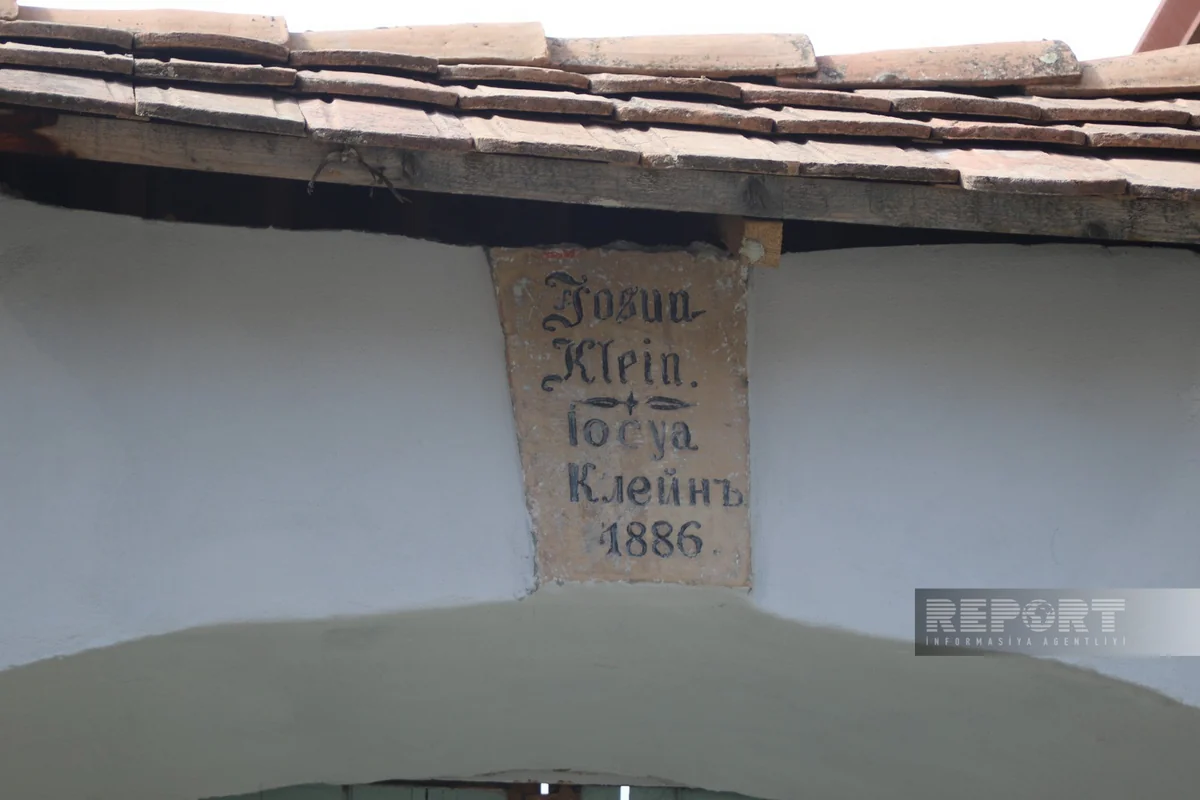
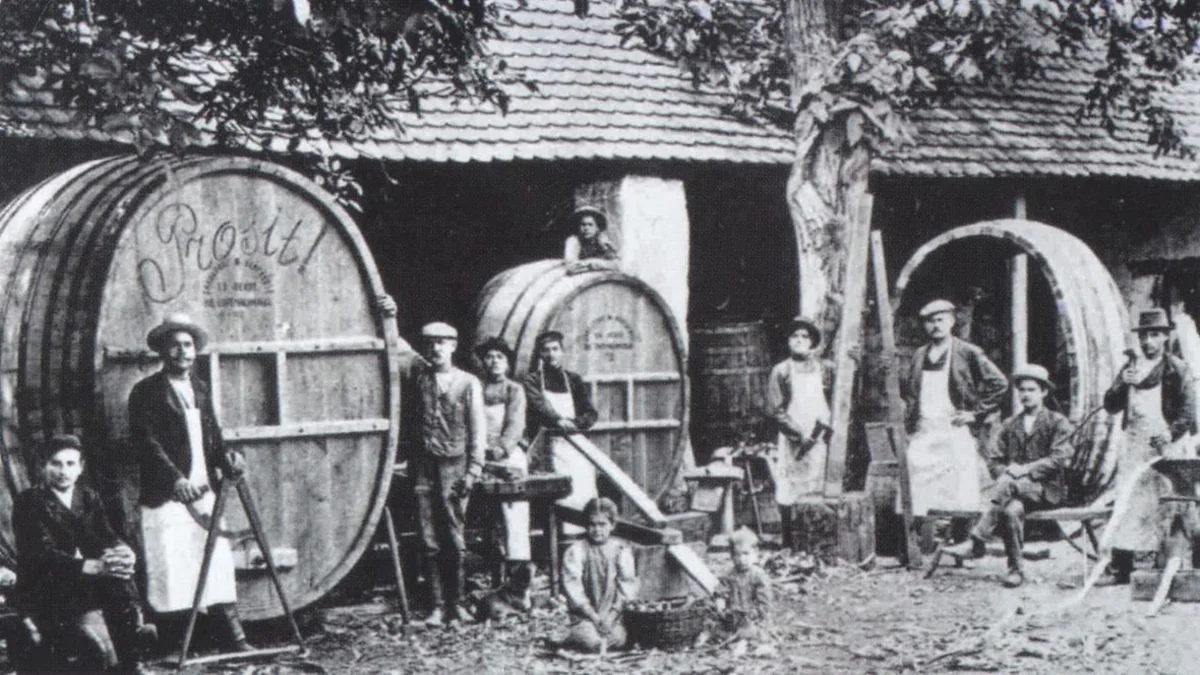
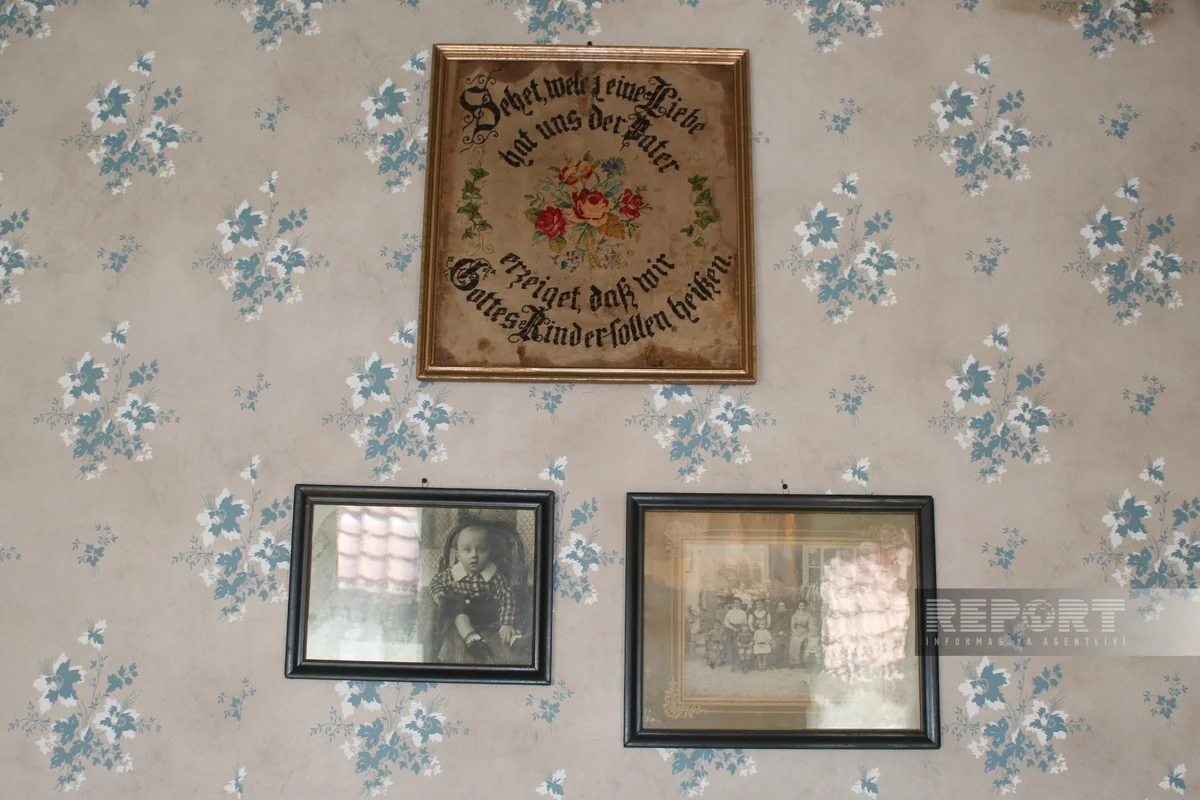
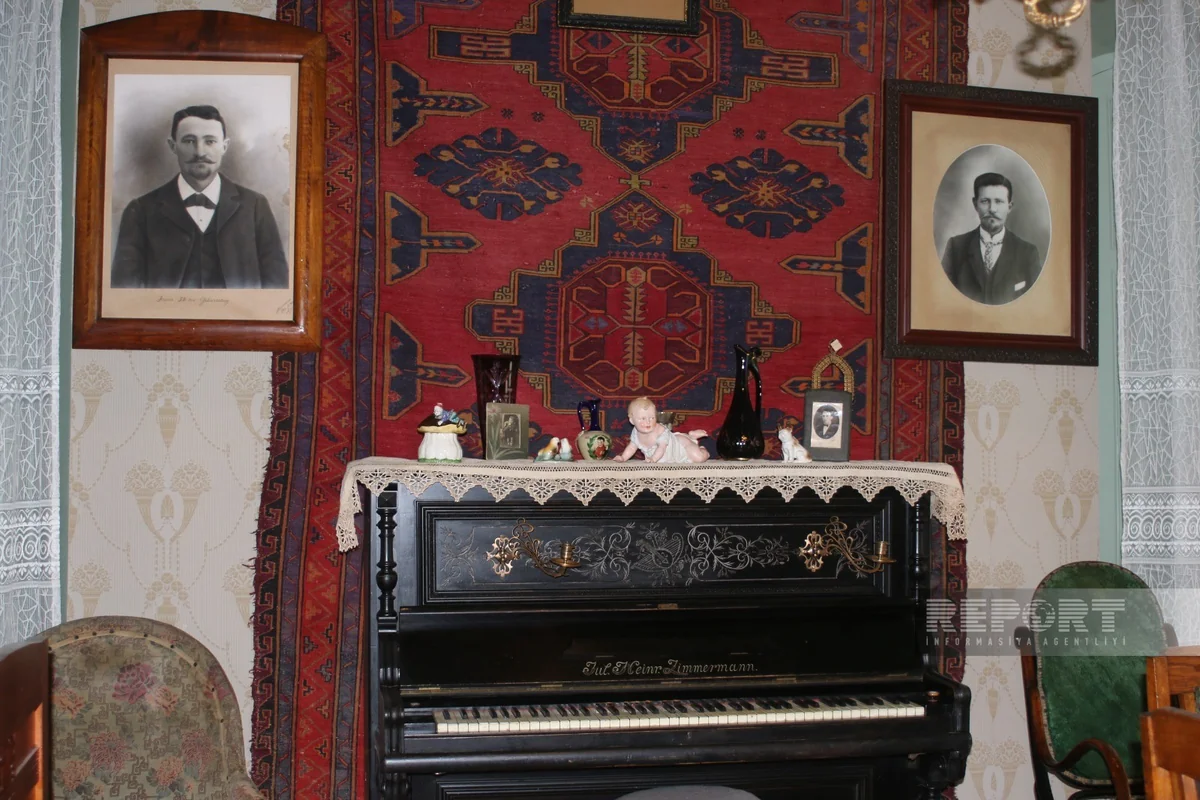
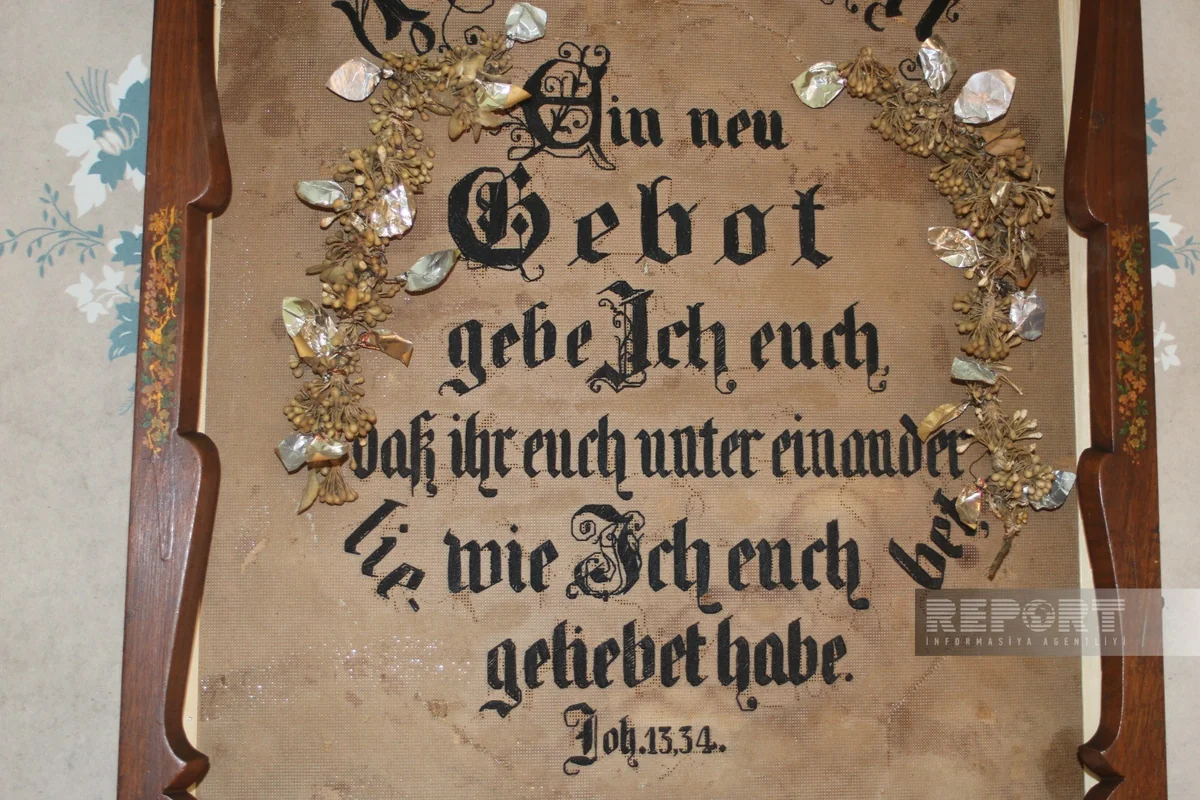
"The architectural appearance of the historic part of the city has remained almost unchanged. Parks, more than 300 residential houses, a school, a technical college, a church, and industrial facilities have been preserved here. I would especially like to highlight the Victor Klein House Museum. Victor, who died in 2007, bequeathed his home to be turned into a museum. This museum, renovated by the Azerbaijani state, now presents an extensive collection of exhibits preserving the history of German settlers. Alongside material culture, living intangible traces of German presence have also been preserved. For example, the sweet ‘kucha,' found only in the Goygol region and still called ‘kucha' by locals, originates from the German word 'kuchen' (pie). In addition, coopers in the city restore old barrels left by Germans and preserve this craft."
The director of the Azerbaijan-German Cultural Center said that the German rural community represents a unique model of how one can preserve national identity, internal discipline, a system of education, and economic organization while integrating into a foreign environment:
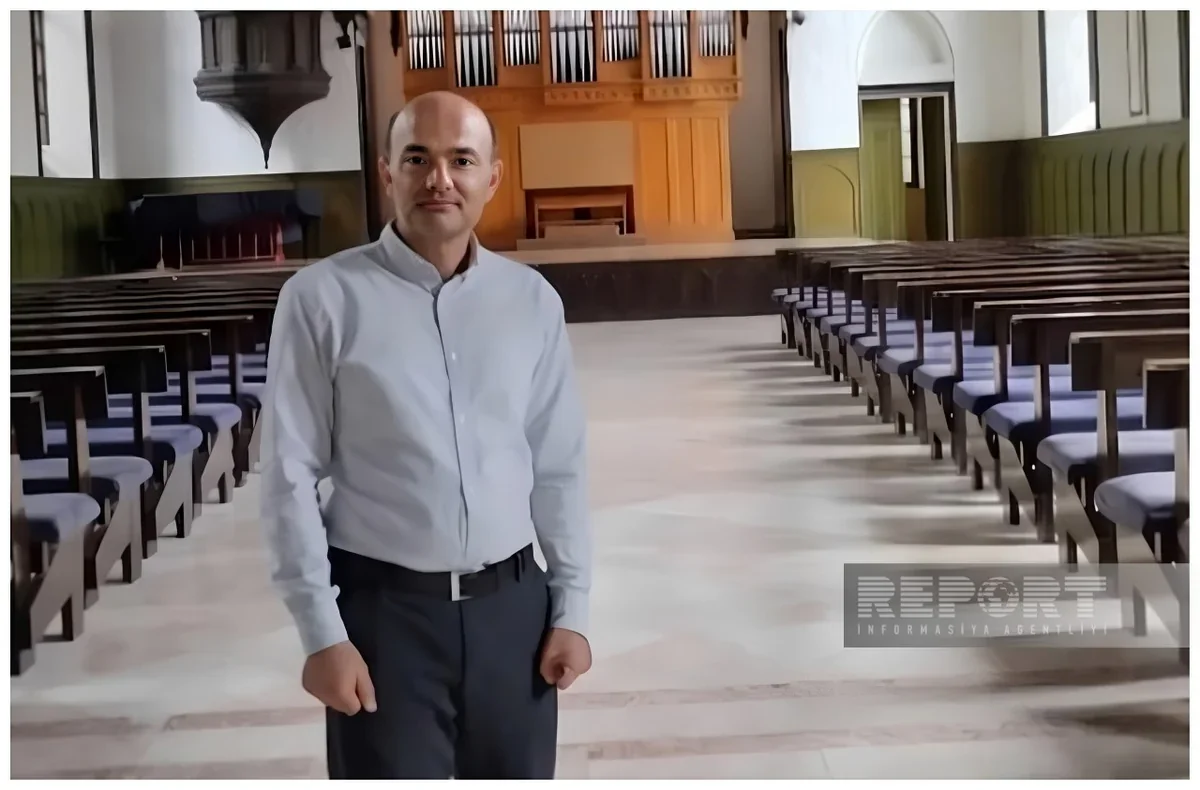
He added that Germans brought a number of innovations to Azerbaijan in crafts, architecture, business, science, and even sports:
"For example, Germans were the first to introduce four-wheeled European-style carriages to Azerbaijan and, by organizing their production in local workshops, gained significant recognition. Through their progressive innovations, they left a deep mark on our history," the head of the Die Brücke center said.
He said he considers broader promotion of German heritage in Azerbaijan an important area for tourism:
"This is a treasure within our cultural tourism routes. By actively highlighting this topic, we can introduce both our multicultural history and the country's domestic tourism potential to the world."
"Sometimes the continuation of a short episode I read in a book is told to me by the descendants of the people involved in that story, who live in Germany. In this sense, live communication and the establishment of personal ties are very important for preserving bridges between generations and cultures."
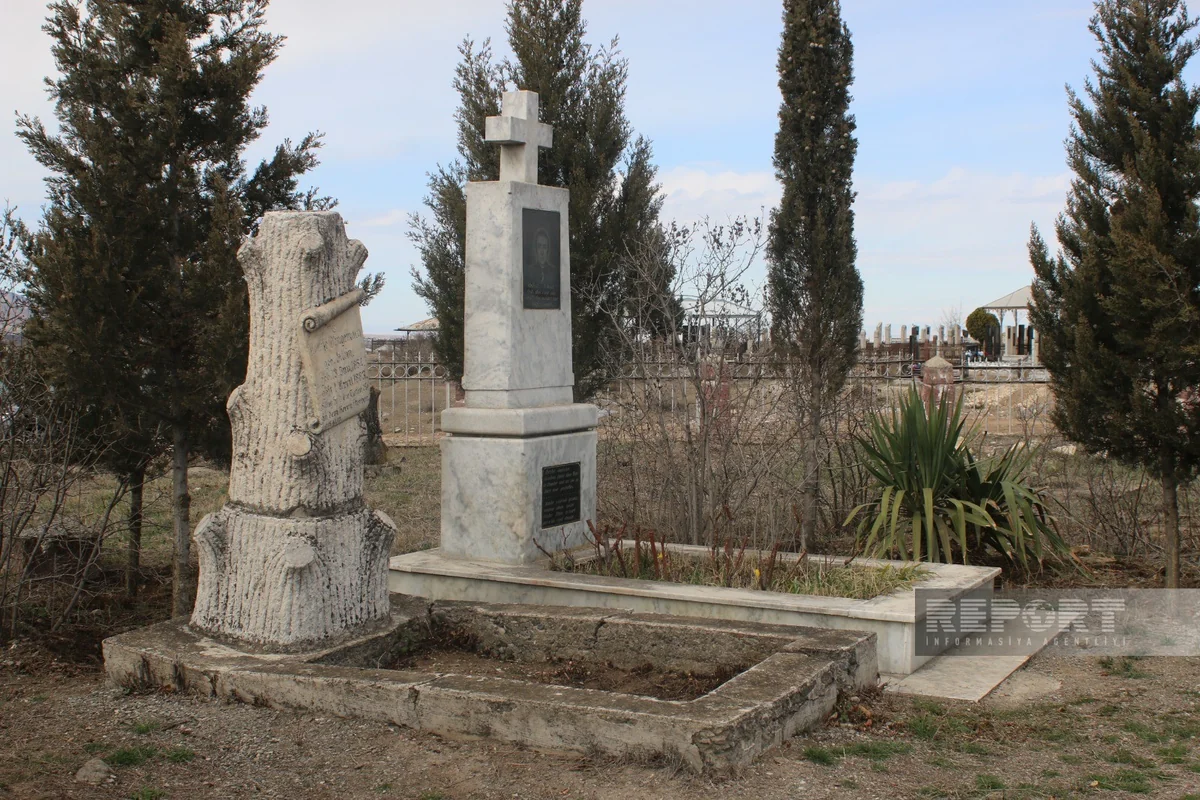
He noted that descendants of Germans deported in 1941 (by the Soviet authorities - ed.) remain strongly connected to Azerbaijan today. They frequently visit in groups, come to see the homes and graves of their ancestors, and consider this land their homeland.
"These people have a deep affection for Azerbaijan. I believe this love should be mutual. We must not lose these historical ties of friendship; we must preserve them and pass them on to future generations. These relations are a unique example of cultural dialogue, especially in today's world."
Despite the passage of time, descendants of Germans who lived in Azerbaijan continue to contact the cultural center seeking help in tracing their ancestors. He said the center places special importance on this work and actively assists in locating homes and relatives.
As a result of these efforts, strong friendly connections are formed. Elderly German visitors from various countries who, for the first time, see the homes of their ancestors identified by the center in the regions experience unforgettable emotions. These encounters also help strengthen friendships with Azerbaijani families currently living in those homes, who warmly welcome the guests.
That is why the center is called Die Brücke, which in German means ‘The Bridge,' and its motto is: ‘Die Brücke is a bridge, each stone of which is built from human destinies.'"
The interlocutor emphasized that shared memory is the main cultural heritage of Azerbaijani-German historical ties:
"We have a common history and a common destiny with the Germans who once lived here. Various events took place in history, and nothing should be forgotten. The painful pages of the past should not be forgotten, so that we can learn lessons from them and prevent their repetition. The pleasant moments, however, should be preserved so that our friendship can only grow stronger. Azerbaijani-German relations are an ancient, sincere, and living history of friendship that continues to develop successfully in various fields today."
"Visiting the lands where my ancestors once lived evokes deep and very personal feelings in me. It is a combination of excitement, pride, and gratitude for the opportunity to touch my family's history and see the places I have heard so much about since childhood.
"Our family has preserved many memories connected to Azerbaijan. A special place is held by Azerbaijani cuisine, many dishes of which have become part of the traditions of Azerbaijani Germans over time. Among them are rice with raisins, kabab, and other local dishes. My grandmother loved cooking dolma. My mother, who was only six years old at the time of deportation, still remembers Azerbaijan warmly. The taste of fresh flatbread baked by local people is especially vivid in her memory. These memories are passed down from generation to generation in our family and help us maintain a living connection with the land where our ancestors once lived.
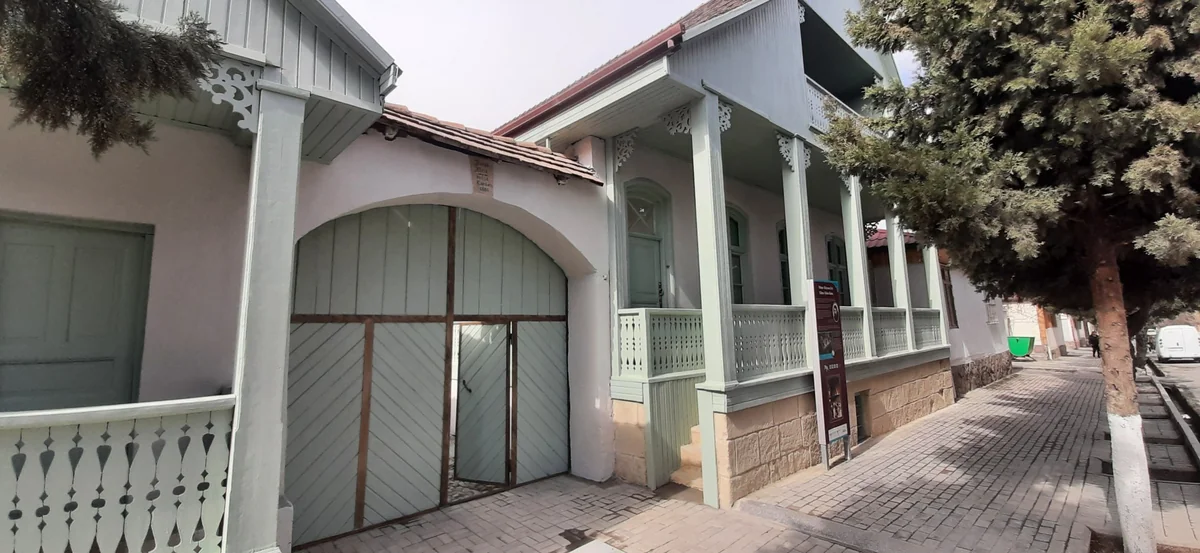
"Visiting Goygol (Helenendorf), where my ancestors once lived, as well as their burial sites, holds special significance for me. It is an opportunity to pay tribute to their memory, better understand their life journey, and feel the connection between the past and the present.
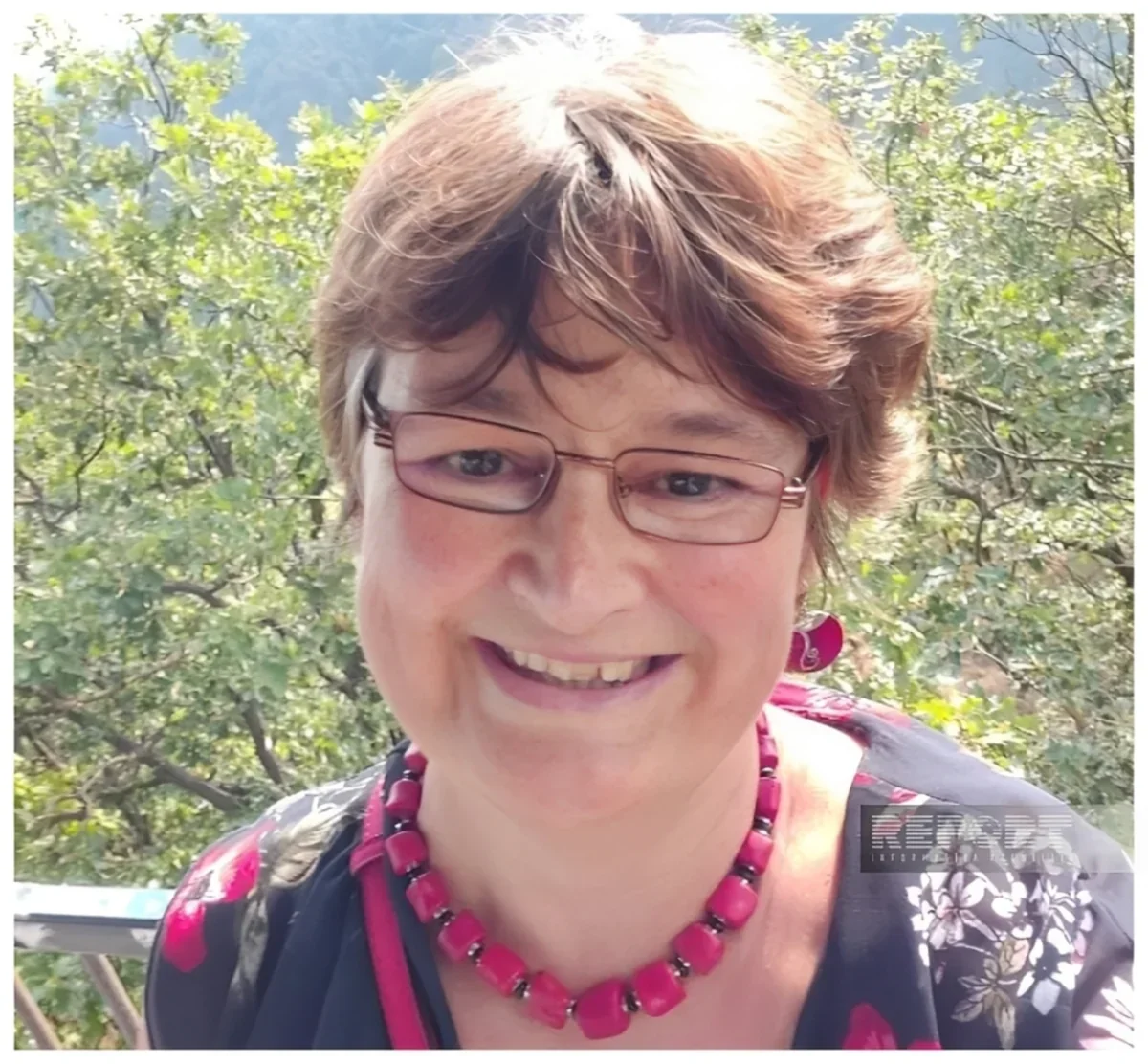
"I highly appreciate the work being done in Azerbaijan to preserve German heritage. The restoration of historical sites, the study of the history of German settlements, and the promotion of this topic help preserve an important part of our shared historical legacy.
"The attitude of local residents toward us and our family history was exceptionally warm and friendly. We felt genuine interest in our family story and respect for the memory of our ancestors.
"The hospitality of the Azerbaijani people left the most pleasant impression. We were welcomed with openness, kindness, and attention, which made us feel like truly welcome guests.
"What impressed me most were the historical places connected to the life of German settlers, the beauty of Azerbaijan's nature, as well as the opportunity to personally meet people who carefully preserve the memory of this shared history.
"Special gratitude is due to the work of the Azerbaijan-German Cultural Center, Die Brücke. The director of the cultural center, Ruslan Guliyev, introduces us to interesting facts about German history in Azerbaijan, organizes engaging tours of German heritage sites, and helps in finding the addresses where our ancestors once lived in Azerbaijan.
"I believe that the historical ties between Azerbaijan and Germany are truly one of the factors bringing our peoples closer today. Shared history contributes to mutual understanding, cultural exchange, and the strengthening of friendly relations between countries.
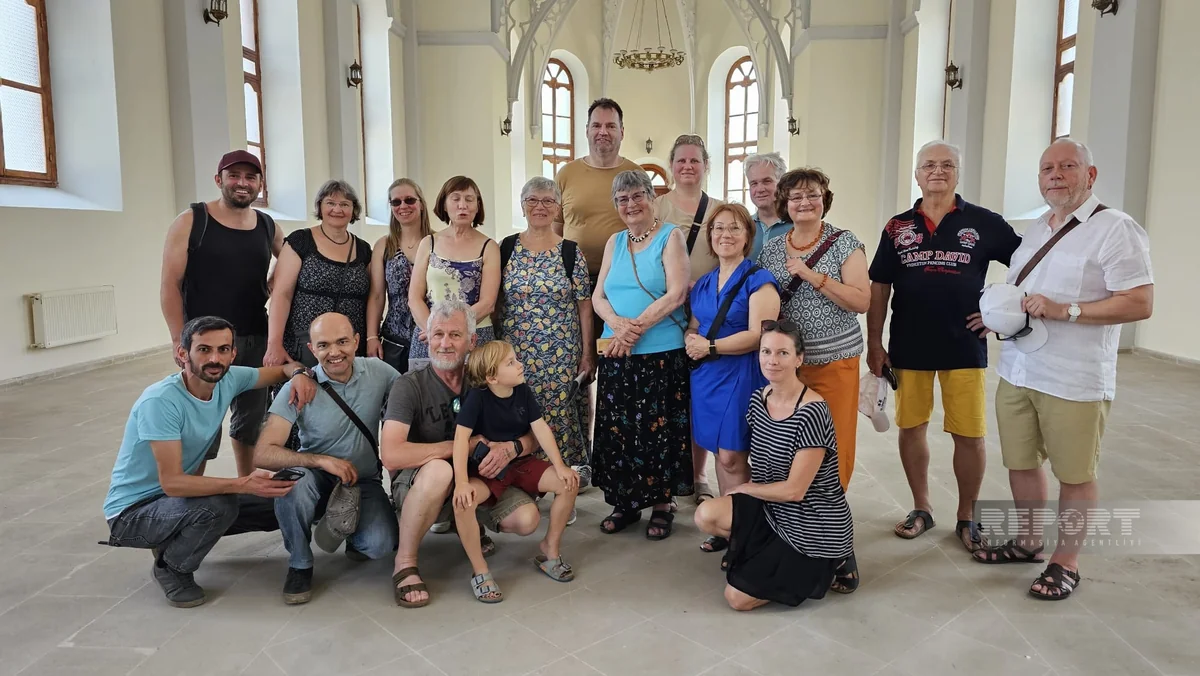
"To pass this family history on to future generations, I tell my children about our family"s historical connection with Azerbaijan. My niece and one of my daughters have already visited Azerbaijan with me and seen the places where our ancestors lived. It is very important to me that the memory of this part of our history continues to live and be passed on.
"I organize meetings of Azerbaijani Germans in Germany. There, we share impressions from our travels to Azerbaijan, study our family histories, reconstruct genealogical trees, and discuss new findings from archives that remained closed for a long time."
Irina Esaulova, the granddaughter of Richard and Alvine Hüttinger, who lived in Helenendorf and were later deported by Soviet authorities to Kazakhstan, where she currently resides, notes that Azerbaijan treats German heritage with special care.
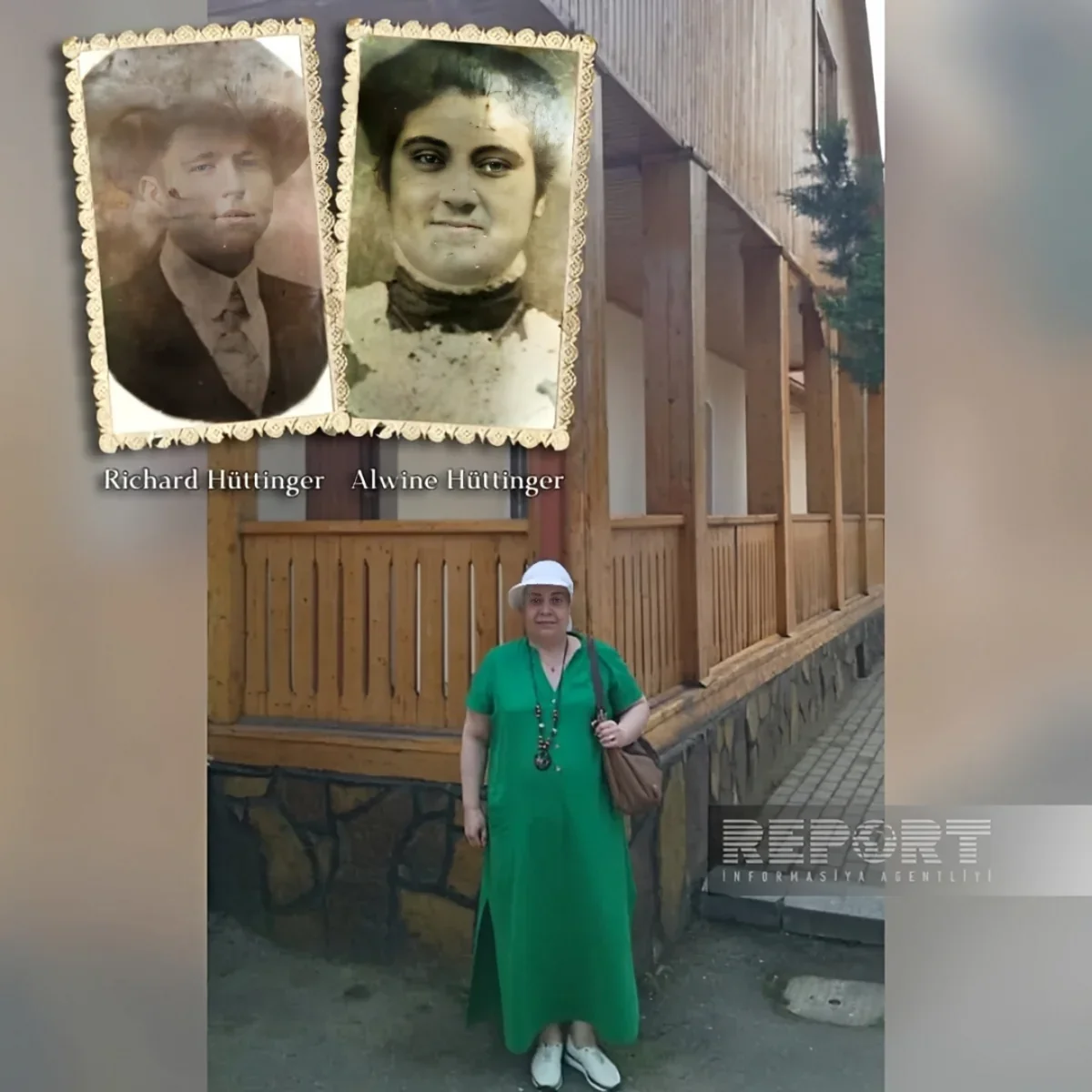
"In our family, we used to cook dolma and shah pilaf. We grilled delicious kababs. My brother still grows grapes and makes exceptionally good wine.
"I had always wanted to learn more about my roots. I took some soil from the gardens of the homes where my great-grandmother, grandmother, and mother had lived and sprinkled it on their graves.
"Before the trip, I prepared for a long time. I read a lot and watched many materials. My expectations were fully met.
"I am very grateful to Azerbaijan. Not everywhere is history treated with such care and respect.
"Once again, I would like to express my appreciation and gratitude, especially for the hospitality. I would also like to highlight the unique character of the country, where modernity and antiquity coexist side by side. The love that local people have for their country is truly impressive, as is the way they honor the memory of their fallen soldiers.
"Without a doubt, discussing historical issues in a positive spirit always brings peoples closer together.
"Everything I learned and saw, I shared with my son. I also posted my memories and photographs on a website dedicated to victims of political repression."
Culture and humanitarian ties as bridges
In recent years, cooperation between Azerbaijan and Germany in the cultural and humanitarian sphere has also developed dynamically. Relations between Germany, which occupies an important position in Europe, and Azerbaijan, the leading country of the South Caucasus, are creating new opportunities for closer cooperation between the two peoples and for strengthening cultural bridges. In particular, cultural events, exhibitions, concerts, and educational projects about Azerbaijan held in Germany contribute to enhancing public diplomacy between the two countries.
A special role in this process is played by Azerbaijani diaspora organizations and cultural platforms operating in Germany. Through events organized on their initiative, the German public becomes more familiar with Azerbaijani music, literature, history, and rich cultural heritage. At the same time, student exchange programs and joint projects foster growing mutual interest among young people and help build long-term connections.

"Azerbaijan"s geopolitical position and its ongoing cooperation with European countries generate greater interest in German society than in previous years. Positive changes are clearly noticeable. This is the result of Azerbaijan"s balanced foreign policy and the importance it attaches to international cooperation. The German-Azerbaijani Forum seeks to provide comprehensive information about Azerbaijan through the events it organizes and to increase the interest of foreign audiences. Thanks to these events, people who know little about Azerbaijan have the opportunity to discover our country from different perspectives. Such events are very important because more effective results can be achieved precisely through direct engagement with local communities and cultural exchange."
She also emphasized the importance of creating more scholarship and exchange programs for German youth:
"It would be beneficial to establish more scholarship and exchange programs, particularly for German youth. Giving students the opportunity to spend some time in Azerbaijan could be an excellent way for them to gain a deeper understanding of our country. Educated young Azerbaijanis living in Germany who are fluent in German and familiar with local laws play an important role in providing accurate information and raising awareness about our country. As the number of such young people increases, greater progress will be achieved in this area."
Speaking about the perception of Azerbaijani culture in Germany, Fidan Damer noted that music attracts the greatest interest:
"The strongest interest I observe is primarily in the field of music-classical music, mugham, and folk songs are all received with great enthusiasm by German audiences. Joint student projects, cultural exchange programs, and international festivals can make a significant contribution to strengthening ties among young people and fostering long-term cooperation. In this regard, international exhibitions, tourism forums, and social media platforms can provide broad opportunities to promote Azerbaijan's rich cultural heritage and tourism potential. Relations between Azerbaijan and Germany continue to develop, and I hope that cooperation in the economic, political, and cultural spheres will expand even further in the future. Cultural cooperation strengthens mutual understanding and trust between peoples, which, in turn, positively influences the development of relations between countries."
Thus, Azerbaijani-German relations, rooted in history while responding to the challenges of the modern era, hold significant potential for broader economic, humanitarian, and strategic cooperation in the future. This partnership remains one of the key bridges contributing to regional stability, economic integration, and the strengthening of mutual trust and cooperation between Europe and the South Caucasus.


 Baku 25° C