
 Baku 29° C
EU launching Connectivity Agenda Platform to develop Middle Corridor
- 23 June, 2026
- 12:38
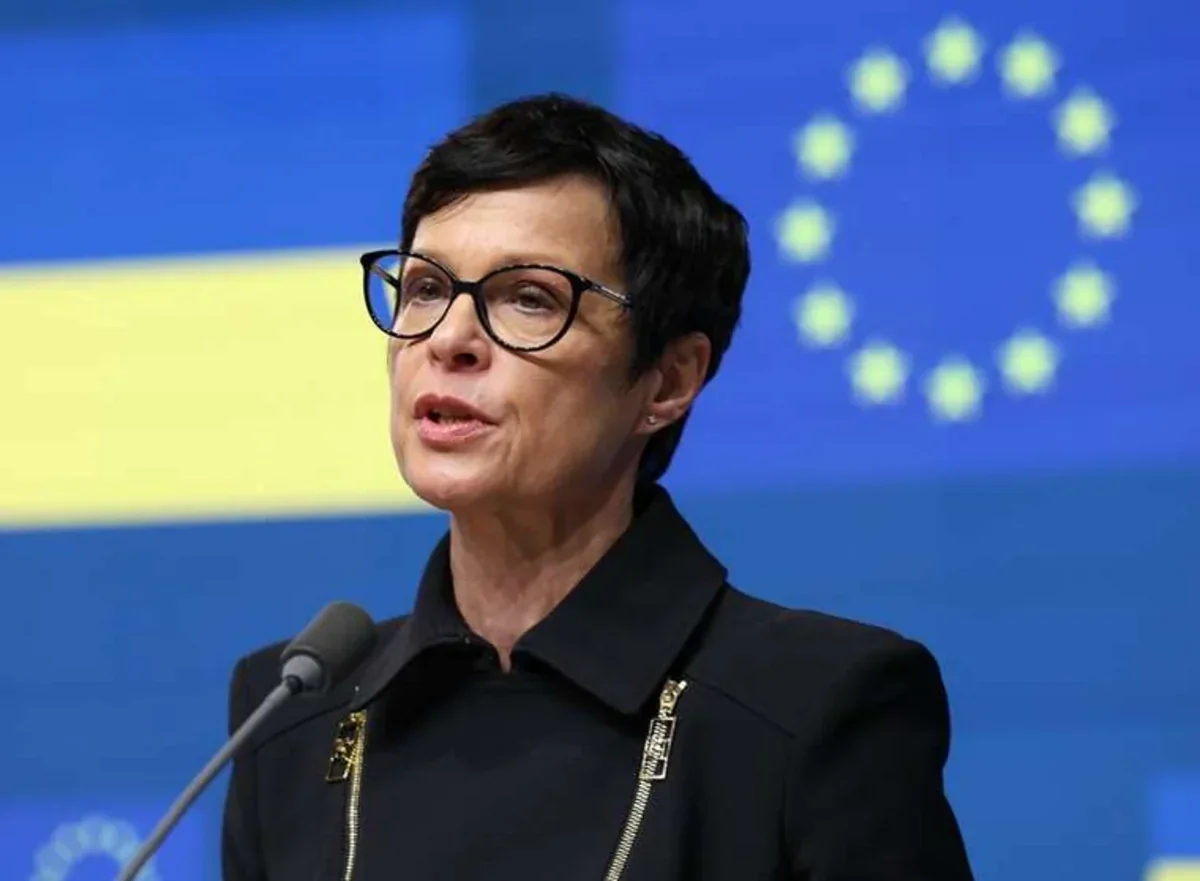
The European Union has launched the Connectivity Agenda Platform, a new platform for coordinating transport, energy, and digital projects along the Middle Corridor, which connects China, Central Asia, the South Caucasus, Türkiye, and Europe, European Commissioner for Enlargement Marta Kos said at a conference to launch the platform, Report informs.
According to Kos, the new platform aims to take cooperation between the countries along the route to a new level by integrating individual initiatives into a unified strategy for developing transport and logistics connectivity in the region.
"The Connectivity Agenda Platform will allow us to link individual initiatives and develop a common vision for developing connectivity in the wider region. It will also help shape a portfolio of priority projects that truly make a difference," Kos said.
The platform is also designed to facilitate funding by bringing together governments, international financial institutions, and private investors around a common investment agenda.
The Middle Corridor (Trans-Caspian International Transport Route, TITR) is viewed by the EU as an important alternative to traditional trade routes between Europe and Asia. However, its development remains hampered by limited capacity and long transit times. Currently, cargo delivery from the China-Kazakhstan border to Romania can take up to 45 days.
"We want to reduce this time to 15 days-this is significantly faster than shipping by sea to Europe," Kos stated.
She cited missing rail and road infrastructure links, capacity limitations, and other infrastructure gaps as key bottlenecks along the route. Differences in border procedures, incompatible systems, and administrative delays remain additional obstacles.
To address these issues, the EU intends to invest in modernizing transport infrastructure, digitalizing customs procedures, and harmonizing regulations between countries in the region.
According to Kos, projects signed under the initiative with EU participation provide for over €80 million in European funding and have the potential to mobilize over €2 billion in investment in transport, energy, and digital infrastructure.
Author