
 Baku 21° C
ADA University students present urban development projects at WUF13 in Baku
- 20 May, 2026
- 17:25
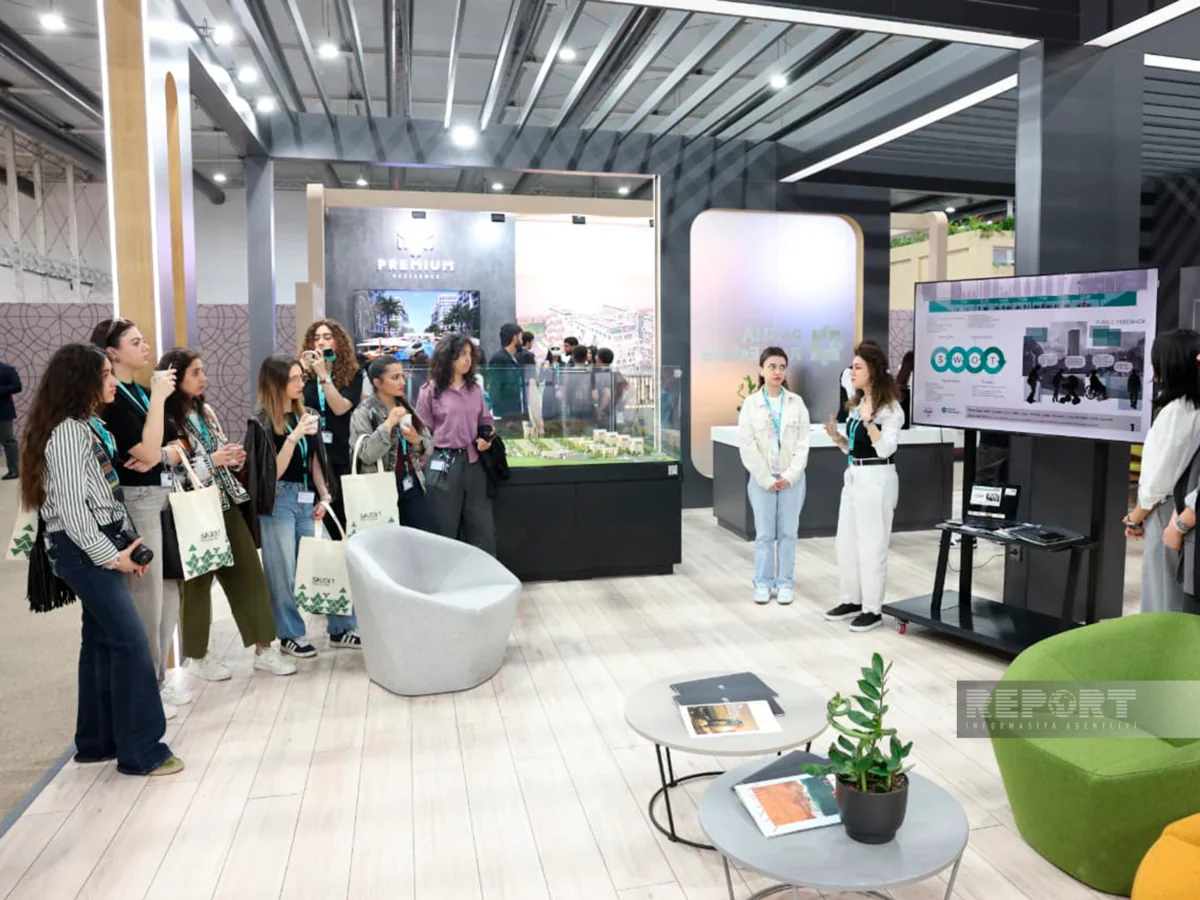
ADA University students presented their projects on developing the urban environment in Baku at the 13th session of the World Urban Forum (WUF13).
Report informs that their projects focus on redesigning the underground passage located between two of Baku's busiest points - Port Baku and Crescent Mall.
The main goal is to transform the space used by pedestrians for crossing into a safer, more convenient and brighter urban environment. SWOT analyses, surveys and research conducted by the students showed that the area needs better lighting, accessibility, anti-slip surfaces and human-centered solutions.
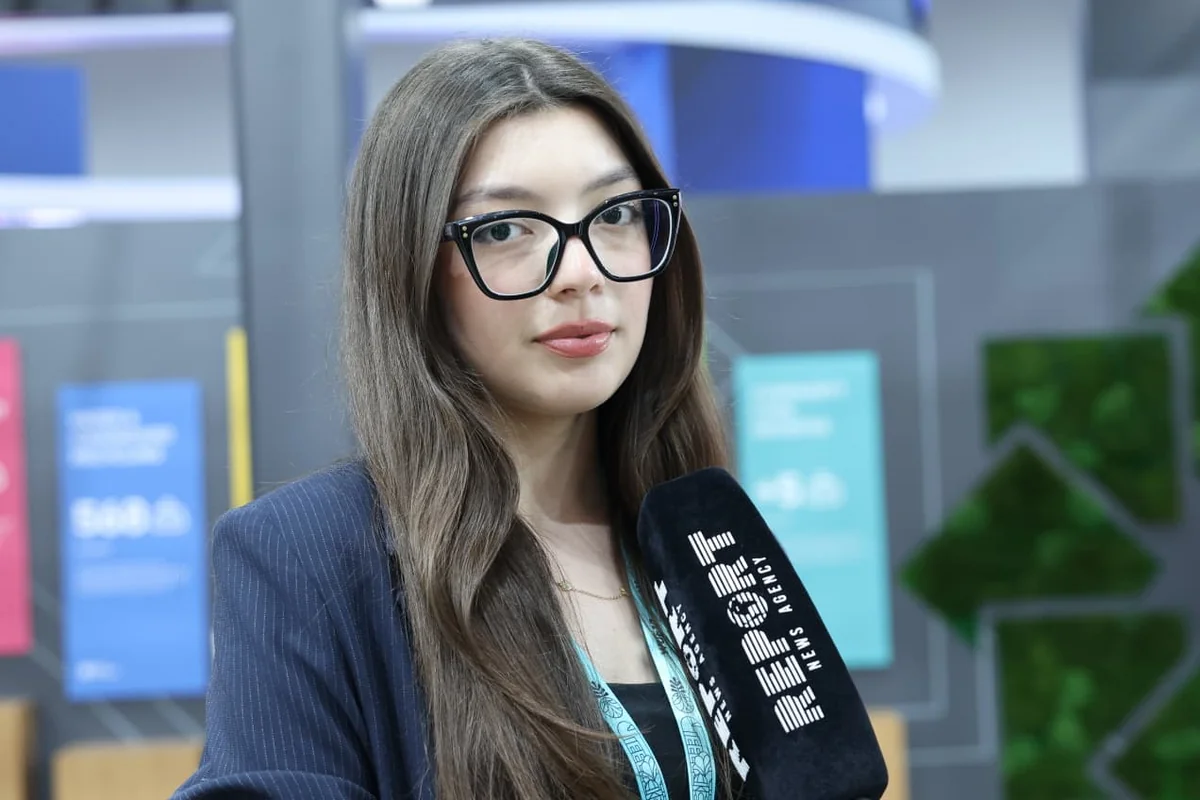
Sevinj Ahmadova, a representative of the team that took first place, emphasized that they built their concept around the idea of Light and Art.
"We wanted the underground passage to become not just a functional tunnel, but a place that attracts attention, inspires people and reflects the city's cultural identity," she said. "To achieve this, we proposed displaying digital copies of artworks using projectors. The visual content will reflect both Azerbaijani culture and national values, as well as examples of world art."
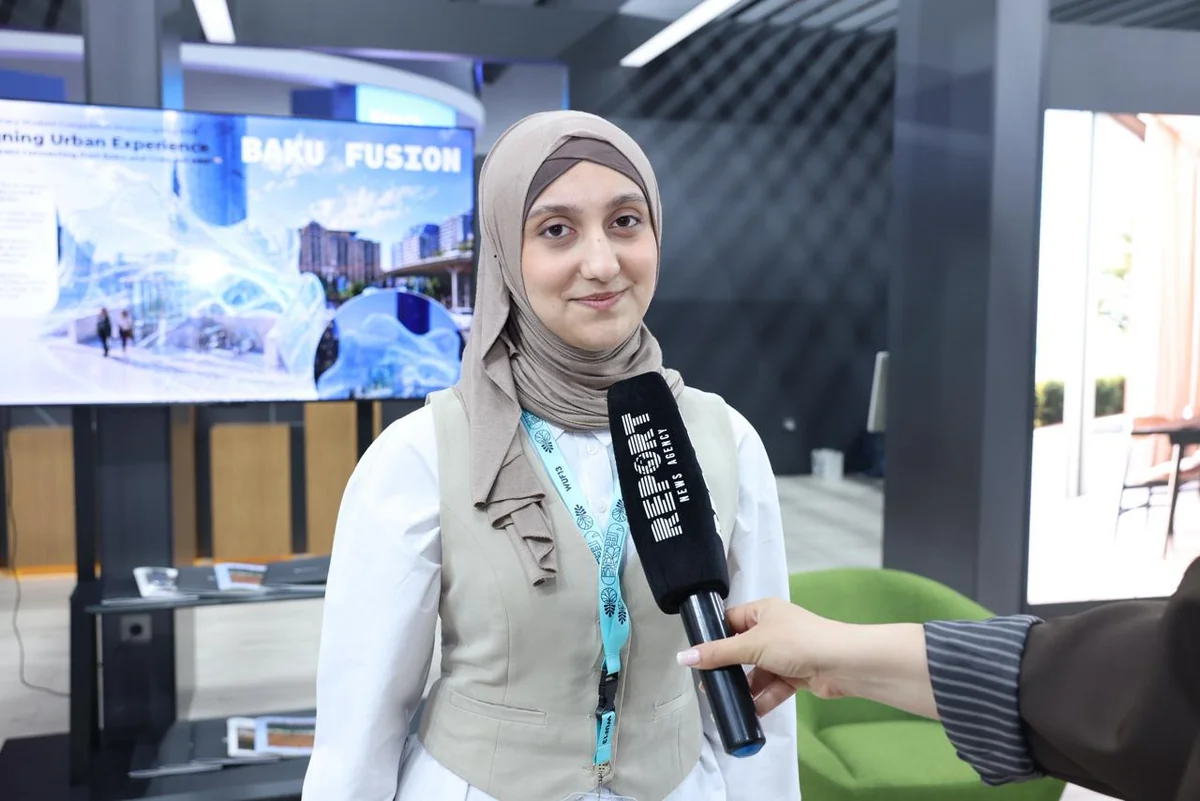
Halima Gachabayova, a representative of the team that took second place, noted that their Baku Fusion project aims to redesign the underground passage and turn it into an integral part of the urban experience.
"The main concept of the project is based on the 'From the Sea to the City' approach and combines two key symbols of Baku - the dynamism of the Caspian Sea and the architectural silhouette of the capital. The design idea is based on the movement of water, the rhythm of waves and a dynamic urban environment," she explained.
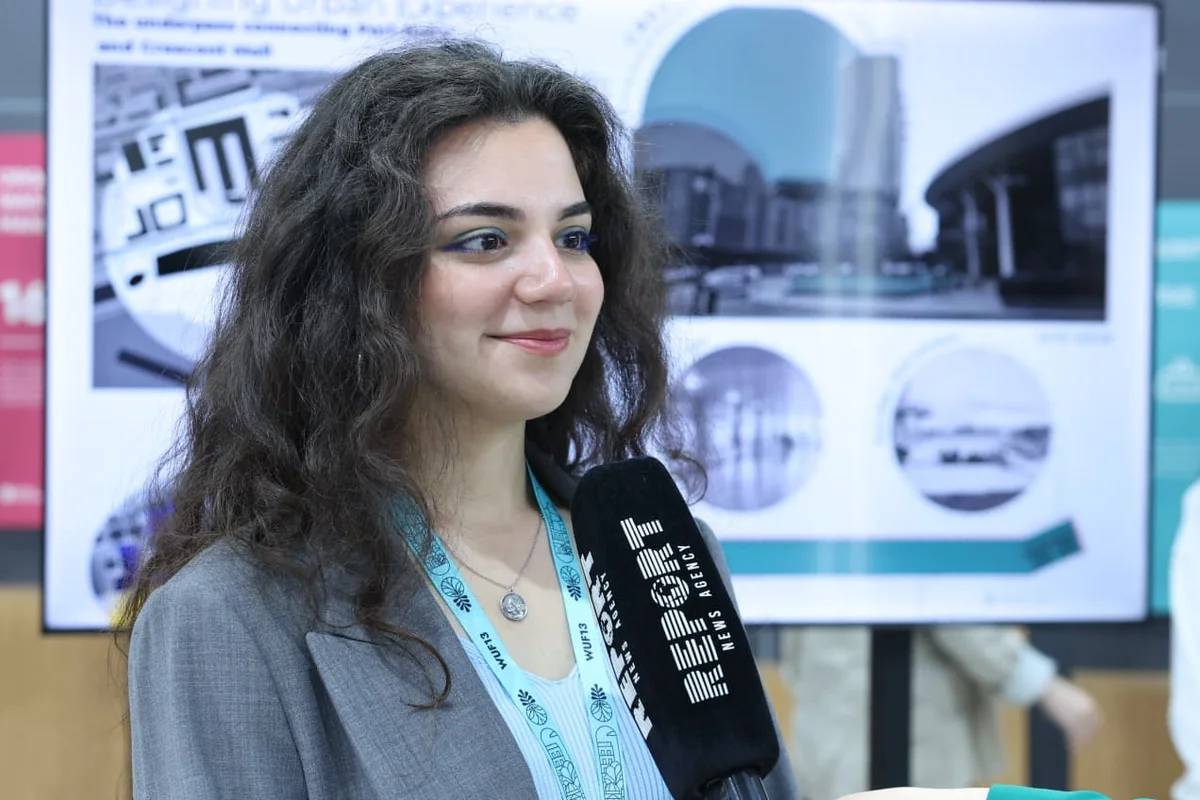
According to Sara Guliyeva, a representative of the team that took third place, the main task of The In-Between project was to rethink the underground passage between Port Baku and Crescent Mall.
"We studied this space not as a simple tunnel for moving from point A to point B, but as an urban transit hub that allows people to feel the rhythm of the city. We built the design concept around the ideas of 'flow' and 'transition,' trying to create a more intuitive and continuous experience through the interconnection of form, light and materials," Guliyeva said.


Author