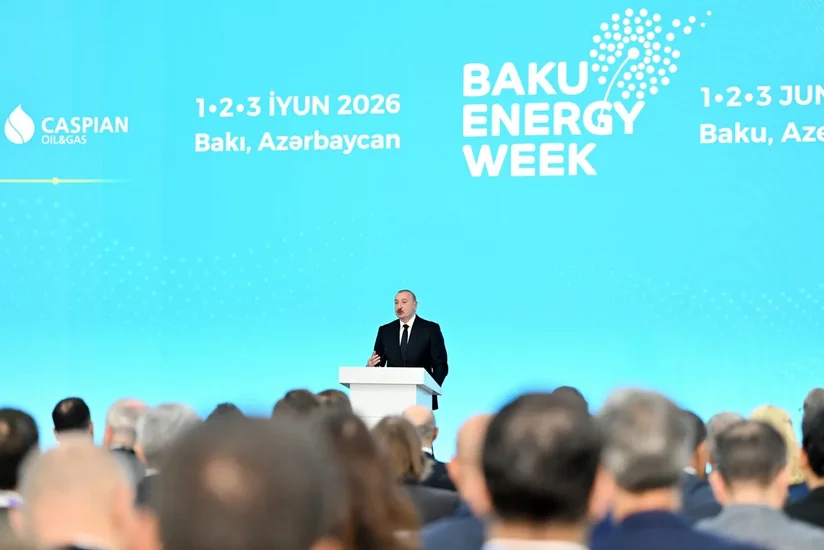
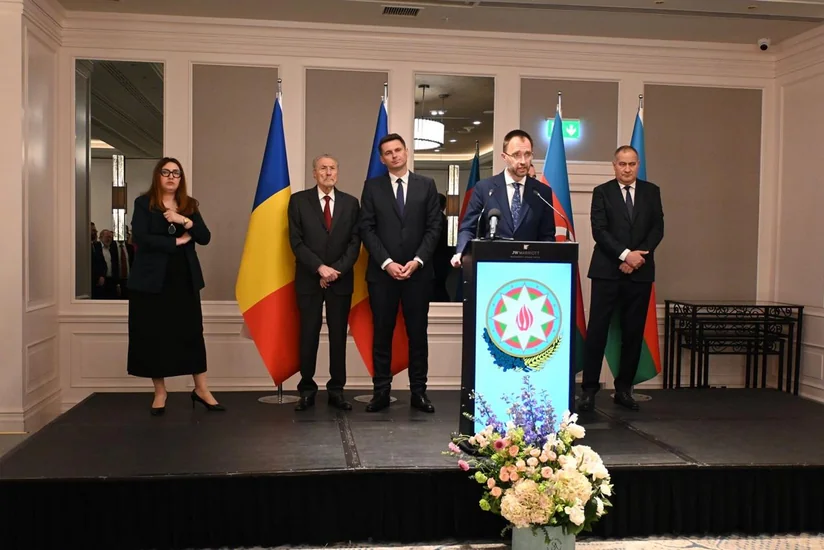
The Southern Gas Corridor (SGC) is one of the most massive and complex energy infrastructure projects of our time, stretching 3,500 kilometers from the Caspian Sea to Southern Europe. Initiated by Azerbaijan, the project has permanently altered the energy map of Eurasia by creating a new, independent route for natural gas supplies to European markets.
In the realities of 2026, against the backdrop of colossal destabilization in the Middle East and the threat of the Strait of Hormuz being blocked for liquefied natural gas (LNG) tankers, the SGC has de facto become the primary guarantor of energy stability for several European Union member states.
The Southern Gas Corridor is an integrated system of gas pipelines with an implementation cost exceeding $33 billion. The project consists of four inextricably linked segments:
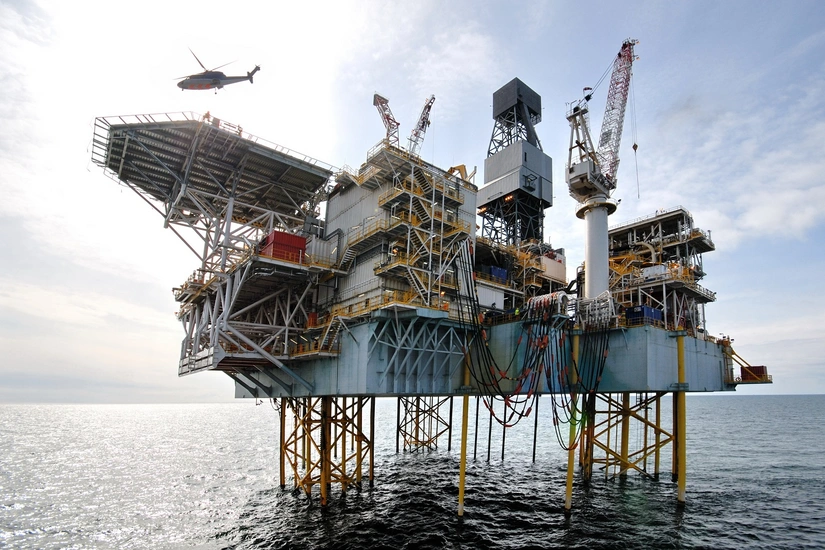
Shah Deniz Field Development (Stage 2): The resource base of the entire corridor. It is one of the largest gas-condensate fields in the world, located in the Azerbaijani sector of the Caspian Sea.
South Caucasus Pipeline (SCP): Runs from the Sangachal terminal near Baku across Azerbaijan and Georgia to the border with Turkey.
Trans-Anatolian Natural Gas Pipeline (TANAP): The central link of the corridor, spanning 1,850 km. It traverses the entirety of Turkey from the Georgian border to the Greek border. At this stage, a portion of the gas is offloaded for the needs of the Turkish domestic market.
Trans Adriatic Pipeline (TAP): The final segment. It crosses Greece and Albania, runs along the bottom of the Adriatic Sea, and comes ashore in Southern Italy, where the gas is integrated into the European gas distribution network.
The initial throughput capacity of the SGC was approximately 16 billion cubic meters (bcm) of gas per year (6 bcm for Turkey and 10 bcm for Europe). However, growing demand and a fundamental shift in the geopolitical landscape necessitated the acceleration of expansion plans.
In accordance with the Memorandum of Understanding on a Strategic Partnership in the Field of Energy signed between Azerbaijan and the European Union, an ambitious goal has been set: to double the export of Azerbaijani gas to Europe to 20 billion cubic meters by 2027.
To achieve this goal in 2026, active work is underway in the following areas:
Upgrading compressor stations along the TANAP and TAP routes.
Commissioning new gas fields in Azerbaijan (including Absheron, Karabakh, and the deep-lying strata of Azeri-Chirag-Gunashli), thereby expanding the resource base beyond Shah Deniz.
Developing the interconnector network. The successful launch of the IGB (Interconnector Greece-Bulgaria) pipeline has already allowed Azerbaijani gas to reach the markets of Bulgaria, Romania, Hungary, and Serbia. Next in line is the expansion of supplies to the Western Balkan countries.
The uniqueness of the SGC lies not only in the volume of gas supplied but also in its geopolitical independence. The route bypasses traditional transit hubs and conflict zones, directly connecting the producer (Azerbaijan) with consumers in the EU.
Against the backdrop of the March 2026 events, global energy market experts note that the Southern Gas Corridor has proven its absolute resilience. While global oil and LNG prices are subject to sharp fluctuations due to military risks in the Persian Gulf, SGC supplies are delivered strictly on schedule, ensuring pricing predictability and the physical security of volumes for European partners.
For Azerbaijan itself, the successful operation and expansion of the SGC mean long-term economic stability, an influx of multi-billion dollar investments, and the status of a key geopolitical player in the Eurasian space.

 Baku 27° C