South Pars / North Dome is an absolute phenomenon of global geology. Located in the waters of the Persian Gulf, it is the largest oil and gas field on the planet. Its depths hold approximately 8% of the world's natural gas reserves (over 50 trillion cubic meters) alongside colossal volumes of gas condensate.
However, in 2026, this geological giant represents not only an economic miracle but also a vivid illustration of how geopolitics dictates the fate of nations. The field is divided by a maritime border between two countries with fundamentally different political and economic trajectories: Qatar and the Islamic Republic of Iran.
Despite being a single geological reservoir, its development by the two states is proceeding along entirely different paths.
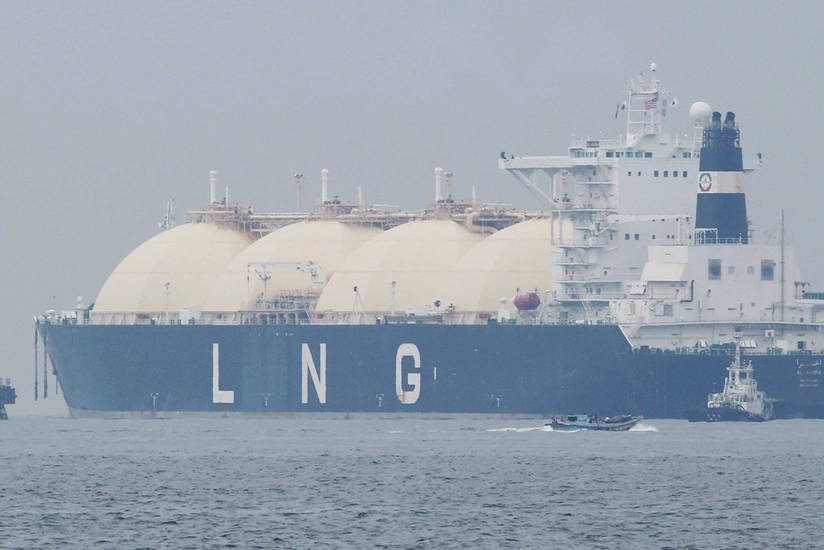
Qatar owns the lion's share of the reservoir (approximately 6,000 square kilometers). Relying on massive Western investments and cutting-edge technology from US and European companies, Doha has transformed its section of the field into a base for global dominance in the liquefied natural gas (LNG) market.
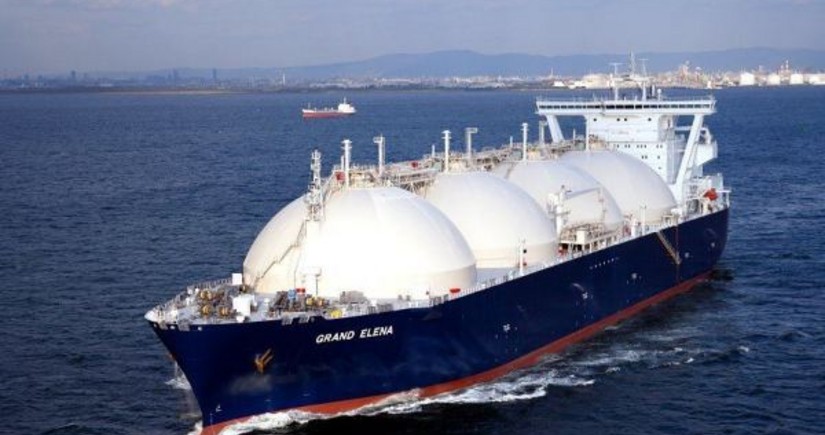
By 2026, Qatar is finalizing the key stages of its megaproject—the North Field Expansion. The commissioning of new production lines allows the emirate to increase its LNG export capacity from 77 to over 126 million tons per year. With Europe shifting away from Russian pipeline gas, it is Qatari LNG from the North Field that has become the primary guarantor of Eurasia's energy security.
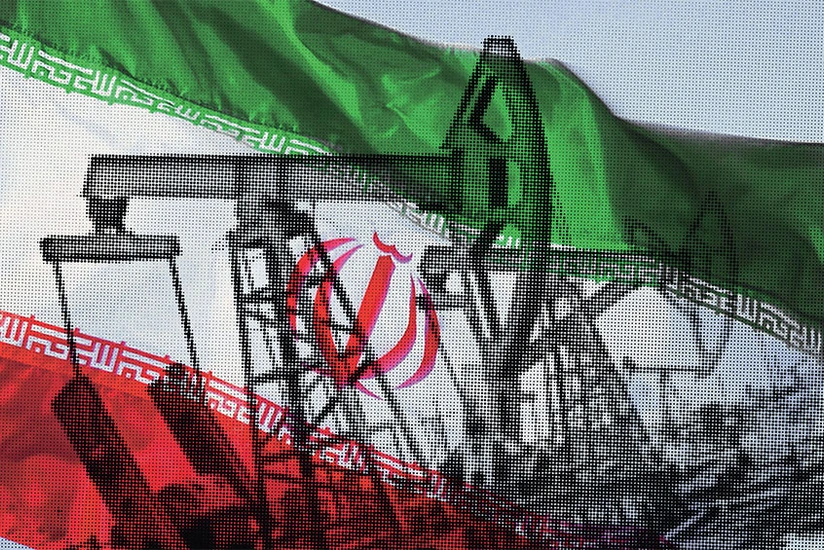
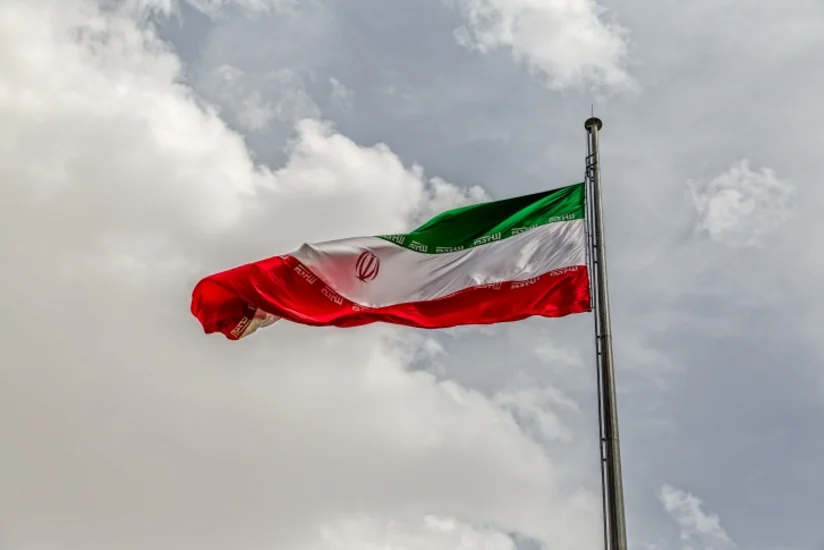
The Iranian section (approximately 3,700 square kilometers) is divided into 24 development phases. Unlike its neighbor, Tehran has spent decades developing South Pars under the weight of the most severe international sanctions.
A lack of access to Western investments, modern compressor platforms, and gas liquefaction technology has resulted in Iran directing the gas extracted from South Pars predominantly to its domestic market, with pipeline exports limited to Turkey and Iraq.
In 2026, Iran is facing a critical technological challenge: a natural drop in pressure within the South Pars reservoirs. To maintain production levels, Tehran requires multi-billion-dollar investments in pressure-boosting platforms. Iranian engineers are attempting to solve this issue internally and with the support of Asian partners, striving to prevent winter fuel shortages across the country.
For Azerbaijan and the CIS countries, the situation surrounding South Pars carries significant strategic importance.
Paradoxically, despite possessing the world's largest gas reserves, Iran periodically faces fuel shortages in its northern provinces due to a lack of technology and exceptionally high domestic consumption. This reality makes swap (exchange) gas contracts between Turkmenistan, Iran, and Azerbaijan absolutely vital.
While Qatari gas from the North Field sails on tankers to Europe and Asia, Iranian gas from South Pars remains landlocked within continental borders. Against this backdrop, Azerbaijan—possessing its own independent infrastructure via the Southern Gas Corridor—only continues to strengthen its position as a reliable and predictable supplier of energy resources to European markets.
The South Pars field remains the beating energy heart of the Middle East. Yet, its story in 2026 clearly proves a modern reality: in today's economy, possessing colossal underground reserves means little without advanced technology and open diplomacy.

 Baku 32° C