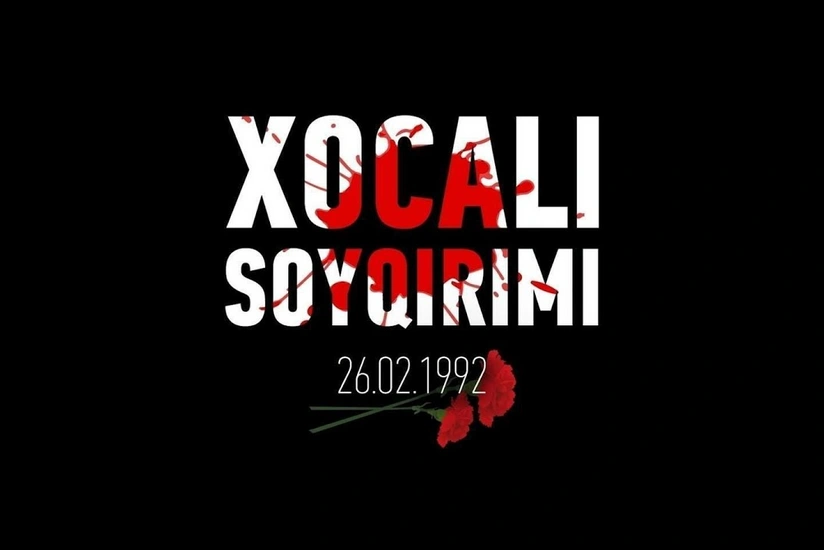
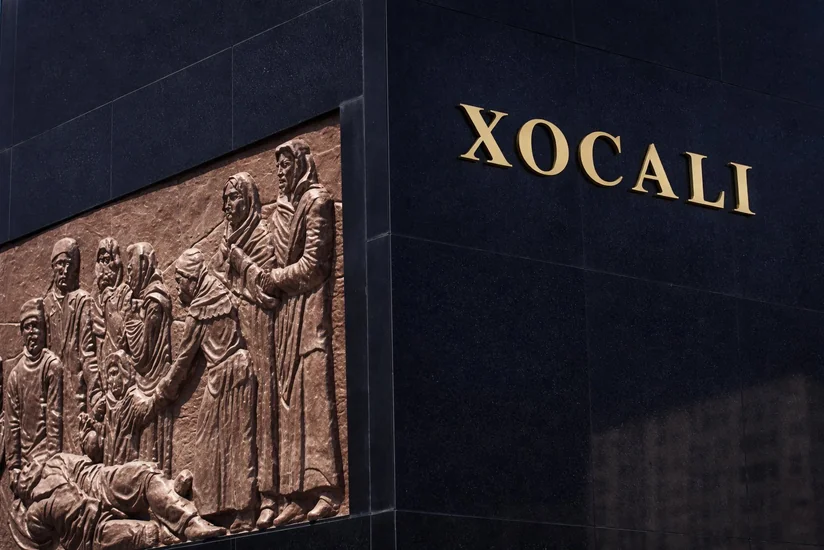
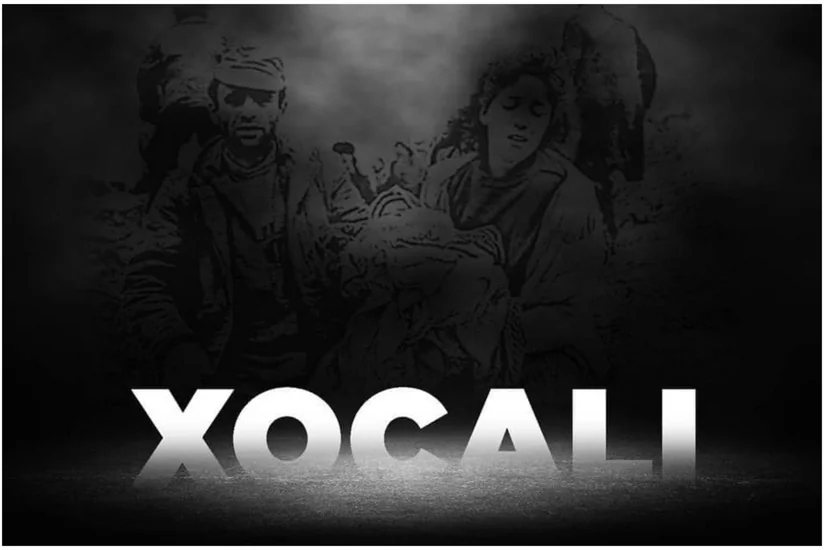
The Khojaly genocide is the mass massacre of the peaceful Azerbaijani population of the city of Khojaly, committed by Armenian armed formations with the participation of servicemen from the 366th Guards Motor Rifle Regiment of the CIS Joint Armed Forces on the night of February 25-26, 1992. This tragedy stands as the bloodiest and largest-scale crime against humanity committed during the First Karabakh War and remains an unhealed wound in the history of independent Azerbaijan.
This Report.az material aims to preserve objective historical memory, relying on documented facts, survivor testimonies, and official data from international organizations.
Before the conflict escalated, Khojaly was a developing city in the Karabakh region of Azerbaijan with a population of over 7,000 people. Its strategic importance was defined by its location at the intersection of major transport communications and the presence of the only airport in the entire Karabakh region. Consequently, controlling the city was a priority target for Armenian armed groups.
By the autumn of 1991, the city was under a complete blockade: road transport, electricity, and communication lines were cut off. The only supply route was by helicopters, but after a civilian helicopter was shot down over Shusha in January 1992, this final lifeline was severed.
The Night of the Tragedy: Late in the evening of February 25, 1992, a massive artillery bombardment of the city began. Immediately after, Armenian detachments, backed by heavy armored vehicles of the 366th Motor Rifle Regiment, launched an assault on Khojaly. The small garrison of local self-defense forces and police, equipped only with light firearms, could not withstand the onslaught of heavy military hardware. Attempting to escape the massacre, the civilian population was forced to flee into the freezing night through the forests toward Aghdam, which was controlled by Azerbaijani forces. However, on the approaches to the village of Nakhchivanli and the Askeran plain, they fell into pre-arranged ambushes and were mercilessly gunned down.
The aftermath of the Khojaly genocide is shocking in its cruelty. According to the official data of the Prosecutor General's Office of the Republic of Azerbaijan, the mass slaughter resulted in:
Killed: 613 people, including 106 women, 63 children, and 70 elderly individuals.
Families Destroyed: 8 families were completely wiped out.
Orphaned: 130 children lost one parent, and 25 children lost both parents.
Wounded and Maimed: 487 people, including 76 children.
Taken Hostage: 1,275 civilians (the fate of 150 of them, including 68 women and 26 children, remains unknown to this day).
The bodies of many victims were subjected to desecration, a fact documented by foreign journalists (including reporters from Reuters, The Times, and Le Monde) and international human rights organizations such as Human Rights Watch and the Memorial Human Rights Center.
The Azerbaijani state conducts consistent work to convey the truth about the Khojaly genocide to the global community. A key role in this process is played by the "Justice for Khojaly" international awareness campaign, initiated in 2008 by Leyla Aliyeva, Vice-President of the Heydar Aliyev Foundation.
Thanks to systematic diplomatic efforts, to date:
The parliaments of more than 15 countries (including Pakistan, Turkey, Mexico, Colombia, the Czech Republic, and Bosnia and Herzegovina) have officially recognized the events in Khojaly as a genocide or a crime against humanity.
Over 20 US states have adopted resolutions condemning the Khojaly massacre.
The Organization of Islamic Cooperation (OIC), comprising 57 member states, has recognized the Khojaly tragedy as genocide.
For a long 31 years, Khojaly remained under illegal occupation. Historical justice was restored in September 2023 when, following anti-terrorist measures of a local character, the Armed Forces of Azerbaijan fully restored the country's sovereignty over Karabakh, including Khojaly. On October 15, 2023, President Ilham Aliyev raised the State Flag of Azerbaijan in the center of the city.
Today, in 2026, Khojaly is experiencing a massive revival. Within the framework of the "Great Return" state program, the city is being cleared of landmines, its infrastructure is being rebuilt, and modern residential complexes and schools are being constructed. The surviving residents of Khojaly and their descendants are finally returning to their native homes.
However, the restoration of the city does not mean the tragedy is forgotten. The memory of the 613 innocent residents killed is forever etched into the national code of Azerbaijan. The Khojaly genocide remains a harsh lesson of history, reminding the entire world of the vital importance of preventing crimes against civilian populations.

 Baku 28° C