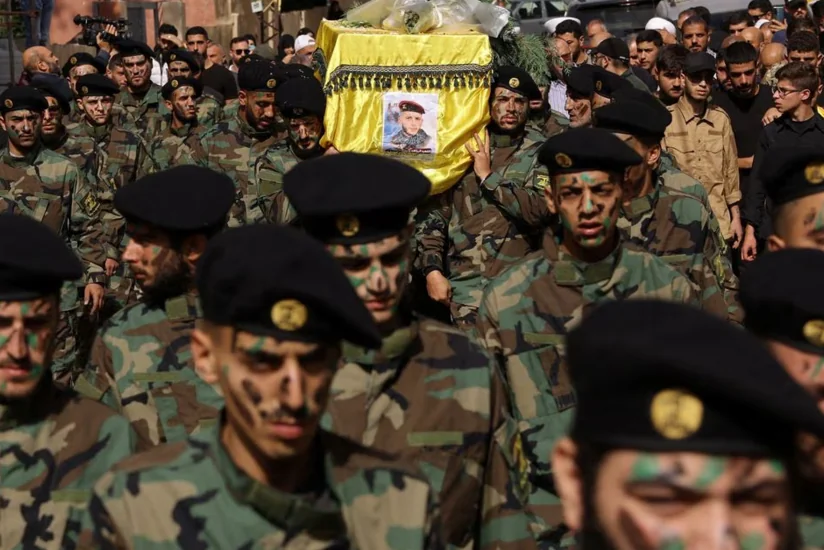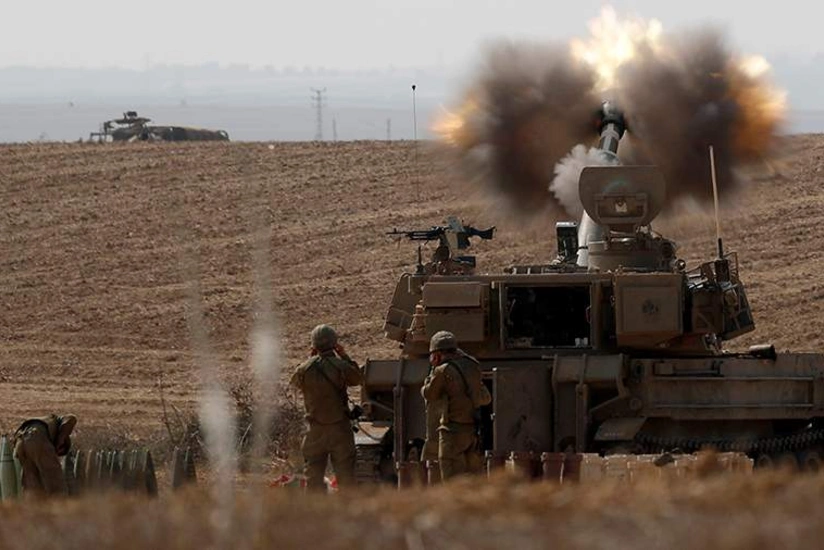
Hezbollah (Party of Allah) is a militarized Lebanese Shia organization and political party that serves as the central and most powerful element of Iran's "Axis of Resistance." Created in 1982 with the direct involvement of Iran's Islamic Revolutionary Guard Corps (IRGC), the group today represents an unprecedented phenomenon: a non-state actor whose military potential exceeds the armies of many sovereign nations in the region.
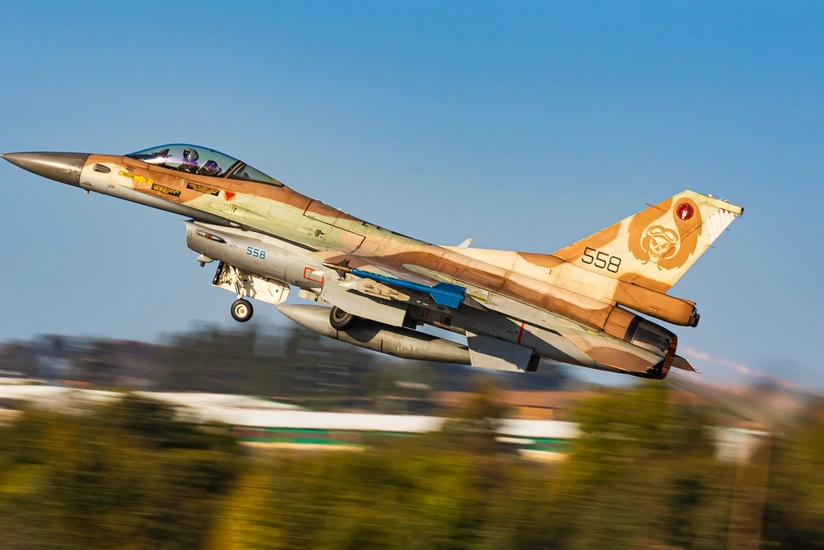
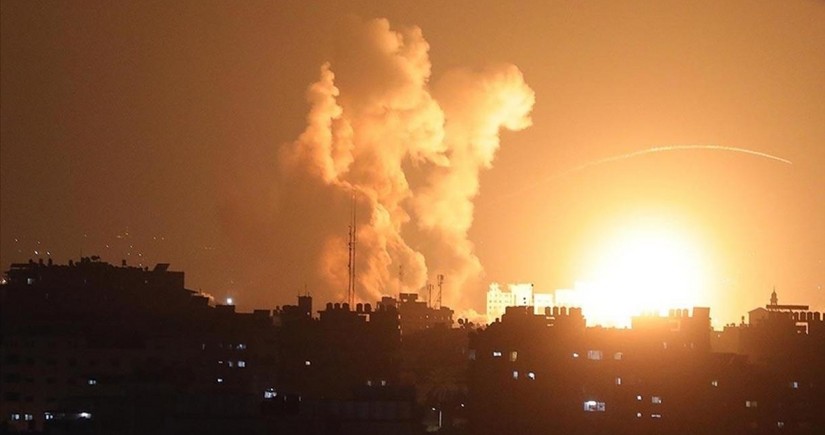
Against the backdrop of the March 2026 crisis, following the massive US and Israeli strikes on Iranian infrastructure, the entire world is anxiously watching Israel's northern border. Whether the conflict escalates into a full-scale regional war depends heavily on the decisions made by Hezbollah's leadership.
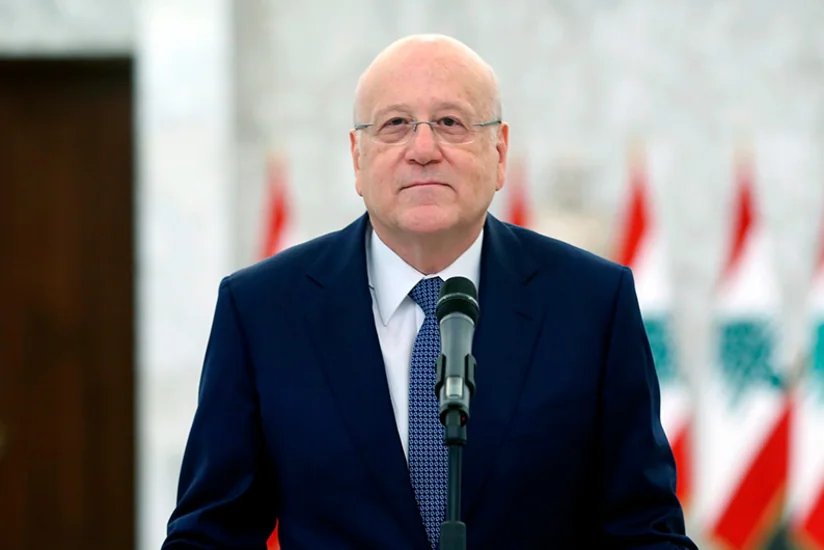
Within Lebanon, Hezbollah is legalized as a systemic political force. It has representatives in the parliament and the cabinet, and it holds a de facto veto power over key state decisions. The group manages its own network of hospitals, schools, and charitable foundations, securing a colossal social base among the Shia population in southern Lebanon, the Bekaa Valley, and the southern suburbs of Beirut (Dahieh).
However, on the international stage, the organization's status is drastically different. The US, Israel, the UK, Germany, the Arab League, and several other countries designate Hezbollah (in its entirety or its military wing) as a terrorist organization, accusing it of transnational terrorism, political assassinations, and illicit drug trafficking to finance its operations.
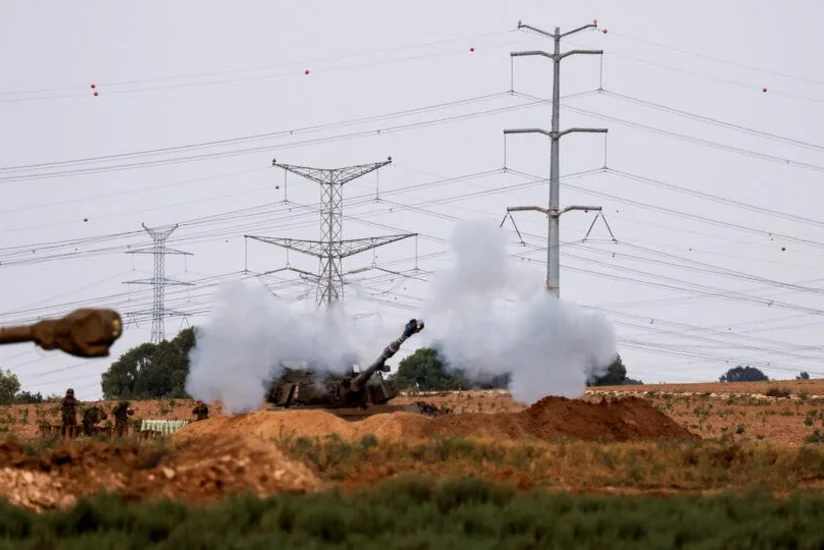
The primary threat posed by Hezbollah is its massive, constantly modernized arsenal. Despite suffering heavy losses to its command structure in late 2024, the group managed to rebuild its logistics and restore its combat capabilities with the assistance of Iran's Quds Force.
Hezbollah's military machine is based on three pillars:
Rocket Arsenal: According to military intelligence estimates, the group possesses over 150,000 rockets of various classes. The foundation consists of short-range unguided projectiles (the Katyusha family), but the main danger lies in its precision mid-range ballistic missiles (such as the Fateh-110 and Zelzal-2). These are capable of striking strategic targets (power plants, airports, military bases) anywhere in Israel with minimal margin of error.
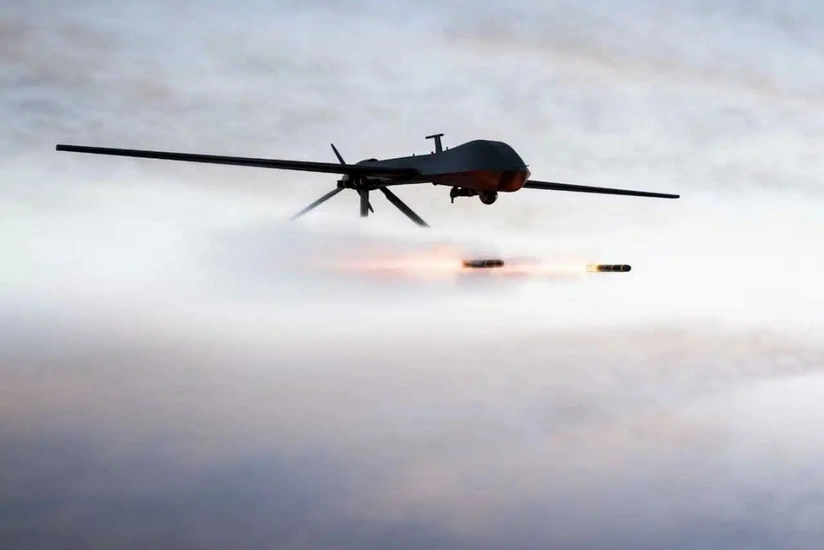
Strike Drones: The massive deployment of Iranian-designed kamikaze drones (analogous to the Shahed and Ababil series) is intended to deplete the Iron Dome and David's Sling air defense systems prior to a main missile barrage.
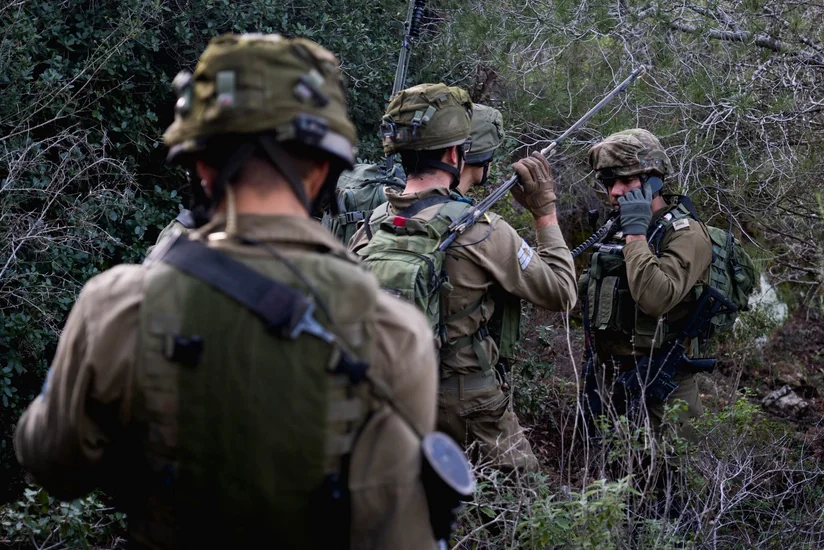
The Elite Radwan Unit: The group's special forces comprise thousands of highly trained and equipped fighters with real combat experience from the war in Syria. In the event of a conflict, their primary objective is to breach the border, seize settlements, and conduct sabotage warfare.
Following the unprecedented attack on Iran on February 28, 2026, Hezbollah is faced with the inevitability of fulfilling its alliance obligations. Under the doctrine of the "Unity of the Arenas" (the coordination of all of Tehran's proxy forces), the Lebanese group is viewed as the first echelon of the Iranian response.
Report.az military analysts highlight two possible scenarios:
War of Attrition: An intensification of daily rocket fire into Israel's northern territories without attempting a deep ground invasion. The goal is to paralyze the economy and keep hundreds of thousands of Israelis in a state of internal displacement.
Opening a Second Front: A massive missile barrage from Lebanon synchronized with the IRGC (thousands of rockets per day), aimed at overwhelming Israel's missile defense systems and destroying strategic infrastructure in Tel Aviv and Haifa. This scenario would inevitably lead to catastrophic consequences for Lebanon itself, whose infrastructure could be entirely obliterated by retaliatory strikes from the IDF and American aviation.
Currently, the Middle East is balancing on the brink. Hezbollah remains the deadliest non-state armed formation in the world, and any decision made by its leadership in these critical days will go down in modern history textbooks.

 Baku 28° C