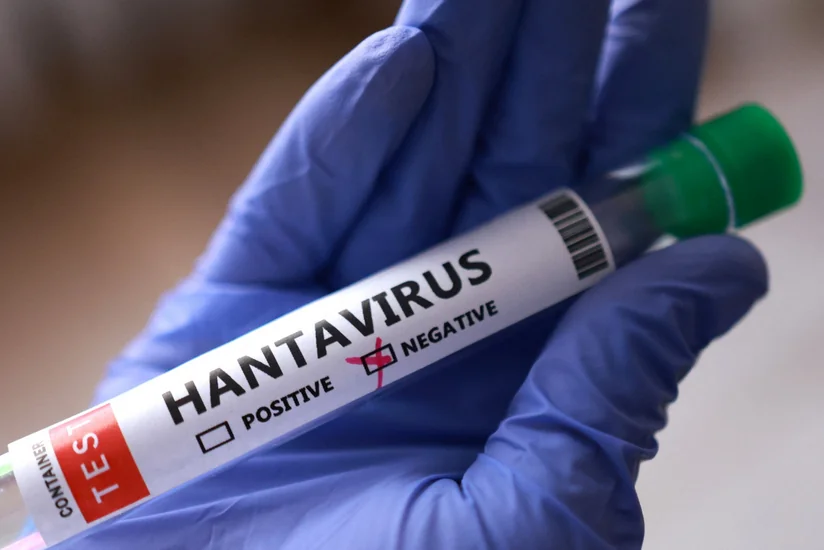
Hantaviruses are a family of viruses spread mainly by rodents. They can cause severe diseases in humans that, without timely medical care, can be life-threatening.
Depending on the geographic region, hantaviruses cause two main types of diseases:
This disease is prevalent primarily in Europe and Asia. Colloquially, it is often referred to as "mouse fever." * Target organs: Blood vessels and kidneys.
Early symptoms: Sudden high fever, chills, severe headache, muscle aches, weakness, blurred vision, redness of the face and eyes.
Late symptoms (as the disease progresses): Severe lower back pain (a sign of kidney damage), a sharp decrease in urine output, internal bleeding, and a drop in blood pressure.
This syndrome is found primarily in North and South America.
Target organs: Lungs and heart.
Early symptoms: Flu-like signs (fever, fatigue, muscle aches in the thighs, back, and shoulders).
Late symptoms: 4–10 days after the initial phase, severe coughing and shortness of breath develop (a feeling of suffocation as the lungs fill with fluid).
The main carriers are mice and rats (in Eurasia, often the bank vole). The rodents themselves do not get sick.
Airborne dust route (primary): Inhaling dust containing dried particles of infected rodent urine, droppings, or saliva. This most often happens when cleaning old barns, cabins, garages, attics, or during agricultural work.
Contact route: Touching contaminated surfaces (or rodent carcasses) and then touching the eyes, nose, or mouth with unwashed hands.
Alimentary route (Food/Waterborne): Consuming water or food contaminated by mouse secretions.
Bites: Infection through the bite of an infected rodent (this occurs rarely).
Important: Most hantaviruses are not transmitted from person to person. (The exception is the Andes virus in South America, where rare cases of human-to-human transmission have been documented during close contact).
Treatment: There is no specific antiviral drug or vaccine against hantaviruses. Treatment is supportive and must be administered in a hospital (often in an intensive care unit). It includes maintaining fluid and electrolyte balance, oxygen therapy (for lung damage), or hemodialysis (for severe kidney damage). If symptoms appear after contact with rodent habitats, you must seek medical attention immediately.
Prevention (Precautionary measures):
Rodent control: Prevent mice from accessing living spaces (seal cracks, do not leave food exposed, use mousetraps).
Proper cleaning: When doing spring cleaning in cabins, basements, or barns, never sweep with a dry broom or use a vacuum cleaner—this kicks dangerous dust up into the air.
Disinfection: First, ventilate the room well (for at least 30 minutes). Generously soak floors and surfaces with water mixed with a disinfectant (such as a bleach solution), let it soak in, and only then proceed with wet cleaning.
Protection: When working in dusty areas where mice might have been, always wear a respirator and rubber gloves.

 Baku 22° C