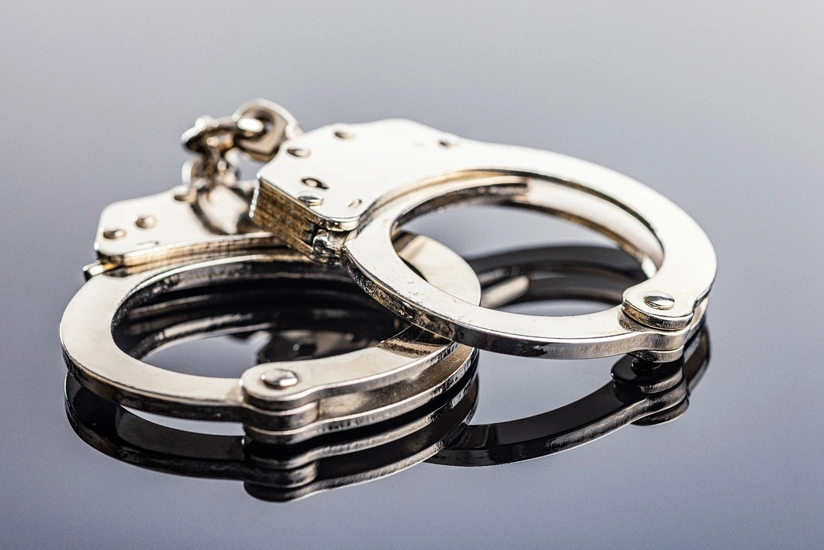
Frauds (Scams) is an intentional criminal act classified as the seizure of another person's property or the acquisition of the right to another's property through deception or the abuse of trust. A crime as old as time, it has undergone an unprecedented transformation in the modern era due to digitalization, evolving from traditional "street scams" into highly organized, global cyber networks.
In 2026, both in Azerbaijan and globally, fraud remains one of the primary categories of crime that law enforcement agencies actively combat. In this article, we provide a detailed analysis of the legal aspects of fraud, modern deception schemes, and effective ways to protect your assets.
Within the jurisdiction of the Republic of Azerbaijan, the crime of fraud is regulated by Article 178 of the Criminal Code. The legislation stipulates severe penalties for perpetrators, depending on the amount of damage caused and the public danger of the act:
Simple Fraud (Article 178.1): Punishable by a fine ranging from one thousand to two thousand manats (AZN), or public works from 360 to 480 hours, or correctional labor for up to two years, or restriction of freedom for up to two years, or imprisonment for the same period.
Aggravating Circumstances (Article 178.2): If the act is committed by a group of persons by prior conspiracy, repeatedly, by a person using their official position, or causing significant damage, the penalty becomes much stricter—from three to five years of imprisonment.
Large and Especially Large Scale (Articles 178.3 and 178.4): If the fraud is committed by an organized group, causing damage on a large scale (over 50,000 AZN) or an especially large scale (over 500,000 AZN), the criminals face severe measures, including imprisonment for a term of ten to fourteen years.
While classic fraud (selling property with forged documents, failing to repay debts) has not disappeared, the vast majority of crimes today occur in the virtual space. According to the Ministry of Internal Affairs of Azerbaijan and cybersecurity experts, the following schemes are the most prevalent:
Artificial Intelligence (AI) and Deepfakes: Criminals use neural networks to clone the voice and video image of people (relatives, friends, or well-known executives), sending messages or making calls via WhatsApp and Telegram under the pretext of "urgently needing money."
Social Engineering and Bank Vishing: Posing as bank security personnel, postal workers (e.g., Azerpoct), or police officers, scammers call citizens and, under the guise of "preventing a theft from the account," demand the SMS confirmation code (OTP) or the card's CVV code.
E-commerce Scams: Posing as buyers on classified platforms like Tap.az and Bina.az, attackers send sellers phishing links for a fake "safe transaction" or "courier delivery." As soon as the citizen enters their card details via the link, their account is instantly emptied. This category also includes fake Instagram boutiques that take a 100% upfront payment and disappear.
"Easy Money" and Investment Pyramids: Schemes promising massive returns in a very short time on cryptocurrency exchanges, Forex, or fake investment funds often lead to citizens losing enormous sums of money.
Fraud is a crime that targets human psychology (fear, haste, greed) rather than technological vulnerabilities. Experts highly recommend adhering to the following golden rules:
Never rush: If the caller tries to intimidate you (for example, saying "your card will be blocked right now"), immediately hang up the phone and call your bank's official hotline yourself (the number is always printed on the back of the card).
Protect your data: To receive a money transfer, you only need to provide the 16-digit card number. The card's expiration date, the 3-digit CVV code on the back, and SMS confirmation codes must never be shared with anyone, not even a bank employee.
Be skeptical of links: Do not click on suspicious links sent via SMS or WhatsApp (e.g., "pay a small customs fee for your parcel delivery"). Carefully check the URL of the webpage before entering any personal or financial data.
If you realize you have become a victim of scammers or your bank card details have been compromised, every second counts. You must act promptly:
Immediately contact your bank or block the card yourself using your Mobile Banking application.
Promptly report the crime by calling the "102" service of the Ministry of Internal Affairs of the Republic of Azerbaijan.
File an official police report at your local police station, making sure to save all chat logs, voice messages, phone numbers of the attackers, and payment receipts as evidence

 Baku 25° C