 Baku 31° C
EU extends sanctions on Belarus
- 26 February, 2026
- 21:10
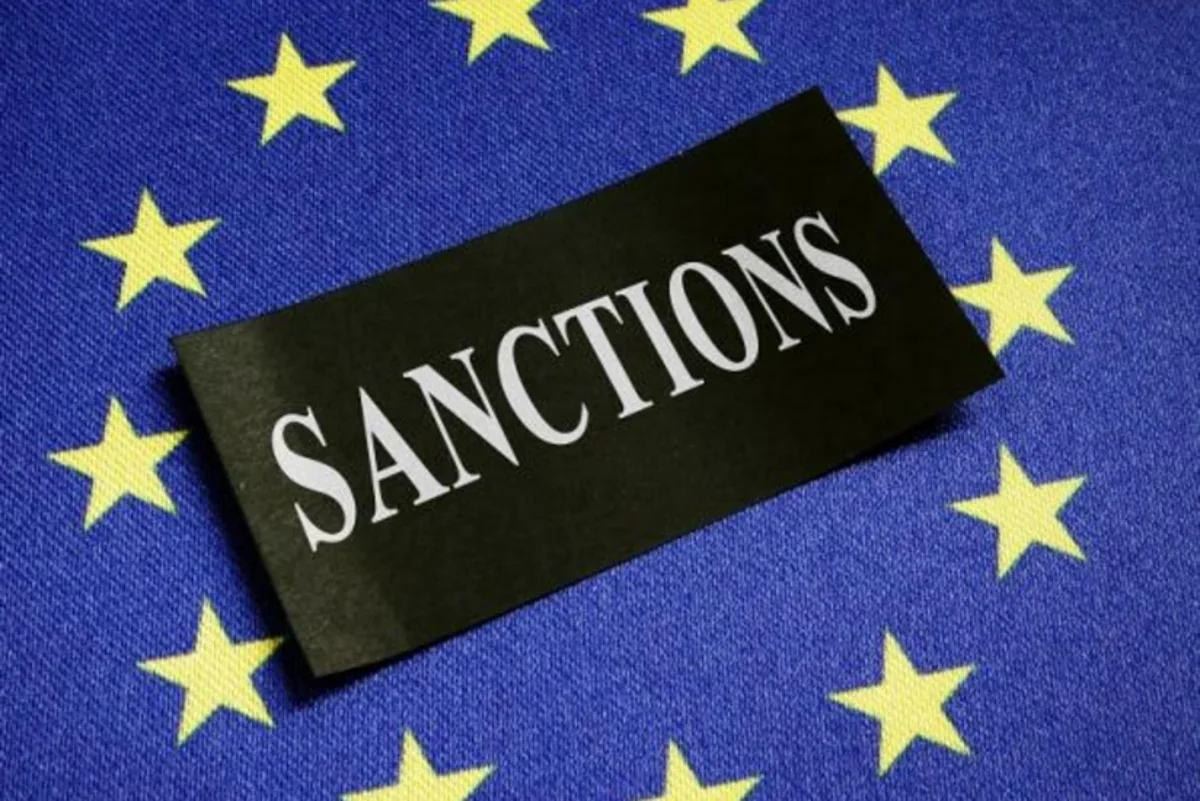
The Council of the European Union on Thursday decided to extend sanctions on Belarus for another year without changes, Lithuania's Foreign Ministry said, Report informs via LRT.
The measures will remain in force in their current scope, including restrictions on Belarusian potash fertilizers, an issue that has raised concern in recent months.
Sanctions against the government of authoritarian President Alexander Lukashenko were imposed over domestic repression, Belarus' active support for Russia's full-scale war against Ukraine and hybrid attacks against European Union member states.
"Belarusian authorities' policy is not changing: civil society continues to be persecuted, Belarusian and foreign citizens are taken hostage and imprisoned for absurd reasons, and new hybrid attacks are being organized against our partners and us," Lithuanian Foreign Minister Kęstutis Budrys said in a statement.
"Belarusian territory is being used for military purposes – Russian soldiers are treated there, children abducted from Ukraine are indoctrinated, and military infrastructure is used to bypass Ukraine's air defenses," he added.
According to Budrys, the EU decision reflects the bloc's shared determination to maintain pressure on the government responsible for serious international crimes.
Currently, sanctions apply to 312 Belarusian individuals and 57 companies and organizations. Their assets in the EU are frozen, EU citizens and businesses are prohibited from conducting financial transactions with them, and listed individuals are barred from entering the bloc.
Broader economic sanctions targeting trade, finance, transport and energy are also in place, aimed at cutting government revenues and preventing sanctions circumvention.
In mid-December, US President Donald Trump's envoy, John Coale, reportedly reached an understanding with Lukashenko's administration on the release of some political prisoners and the lifting of US sanctions on Belarusian potash fertilizers.
The development prompted speculation that Washington could pressure the EU and Lithuania to allow the resumption of fertilizer transit through the port of Klaipėda.
Potash produced by Belarusian fertilizer giant Belaruskali was transported through Lithuania and the port of Klaipėda until February 2022, when Lithuania halted shipments, citing US sanctions and national security concerns.
Belaruskali filed a claim in international arbitration last December, seeking $12.09 billion in damages from Lithuania.
The EU later imposed its own sanctions on Belarusian fertilizers. The bloc is set to decide later this month on extending those specific measures.
Author