
 Baku 25° C
Rapid urban growth in Central Asia raises water security concerns
- 18 May, 2026
- 17:53
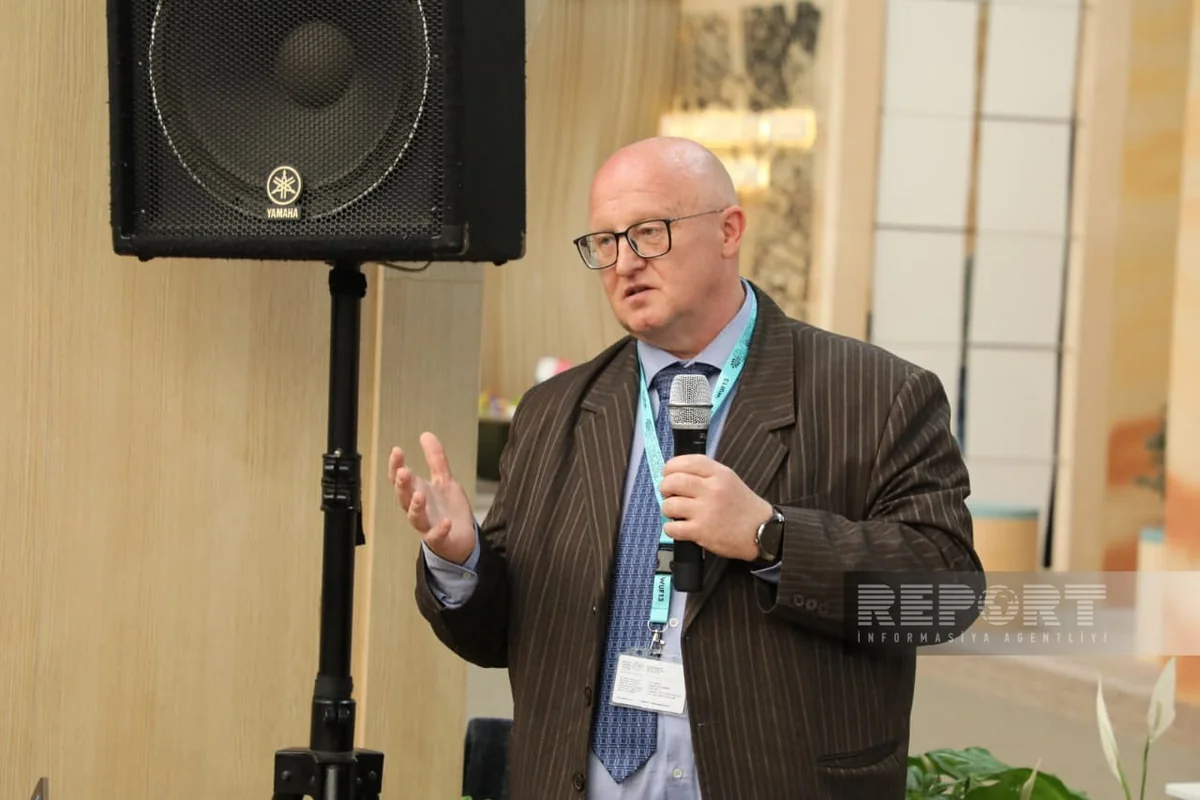
Rapid urban expansion in Central Asia is creating serious challenges for regional water security, said Alexandr Nikolayenko, representative of the International Water Management Institute (IWMI) in Uzbekistan.
According to Report, he made the remarks during an event titled "Regional Perspectives on Sustainable Housing Finance for Accelerating SDG Implementation," held within the 13th session of the World Urban Forum (WUF13) in Baku.
Nikolayenko noted that urbanization has become a strategic issue for water management systems across the region.
"In the last 20 years, our urban population has increased by more than 14 million people, and every year another 650,000 people move to cities," he said. He added that Central Asia has a population of around 80 million, evenly split between urban and rural areas, with seven major cities exceeding one million residents, including Tashkent and Almaty.
He emphasized that the region faces growing pressure on water resources, particularly in major river systems.
"Central Asia is largely an arid region. Around 90% of water is used for agriculture and food security, 4–6% for industry, and only about 4% for domestic use," he said, noting that urban areas are increasingly affected by water shortages and poor-quality supply.
He also pointed to declining water availability in key rivers such as the Amu Darya and Syr Darya, stating that over the past 20 years, water resources have decreased by around 15% in the Amu Darya basin and 10% in the Syr Darya basin.
"There is no additional water available anymore, and existing resources are being used inefficiently both in agriculture and urban areas," he concluded.
Author