
 Baku 34° C
Morocco to implement pilot climate-resilient housing neighborhood project
- 19 May, 2026
- 13:04
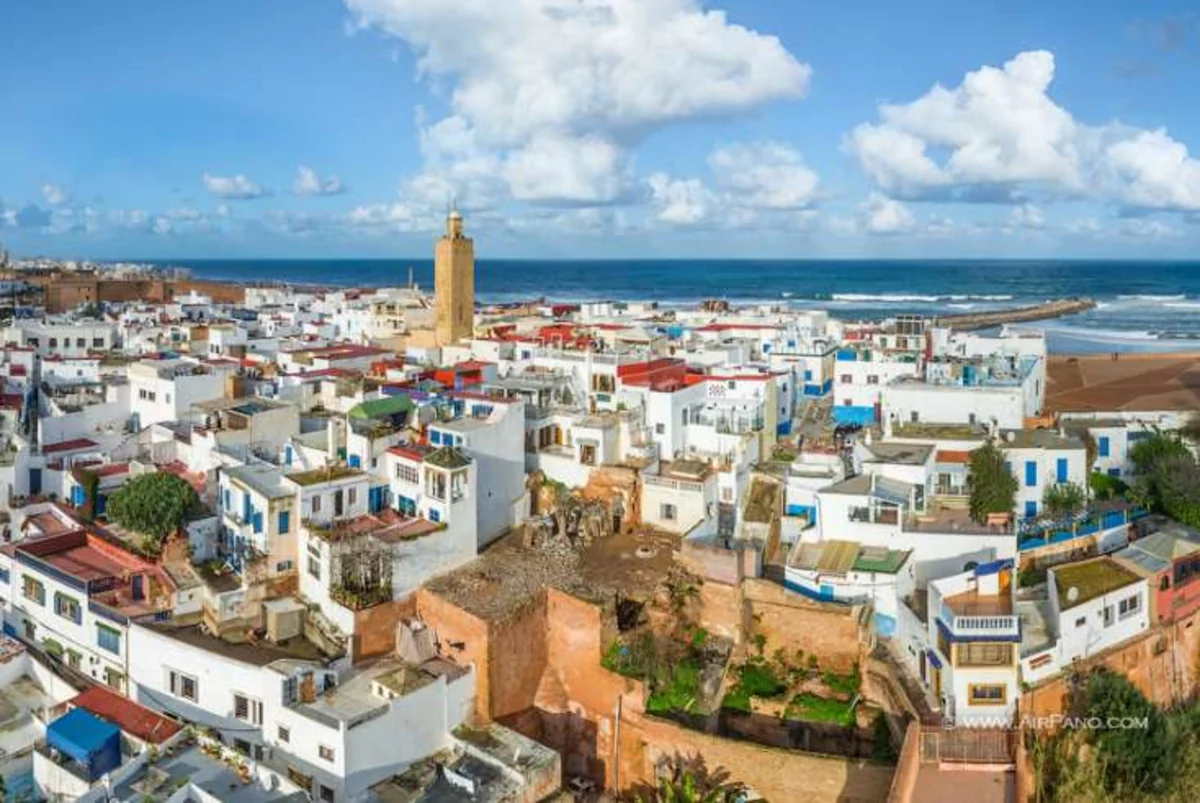
A pilot project on climate-resilient residential neighborhoods is being developed in Morocco, announced Ilyas Essabai, Head of the Professional Relations Division of Morocco's Ministry of National Territory Planning, Urban Development, Housing and Urban Policy, at the event "Nature-based solutions for sustainable Arab cities: From local action to urban transformation" organized within the framework of the 13th session of the World Urban Forum (WUF13) held in Baku, Report informs.
According to him, this project is being developed within the framework of an adaptation plan: "The project is aimed at strengthening the climate change resilience of residential neighborhoods in a pilot region of Morocco. The project is led by our Ministry in partnership with the UN Human Settlements Programme (UN-Habitat Morocco) and is supported by the Adaptation Fund. After the approval of the concept document, we are currently working on the preparation of a project document (ProDoc) aimed at determining more detailed information about the implementation and components of the project. Within this perspective, preliminary work to identify vulnerable neighborhoods has already been carried out in close coordination with the relevant municipalities. And this work is based on a structured methodology relying on several criteria for selecting those neighborhoods."
"Thus, within the framework of this pilot project, we aim to go beyond conventional approaches and integrate nature-based solutions as a fundamental, baseline level for territorial resilience. That is, the solutions we are considering include greening measures, rain gardens, vegetated swales (channels), natural rainwater management systems such as green roofs, water capture and infiltration solutions, as well as some other interventions involving soil stabilization and reduction of landslide risks through adapted plantations. These approaches offer multiple benefits. They can help reduce flood risk runoff, improve rainwater infiltration, limit soil erosion, and strengthen the resilience of local communities against extreme climate events. They also help reduce costs associated with damage caused by climate change in the long term."
Author