
 Baku 5° C
Azerbaijan has requested to participate in or observe several NATO exercises in 2026 - INTERVIEW
- 15 December, 2025
- 14:16

For more than 30 years, Azerbaijan has maintained and developed its partnership with the North Atlantic Treaty Organization (NATO). Since the beginning of this cooperation, the country has actively taken part in joint exercises and alliance programs, contributing to the exchange of experience and the advancement of security standards. NATO officials, including high-level missions, regularly visit Azerbaijan: in March 2024, the then NATO Secretary General, Jens Stoltenberg, visited Baku, underscoring the importance of bilateral ties.
To further expand the partnership, NATO has decided to establish contact point embassies in Azerbaijan. For 2025–2026, the role of these missions is being carried out by the diplomatic representations of Sweden and Slovakia in Baku, which provide a link between partner countries and NATO, and support the exchange of expertise, consultations and the organization of joint initiatives.
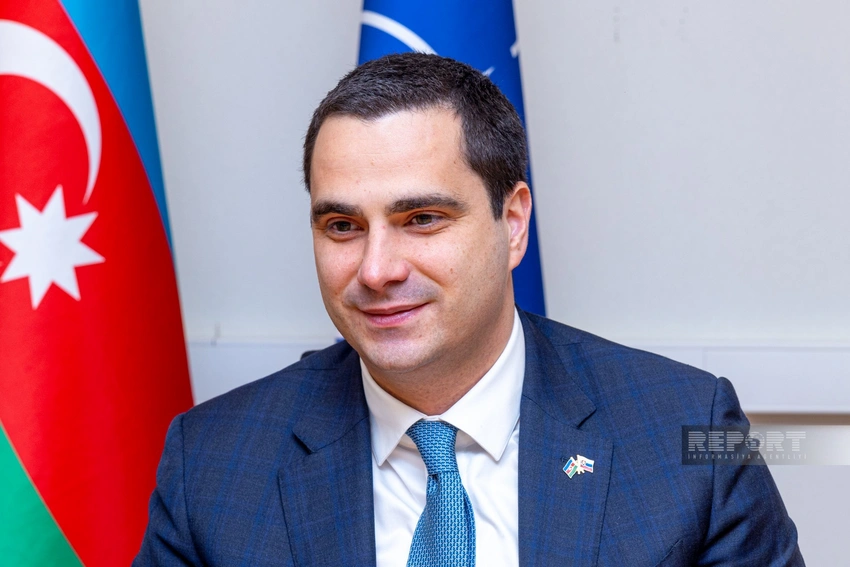
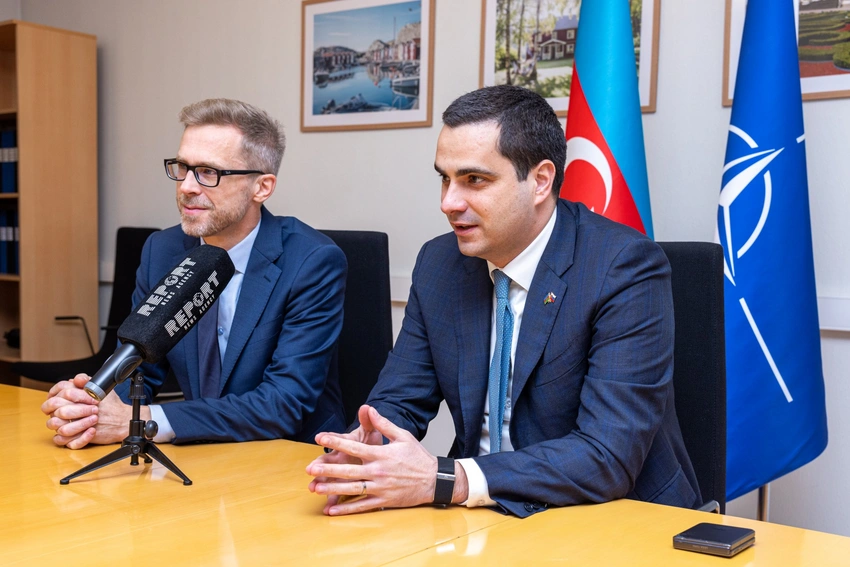
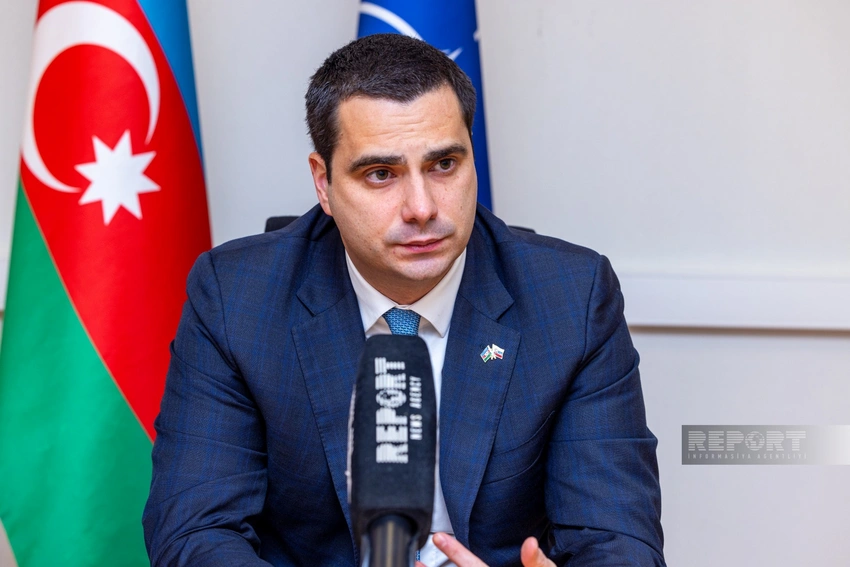
The ambassadors heading NATO's contact point embassies in Azerbaijan - Elčin Gasymov (Slovakia) and Tobias Lorentzson (Sweden) - spoke in an exclusive interview with Report about the current state of the partnership, the key areas of work of the contact missions, and their role in facilitating visits and dialogue between Azerbaijan and NATO.
A NATO delegation recently visited Azerbaijan. What was the primary purpose of the visit, and what concrete outcomes were achieved?
Amb. Lorentzson: That's correct. A delegation of NATO Permanent Representatives from 15 NATO Allies, including Sweden and Slovakia, recently visited Baku and held meetings with President Ilham Aliyev, Foreign Minister Jeyhun Bayramov and the Assistant to the President Hikmat Hajiyev. The visit also included a lunch with Deputy Foreign Minister Fariz Rzayev, a discussion with foreign policy experts, an exchange of views with the EU Ambassador and her team at the House Museum of the Nobel Brothers, as well as a visit to ADA University.

Discussions covered a broad range of issues, including the further deepening of NATO-Azerbaijan relations, regional security and connectivity as well as the peace and normalisation process between Azerbaijan and Armenia.
In 2025–2026, the Embassies of Slovakia and Sweden in Baku are acting as NATO Contact Point Embassies. What responsibilities will your diplomatic missions assume in this role, and what practical implications could this have for strengthening Azerbaijan's cooperation with the Alliance?
Amb. Gasymov: The main task of a NATO Contact Point Embassy is to support NATO's partnership activities and outreach efforts in – and in close cooperation with – the host country. In Azerbaijan, the Embassies of Slovakia and Sweden help NATO reach out to Azerbaijani audiences to explain what NATO is all about and what the benefits are of Azerbaijan's partnership with NATO.
For example, we have facilitated several visits from NATO Headquarters and the NATO Liaison Office in Georgia (with a regional South Caucasus mandate). We note with great satisfaction that the number of such visits is steadily increasing. We have also helped organize a public diplomacy event at ADA University with Azerbaijani students and representatives of civil society, and we regularly share information about ongoing NATO-Azerbaijan cooperation, including the many activities conducted by NATO Mobile Training Teams in Azerbaijan. In the future, we also hope to be able to reach out to the broader public outside Baku.
Is there any possibility of opening a NATO representative office in Azerbaijan?
Amb. Lorentzson: NATO has one Liaison Office in the South Caucasus, and it is located in Tbilisi. This office covers not only Georgia but also Azerbaijan and Armenia. There are currently no plans to open a similar office in Baku.
Which areas of NATO-Azerbaijan cooperation do you view as priorities for the next three to five years?
Amb. Gasymov: Cooperation between NATO and a partner country is very much demand-driven, and determined by both the priorities of the partner country and the Alliance's interests.
Azerbaijan is a committed partner and cooperates with NATO Allies and other partner countries in many areas, including defence and related security sector reform, cyber security, and counterterrorism. Azerbaijan has a long-standing interest in support to de-mining as well as the protection of critical energy infrastructure, including against terrorist attacks. Azerbaijan also contributed significantly to NATO-led missions and operations in Kosovo and Afghanistan, and maintains a notable presence in NATO military structures through the Partnership Staff Posts initiative.
Azerbaijan aims to bring its armed forces closer to NATO standards. What initiatives or support mechanisms does the Alliance envisage in this direction?
Amb. Lorentzson: You are right, building the capabilities and interoperability of Azerbaijan's armed forces with the Alliance is a key focus area for NATO's partnership with Azerbaijan. Azerbaijan's participation in the NATO Partnership for Peace Programme since 1994 has allowed NATO and individual Allies to assist Azerbaijan in developing selected units to improve interoperability with the Alliance. Within the programme, Azerbaijan develops units in accordance with NATO standards, organises force contributions for NATO-led peace-support operations abroad, and prepares a range of other capabilities for potential future missions in which Azerbaijan may decide to participate.
How does NATO assess the current situation in the South Caucasus, particularly regarding the peace process between Azerbaijan and Armenia following the August 8 meeting in Washington?
Amb. Gasymov: NATO welcomes the recent completion of negotiations on the peace agreement between Armenia and Azerbaijan, and looks forward to the treaty being signed and ratified. This is a significant step forward in the normalisation process and a boon to regional security.
What visits by NATO officials can be expected in 2026? Is an official visit to the South Caucasus - specifically to Azerbaijan - by NATO Secretary General Mark Rutte under consideration?
Amb. Lorentzson: There are regular political high-level contacts between NATO officials and Azerbaijani counterparts, and these are expected to continue in 2026.
Is the participation of Azerbaijani military personnel in NATO exercises planned for 2026?
Amb. Gasymov: Azerbaijan has participated in numerous NATO exercises in recent years, and has also requested to participate in or observe several NATO exercises in 2026.

The position of NATO Secretary General's Special Representative for the Caucasus and Central Asia is currently vacant, with the selection process ongoing. Is there any progress on this matter, and how important is the timely appointment of this representative for NATO's regional engagement?
Amb. Lorentzson: The selection process is ongoing and we hope that we soon will have a new Special Representative for the region. The appointment will be an important opportunity to further strengthen NATO's partnership with Azerbaijan and the wider South Caucasus.
Thank you for the interview!
Author

Photo