
 Baku 27° C
Azerbaijan scores big diplomatic victory with dissolution of Minsk Group - Analysis
- 01 December, 2025
- 14:10

Although the OSCE Minsk Group was established in March 1992 to seek a peaceful resolution to the Nagorno-Karabakh conflict, it failed for many years to produce effective results in returning occupied territories and restoring Azerbaijan's territorial integrity.
Initially, the group included Azerbaijan, Armenia, Belarus, Germany, Italy, Russia, Türkiye, Sweden, Finland, and the United States. Later, France joined, bringing the total number of participating countries to 13.
The formal co-chairmanship institution was established in December 1994 during the Budapest Summit. However, in practice, it failed to curb Armenia's military aggression. Although a ceasefire between Armenia and Azerbaijan was reached on February 21, 1994, through OSCE mediation, no tangible progress was made toward the return of the occupied territories.
In July 1997, during an official visit to France, Azerbaijani President Heydar Aliyev met with then-French President Jacques Chirac and reached an agreement on the peaceful resolution of the Nagorno-Karabakh conflict and strengthening the Minsk Group's activities. Nevertheless, over the following years, the group's mediation did not result in the full realization of Azerbaijan's rights.
While the Minsk Group's efforts facilitated dialogue, they are considered ineffective in terms of upholding international law and restoring Azerbaijan's territorial integrity.
Ineffective Mediation
For a long period, the co-chairs of the Minsk Group-namely the United States, Russia, and France-effectively dominated the organization's activities, limiting the ability of other member countries to influence its work. This seriously undermined the group's neutrality and its potential for effective mediation.
The prolonged dominant role of the co-chairs hindered concrete and swift steps toward the return of occupied territories and the restoration of Azerbaijan's territorial integrity. At the same time, the voting rights and influence of other member states, such as Germany, Türkiye, and Italy, were practically restricted, weakening Azerbaijan's potential for international support.

This approach created diplomatic difficulties for Azerbaijan, as the imbalance in the group's decision-making process prevented equal opportunities for all parties and reduced the international response to Armenia's occupation policies. The resulting situation significantly diminished the Minsk Group's effectiveness, leaving Azerbaijan's rights insufficiently protected and causing long delays in the return of territories that had been under occupation for many years.
The Minsk Group also faced structural issues. Due to its consensus-based decision-making mechanism, the organization was often limited to passive and performative diplomacy. In reality, it would have been more effective to carry out substantive diplomatic actions, which could have contributed to resolving the conflict.
The group operated with double standards: while more forceful diplomatic interventions and pressure mechanisms were applied in other regions, such decisive measures were not taken in the Nagorno-Karabakh conflict. Even former US co-chair Carey Cavanaugh admitted that the Minsk Group was structurally weak. According to some analysts, the group is a "relic of a unipolar world" and has often been deprived of real diplomatic influence.
Official Baku's Legitimate Concerns – Pro-Armenian Bias
One key issue relates to the co-chair countries. The differing geopolitical interests of co-chairs such as the United States, France, and Russia have been major obstacles to a peaceful resolution of the Nagorno-Karabakh conflict. The interests of the group's co-chair countries often did not align with those of Azerbaijan or Armenia. This led to consensus-based decision-making, which made the adoption of real, structured peace agreements difficult.
At the same time, for each co-chair country, advancing its own geopolitical interests took precedence over resolving the Azerbaijan-Armenia conflict.
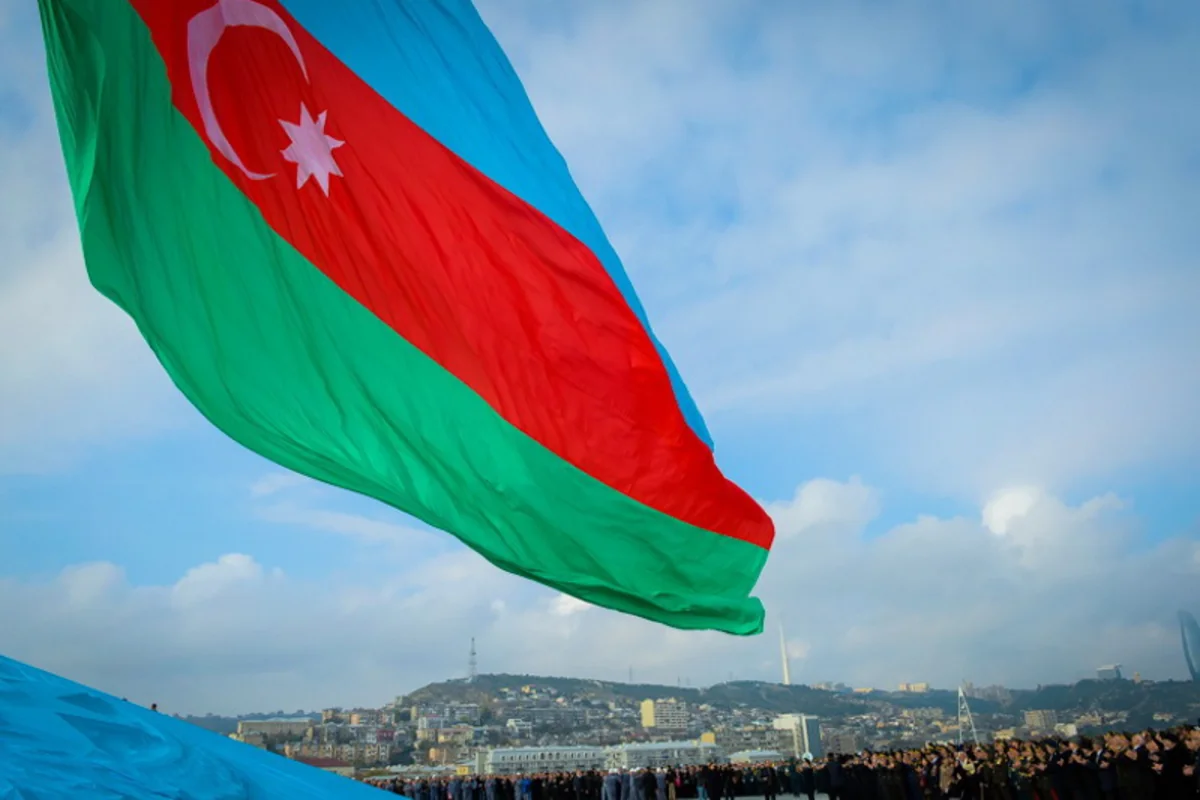
Furthermore, the group's pro-Armenian stance was another legitimate reason for Baku's dissatisfaction. The Minsk Group primarily served to maintain the status quo; despite numerous negotiations, it did not produce fair and unanimous decisions. This reveals its double standards and its tendency to side more often with Yerevan.
The many negotiations and visits yielded no tangible results, indicating that the Minsk Group acted more as a tool for vested interests than as a facilitator of genuine peace. This approach led not to conflict resolution but to a frozen conflict and preservation of the status quo.
The proposed models, including the "Common State Model," the 2001 Kazan Principles, and the 2007 Madrid Principles, clearly demonstrated the group's bias and disregard for international law from Azerbaijan's perspective. The Common State Model, in particular, sought to legitimize Armenian influence by restricting Azerbaijan's sovereignty over its occupied territories.
The Kazan Principles presented the issues of territorial integrity superficially and did not ensure the immediate return of occupied territories, falling short of the international legal preference for Azerbaijan's territorial integrity. The Madrid Principles, despite years of negotiations, effectively attempted to legitimize Armenia's occupation as a legal status and severely restricted Azerbaijan's rights. Azerbaijan strongly objected to these proposals, emphasizing that none guaranteed the immediate liberation of occupied lands and that the peace process was being prolonged to favor Armenia's interests.
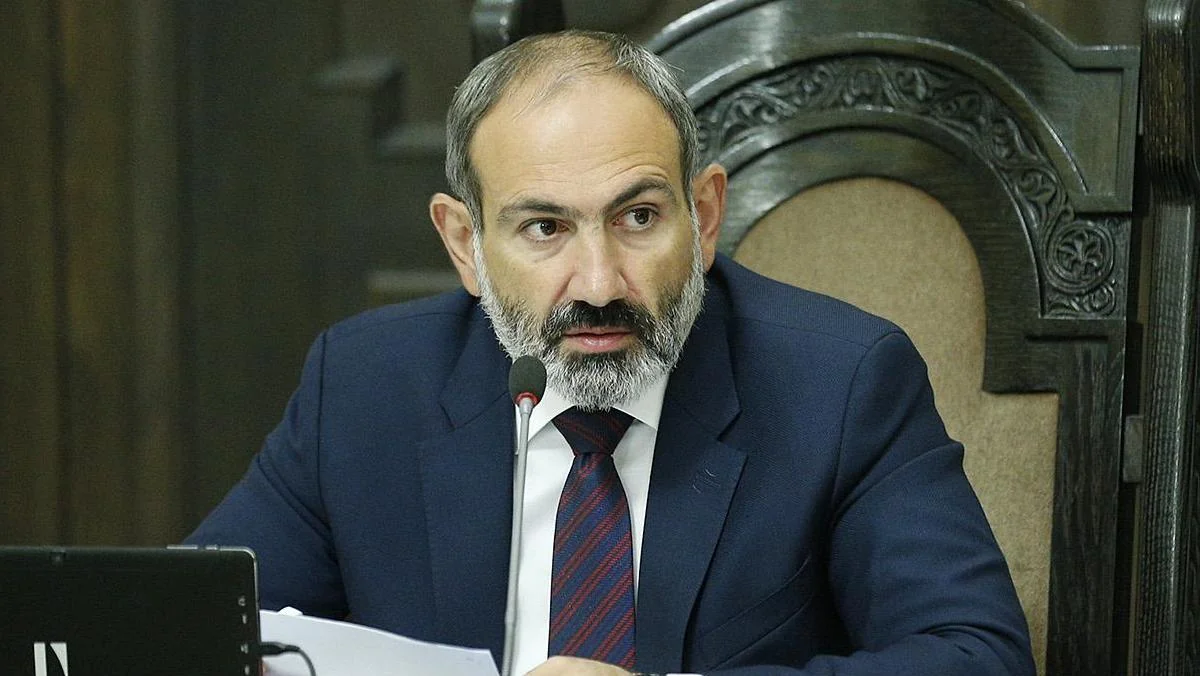
At the same time, escalating tensions along the contact line, coupled with the absurd statements of Nikol Pashinyan"s government, which came to power in 2018 with support from Soros, prompted Azerbaijan to act. As a result of the 44-day war in 2020, the occupied territories were liberated, and the geopolitical balance of the region shifted.
Thus, Azerbaijan"s ability to unilaterally implement UN Security Council resolutions and achieve, in just 44 days, what the OSCE Minsk Group had failed to accomplish over 27 years demonstrated that the ineffectively functioning group should now be dissolved.
Dissolution of the Minsk Group – A Legal and Diplomatic Victory for Azerbaijan
In December 2020, during a meeting with the co-chairs of the Minsk Group, Azerbaijani President Ilham Aliyev emphasized that the conflict had been fully resolved and Azerbaijan's territorial integrity restored, making the continued existence of the group unnecessary. President Aliyev's statements further confirmed the Minsk Group's bias and limited capacity for effective mediation, highlighting that its dissolution is logical both for fully securing Azerbaijan's rights and for maintaining lasting stability in the region.
However, for a long time, Armenia refused to recognize Azerbaijan's legitimate demands regarding the group's dissolution. The Armenian government sought to block the process by leveraging the West and other supporters, taking diplomatic and political measures. The Pashinyan administration believed the Minsk Group would serve as a safety net and shield for its interests. One of the main arguments was that the group was the "only platform ensuring regional stability," which directly contradicted the reality of Azerbaijan restoring its territorial integrity and ending the conflict, and was absurd from an international law perspective.
Interestingly, Armenia even portrayed some meetings of the Minsk Group co-chairs as a "security mechanism." These attempts caused significant reactions among OSCE member states, demonstrating that the co-chairs no longer played a central role in conflict resolution and that the situation had been legally settled with the trilateral statement signed on November 9. Armenia's efforts are widely regarded as both absurd and a diplomatic tactic denying reality, as the Minsk Group's existence no longer holds any significance in maintaining legal or military balance in the region.

Joint Appeal in Washington Marks a Diplomatic Milestone for Azerbaijan
On August 8, 2025, in Washington, the foreign ministers of Azerbaijan and Armenia signed a joint appeal before the OSCE regarding the dissolution of the Minsk Group, which is considered a significant diplomatic and political achievement for Azerbaijan. This decision represents the formal international recognition of the tangible results Azerbaijan has achieved over many years in restoring its territorial integrity and ensuring its sovereignty.
For years, the biased mediation of the Minsk Group co-chairs and their failure to take concrete steps against Armenian occupation prolonged Azerbaijan's diplomatic and legal efforts. However, the 2020 November war and the Washington meeting in August 2025 effectively ended this long-standing ineffectiveness. Armenia's participation in the appeal and acceptance of the group's dissolution reflects its acknowledgment of the new regional reality, as maintaining the Minsk Group format no longer provided any practical or legal advantage.

For Azerbaijan, this decision is not merely the dissolution of the Minsk Group; it also legitimizes the long-term policy of upholding international law and territorial integrity, while establishing a new balance in the region. At the same time, it strengthens Azerbaijan's diplomatic influence, publicly demonstrating that the mechanisms Armenia had long relied upon no longer function, and paves the way for building future peace and stability in accordance with Azerbaijan's realities.
The official dissolution of the Minsk Group represents both a legal and diplomatic victory for Azerbaijan and confirms the effectiveness of its long-term, purposeful strategy at the international level. The decision reinforces the recognition of Azerbaijan's territorial integrity under international law, strengthens the legal basis of the peace process, and brings closer the possibility of signing a peace agreement with Armenia. Additionally, it showcases the success of Azerbaijan's diplomatic strategy and its systematic use of legal and political tools, further consolidating Azerbaijan's leadership position in the region.
Kamil Mammadov
Author