
 Baku 27° C
FAO offers Azerbaijan to develop five-year fisheries development plan
- 28 March, 2026
- 13:05
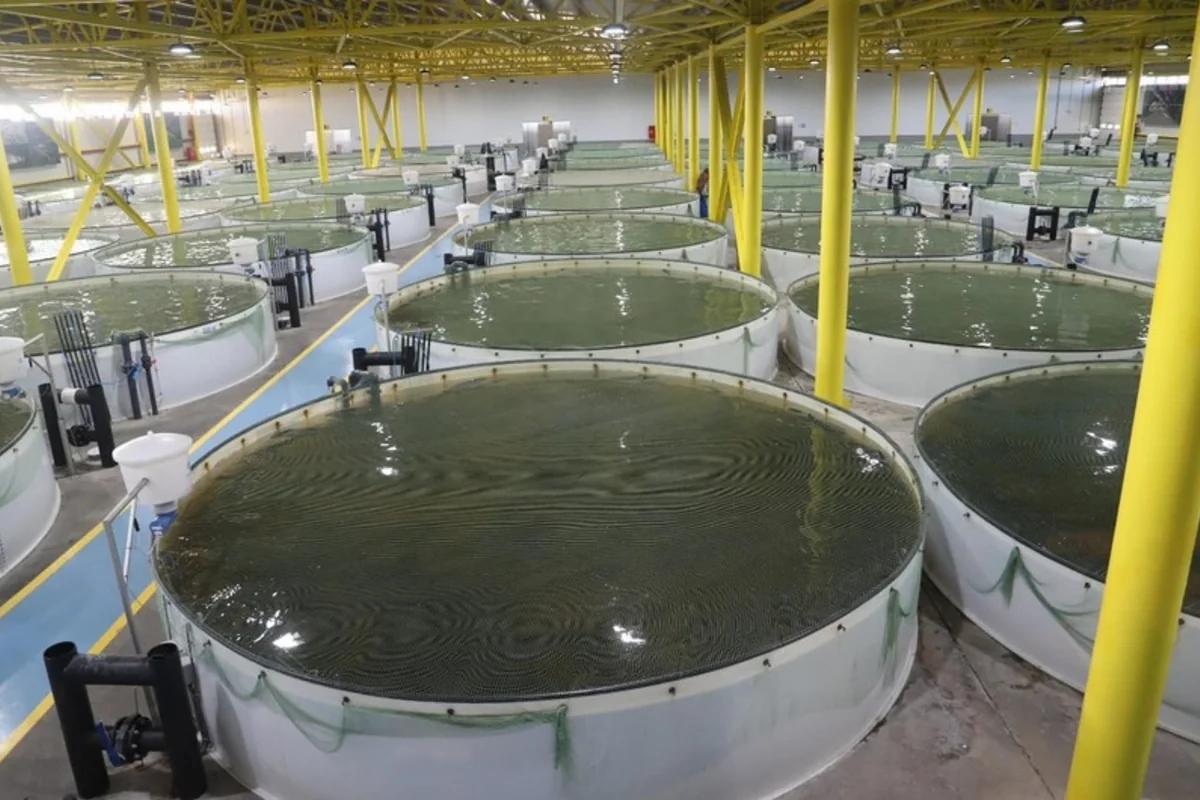
The Food and Agriculture Organization of the United Nations (FAO) recommends that Azerbaijan prepare a five-year national aquaculture development plan based on ecosystem-based principles, reads the FAO technical note "Future pathways for Aquaculture and Fisheries Development in Azerbaijan," Report informs.
According to the FAO, this plan should encompass a number of specialized strategies, including a sturgeon farming development strategy aimed at improving the production and value chain and promoting the brand of Azerbaijani black caviar and sturgeon products; a trout farming development strategy aimed at increasing productivity and reducing production costs to international standards; and a carp farming development strategy aimed at transitioning from established extensive systems to more intensive and water-efficient technologies.
The plan should also include a national reproduction program to ensure scientifically sound restoration of sturgeon and Caspian salmon populations, an aquaculture animal health management system designed to establish effective biosecurity based on FAO best practices, and increased feed production to reduce dependence on imported feed for trout and sturgeon.
FAO reminds that on December 19, 2024, the Presidential Decree "On Additional Measures for the Development of Fisheries and Aquaculture in Azerbaijan" was issued, according to which management functions for the aquaculture and fisheries sectors were transferred from the Ministry of Ecology and Natural Resources to the Ministry of Agriculture.
The structure of fishery supply in Azerbaijan is conditioned by both limitations in commercial fishing and the untapped potential of the aquaculture sector.
While aquaculture offers prospects for a significant increase in production volumes, traditional fisheries are under pressure from environmental and resource factors.
Unleashing this growth potential will require a comprehensive reform program encompassing the modernization of the management system and institutional transformation, the introduction of improved production technologies, the elimination of gaps in the legislative and regulatory framework, the overcoming of the shortage of technical expertise and financial support instruments, as well as the stimulation of low domestic fish consumption and the development of a domestic market, the document notes.
FAO emphasizes that aquaculture offers the most promising avenue for increasing domestic fish production in Azerbaijan.
Key opportunities include sustainable management of bioresources, with a focus on restoring fish stocks, particularly sturgeon; the development of recreational fisheries, as well-managed recreational fishing can generate significant economic benefits through tourism; and the development of cultured fisheries, which involves optimizing stocking programs to increase national fish supplies.
With this in mind, FAO has developed a roadmap structured around three thematic areas: strengthening the institutional environment and governance; strengthening value chains; and developing market opportunities.
The first area, according to FAO, requires legislative reform, including the removal of barriers to land and water resource use, the introduction of priority aquaculture development zones, and the digital transformation of data, including the integration of fish farm records into the Electronic Agricultural Information System to generate reliable statistics.
The second area proposes the development of a five-year national aquaculture development plan.
The third area focuses on stimulating demand, including the inclusion of fish products in national healthy nutrition strategies and the development of refrigerated logistics to expand access to quality products, import substitution through investment in advanced technologies aimed at reducing the cost of domestic fish, and strengthening export potential through the creation of a recognizable national brand and improved market analytics for promotion in international markets.
Author